Shipping breakables safely means choosing a sturdy, well-sized box, wrapping items in protective material, and keeping them from shifting inside the box. Filler material, cardboard dividers and shipping insurance add further protection. Alliance Relocation Services makes custom crates and packs fragile items for moves across the United States and Canada.
What steps help you prepare to ship breakables?
Preparing a shipment of breakables starts with a handful of decisions before you pack the first item. The right choices depend on your situation.
- Choose a sturdy, right-sized box
- Select the appropriate packaging material
- Combine multiple packages into a shipping crate
- Consider shipping insurance for your fragile items
- Decide which filler material to use
Your specific situation determines the answers to these questions. Making decisions based on your situation helps keep your shipment safe.
What are the best tips for shipping breakables?
How do you select the correct box?
Box size and quality decide whether your items arrive intact. Packing items too tightly causes contact between pieces, while too much empty space allows unwanted movement inside the box.
Leave 1 to 2 inches of space around items on all sides, including the top and bottom. That space leaves room for the right amount of packaging material.
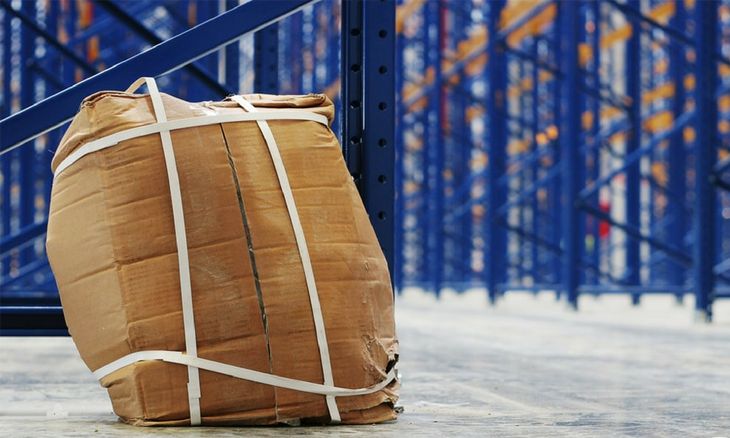
Quality matters too. Moving costs add up quickly, so many people look for low-cost box options, including boxes picked up at no charge. These usually work fine, but check their condition first, since repeated use can weaken cardboard well below its original strength.
How do you wrap an item correctly?
A few layers of bubble wrap can help protect your shipment, but wrapping takes some skill. Keep a few things in mind as you wrap a fragile item:
- If the item is hollow with a gap in the middle, fill the void with tissue paper or crumpled newspaper.
- Cover the item with a layer of tissue paper or newspaper before adding foam or bubble wrap, then secure the paper with packing tape.
- Wrap one or two layers of bubble wrap around the item and secure it with packing tape.
- Check for pre-sized packing materials. Dishes and glasses, for example, often fit standard foam pouches. These cost a little more, but the cost is minor compared to replacing a broken item.
See How to Pack, Ship Large & Small Items.
Why does wrapping an item too tightly increase the risk of breakage?
Wrapping bubble wrap or cling wrap too tightly puts extra pressure on a fragile item. That pressure raises the risk of breakage for items like antiques or glassware.
When should you use cardboard dividers?
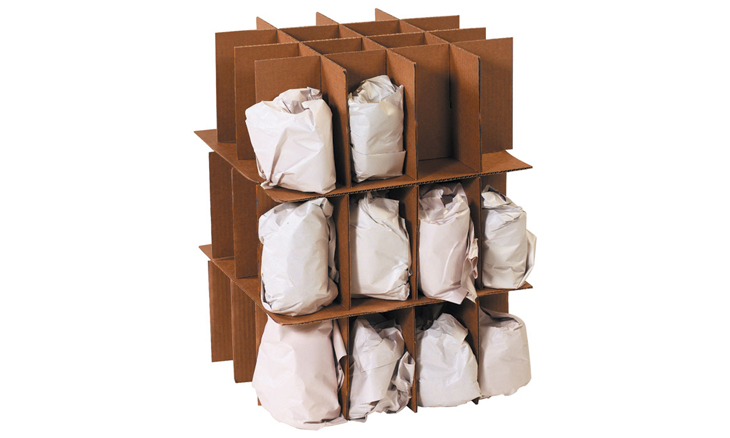
Use cardboard dividers when packing multiple items in one box. Dividers keep items from touching one another directly, though you still need to wrap and protect items individually.
What packing material should you use to fill remaining space?
Even individually wrapped items need filler material around them. Packing peanuts, foam board, newspaper and towels are a few common choices.
How do you pack a box in a balanced way?
Before you tape the box closed, check that the weight rests evenly across the inside. Boxes that are unevenly balanced tend to tip over and damage the contents.
Pick up the box and move it side to side, then set it on a flat surface and check again. If the box shifts too much in any direction, reorganize the items inside or move them to a different box.
When should you use a professional shipping crate?
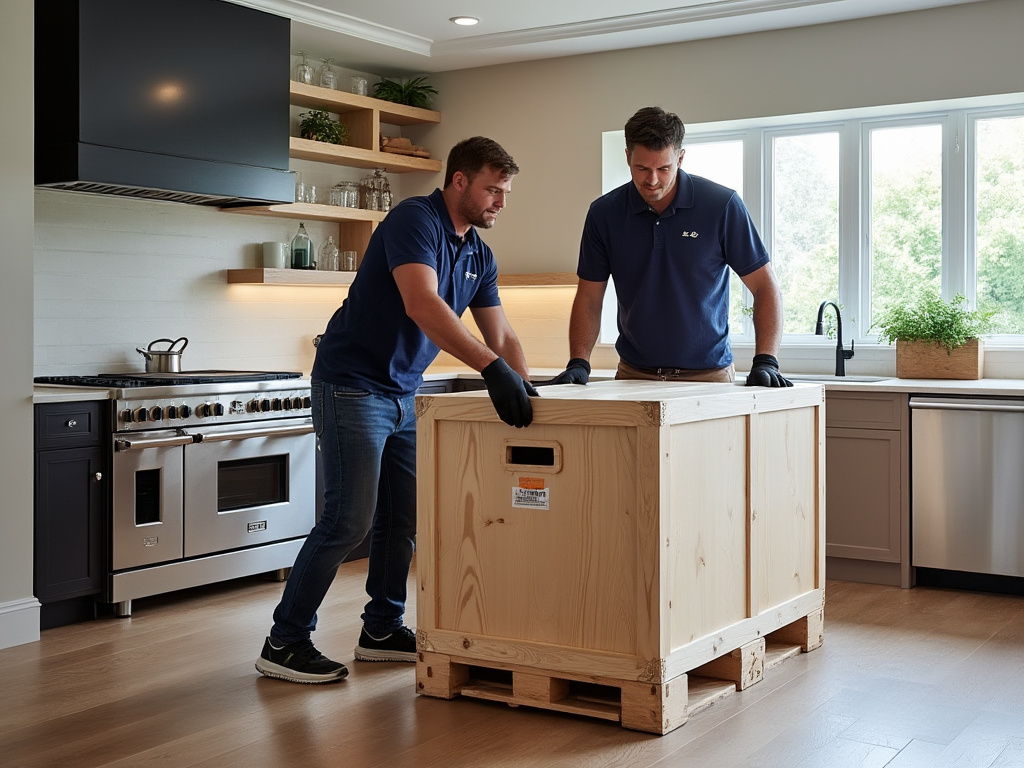
A shipping crate offers real benefits for certain shipments, and having crating professionals wrap your items can add a layer of protection. The cost runs higher, but weigh it against the cost of replacing a damaged item.
Shipping crates offer three main advantages:
- Protection. Placing secured, fragile items into a crate lowers the chance of damage. Our custom crating and uncrating service builds a crate around the piece rather than fitting the piece into a standard box.
- Potential cost savings. Combining multiple shipments into one crate typically costs less than shipping several boxes separately. Alliance Relocation Services provides one price that covers both the crate and the shipping. See How Specialty Crating Differs from Conventional Relocation Services.
- Handleability. Consolidating a shipment into a crate on a pallet simplifies handling for both you and the recipient. See Make Your International Shipping More Efficient.
Liability and handleability both factor into the freight class of a shipment, and freight class determines the shipping rate.
How do you label fragile items for shipping?
List items as you wrap and pack them, then mark the box or crate as fragile once packing is done. Label multiple sides of the shipment rather than just one. A clear fragile label may also give you more recourse with the shipping company if an item arrives damaged.
Should you insure valuable breakables before shipping?
Accidents happen even with careful packing, so Alliance Relocation Services recommends considering shipping insurance for valuable items. Weigh the cost of the insurance against the cost of repairing or replacing the item if it breaks.
What items commonly need extra care when shipping?
The types of fragile items people ship vary widely. Breakables commonly shipped with Alliance Relocation Services include:
- Antiques
- Artwork
- China
- Electronics
- Porcelain
- Crystal
- Home medical equipment
- Statues
Request a quote through our quote form to talk through packing and crating options for items like these. You can also call our team at 877-242-0409 for a consultation.
Frequently Asked Questions
How fast can you get a quote for shipping breakables?
Most quotes from Alliance Relocation Services come back within minutes. Larger or unusual jobs can take up to one business day.
Can multiple fragile shipments be combined into one crate?
Yes. Combining several packages into one shipping crate often lowers overall shipping cost compared to sending boxes separately. Alliance Relocation Services provides one price that covers the crate and the shipping together.
Is shipping insurance worth considering for valuable breakables?
Shipping insurance is meant to offset the cost of repairing or replacing an item that breaks in transit, even when it was packed carefully. Weighing the insurance cost against the item’s replacement value helps you decide if it makes sense for a given shipment.
Why mark a box or crate as fragile on multiple sides?
A clear fragile label on multiple sides of the box or crate can support a claim with the shipping company if damage occurs.