Crating medical equipment means building custom wood crates, controlling temperature and humidity, and identifying hazardous materials before shipment. CT scanners, MRI machines, lasers, and surgical devices need tailored bracing and padding to survive transport undamaged. Alliance Relocation Services offers crating and packaging services for the healthcare industry across the United States and Canada.
What Medical Equipment Needs Special Crating?
Healthcare organizations ship a wide range of items that call for custom crating. This equipment is typically heavy, oversized, and fragile, with parts such as mirrors, lenses, or gauges that can break under pressure.
- CT scanners
- MRI machines
- Lasers
- Surgical devices
- Lab equipment
- X-ray machines
- Computers and peripherals
- Hospital beds and treatment tables
- Medications
Medications and other supplies also have strict requirements for crating and shipping. Alliance Relocation Services has compiled the steps below to help your organization prepare for a medical equipment relocation. Following them helps your shipment arrive intact, on time, and undamaged.
How Do You Prepare Medical Equipment for Shipping?
Preparing medical equipment for shipping takes planning, the right packaging, and attention to environmental and legal requirements. The steps below walk through what to address before a move.
How Far in Advance Should You Plan a Medical Equipment Move?
Plan your medical equipment relocation as far ahead as possible. Sometimes that is not possible, such as when FEMA needed shipments on short notice during the COVID-19 pandemic. In situations like that, working with professionals such as Alliance Relocation Services gives you the experience and skills a rushed timeline demands.
Why Does Medical Equipment Need Custom Packaging?
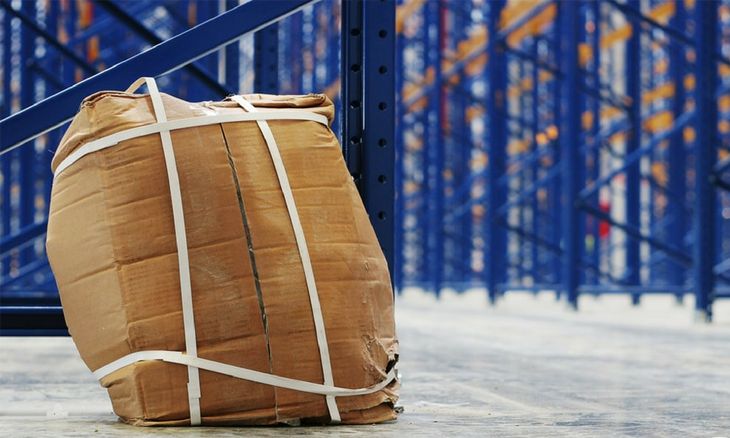
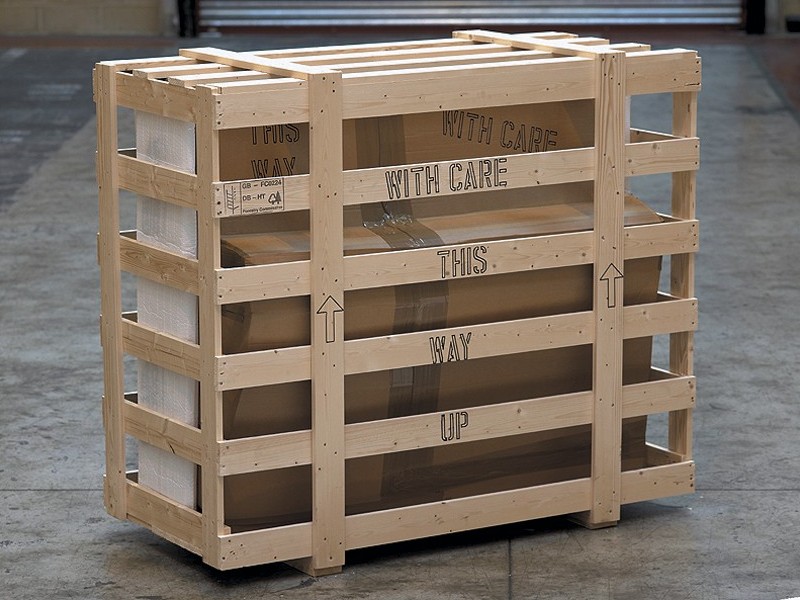
A new CT scanner can cost millions of dollars, so damage during transit risks major expense and disrupts patient care. Crates and packaging should match a machine’s specific requirements rather than relying on a pallet with loose packing material around it. Custom blocking and bracing should be designed by professional packaging engineers. See custom crating and uncrating.
What Environmental Conditions Affect Medical Equipment Shipping?
Sensitive medical assets shipped or stored in humid environments need protection from moisture damage. Medicines and other supplies often need a constant, cool temperature, which calls for refrigerated transportation and storage.
How Do You Handle Hazardous Materials in Medical Equipment?
Identify any toxic, radioactive, explosive, or otherwise dangerous materials in your medical equipment for your packing and shipping provider. These items can still be packed and shipped, but they need special handling with set precautions for safe transportation.
When Should You Disassemble Medical Equipment Before Shipping?
Some fragile internal components of valuable medical equipment may need disassembly before shipping. This takes extra effort but can be worth it. If you disassemble equipment, the empty space inside needs protection during shipment to prevent jostling or parts shifting out of place.
Do You Need Insurance for Medical Equipment Shipments?
Review your current insurance policies and determine whether you need added coverage for damage during packing and transport.
What Rules Apply to Overseas Medical Equipment Shipments?
Overseas shipments bring extra regulations, including ISPM 15 heat-treated and stamped crates and customs paperwork. This makes working with a professional crating and shipping company even more important. Ocean freighter shipments may also need vacuum moisture removal, vapor-barrier bagging, and desiccants. See How Specialty Crating Differs from Conventional Relocation Services.
How Much Time Should You Plan for Equipment Installation?
Factor in enough time for reassembly and installation, especially if you disassembled any machines before shipping.
Can Medical Equipment Crates Be Reused?
For devices and supplies you ship regularly, a reusable custom crate can protect your items and save money over time. Crates can include hardware such as hinges and locking hasps, so they close securely and open without dismantling the crate. You can also have the crate stenciled with your logo and organization name. See The Basics on Industrial Crates.
Why Is Professional Crating Necessary for Shipping Medical Equipment?
No healthcare provider wants expensive medical assets lost or damaged during transportation. For hospitals, medical equipment manufacturers, and other organizations, the stakes are high because patients rely on these machines and devices for accurate diagnosis and treatment. Delays or damage have a negative impact on patient care.
Hiring an experienced crating company helps your equipment arrive in the condition it left in. The first step toward packing and shipping valuable medical equipment, medications, supplies, or smaller devices is to contact Alliance Relocation Services. Request a quote to learn more about crating and packaging services for the healthcare industry.
Frequently Asked Questions
Who should crate medical equipment for shipping?
A professional crating company with experience in medical equipment, such as Alliance Relocation Services, should handle the job.
What happens if medical equipment is shipped without a custom crate?
Shipping medical equipment without a custom crate raises the risk of damage from shifting or moisture. A pallet with loose packing material does not offer the blocking and bracing that fragile, high-value machines need.
Can medications be shipped with the same crating methods as equipment?
No, medications and supplies have exacting requirements for crating and shipping that differ from machines like CT scanners or MRI units. Many need refrigerated transportation and storage to stay at a constant, cool temperature.
Does overseas shipping change how medical equipment is crated?
Yes. Overseas shipments require ISPM 15 heat-treated and stamped crates, customs paperwork, and extra steps like vapor-barrier bagging and desiccants for ocean freight. These requirements make professional crating experience more important for international moves.