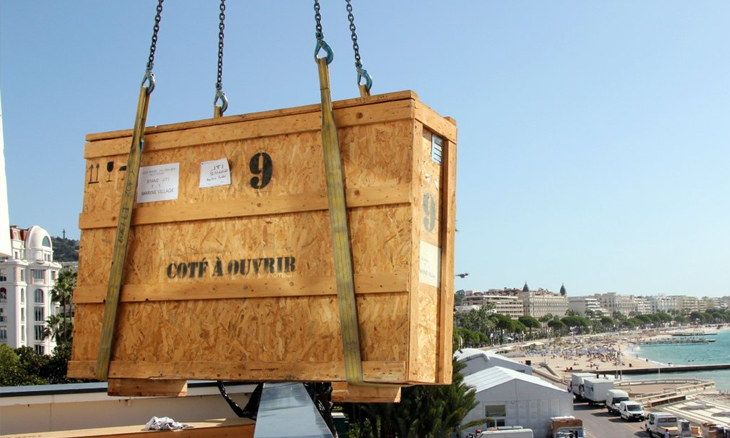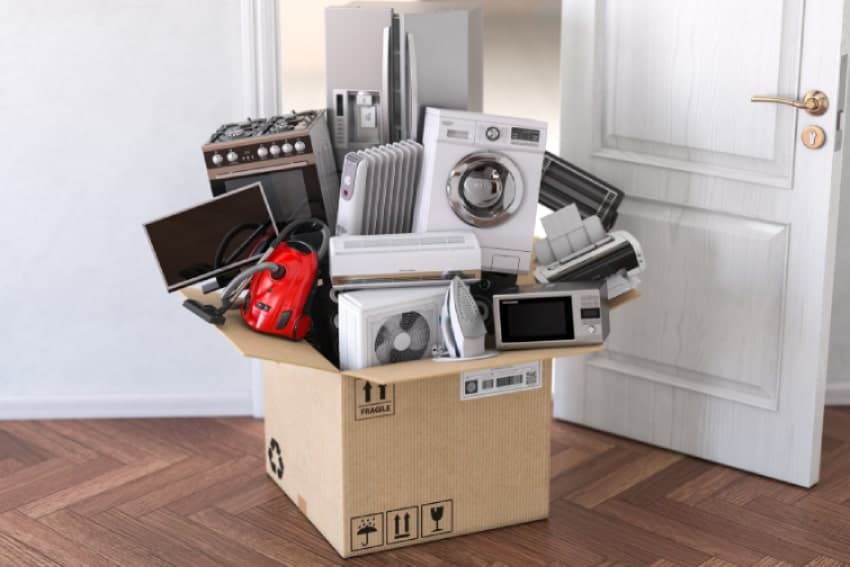

Custom crating for valuable items means making a wood crate sized for the piece, then padding and bracing it to stop movement in transit. Family heirlooms, fine art and electronics often need this protection when standard boxes aren’t enough. This guide explains why custom crating works, how the process unfolds and what to expect from Alliance Relocation Services.
Why Choose Custom Crating for Valuable Items?
Custom crating gives fragile, valuable or oddly shaped items a protective shell matched to their exact size. Standard boxes often leave room for movement inside, which raises the risk of damage in transit.
Tailored protection: A custom crate is made to match the exact dimensions and weight of one item, so it fits snugly inside. This snug fit stops the item from shifting during the move, unlike a standard box.
Durable materials: Custom crates use strong wood and reinforced metal to form a solid barrier against impacts, pressure and weather swings. This matters most for international moves, where humidity and temperature shift along the route.
Added security: Extremely valuable or fragile pieces can get extra features such as tamper-proof seals, locks and shock-absorbing padding. These additions add another layer of protection for the contents.
Alliance Relocation Services offers custom crating and uncrating for art, mirrors, glass and stone tops, antiques and chandeliers.
How Does Custom Crating Work?
Custom crating happens in three main steps: assessment and measurement, design and construction, then packing and cushioning.
- Assessment and measurement: A technician measures the item’s dimensions and weight and notes details such as fragility or historical value.
- Design and construction: The crate design is drafted to match these measurements, including material choices and protective features. Skilled carpenters then construct the crate.
- Packing and cushioning: The item is packed inside with foam inserts shaped to its form, which stops movement and absorbs shocks. The crate is sealed once the item is snug.
Case Study: Protecting a Grand Piano
Consider a grand piano, a delicate and valuable item at risk of damage if handled incorrectly. Standard moving practices may not offer enough protection, especially on long moves with multiple handling points.
For a grand piano, a custom crate would be constructed to fit its size and shape. The crate is lined with shock-absorbent material and framed in sturdy wood. This level of care keeps the piano stable and secure throughout the trip, arriving at its new home without damage.
Is Custom Crating Worth the Investment?
Custom crating is a worthwhile investment for anyone protecting items with financial or sentimental value. It offers protection against the risks of relocation for cherished possessions.
At Alliance Relocation Services, insured, background-checked technicians handle custom crating designed around the item being moved, across the United States and Canada.
For more on when crating makes sense, see Custom Crating 101: When It’s Worth It. For more, see Not Everything Belongs in a Cardboard Box: When Custom Crating Is the Best Choice.
Request a quote to find out how custom crating can protect your valuable items during your next move.
Moving brings challenges, but careful preparation keeps valuable items safe during the process.
Frequently Asked Questions
What items need custom crating?
Custom crating suits items that are fragile, valuable, oddly shaped or irreplaceable, including art, pianos and electronics. A custom crate protects these pieces far better than a standard box.
How long does custom crating take to arrange?
Alliance Relocation Services assesses and measures the item, drafts a crate design, then has skilled carpenters construct the crate. The item is packed, cushioned and sealed before transport.
How does custom crating protect a grand piano?
A custom crate would be matched to the piano’s size and shape, then lined with shock-absorbent material and framed in sturdy wood.
Can custom crates include extra security features?
Yes. Crates for extremely valuable or fragile pieces can include tamper-proof seals, locks and shock-absorbing padding for added protection.