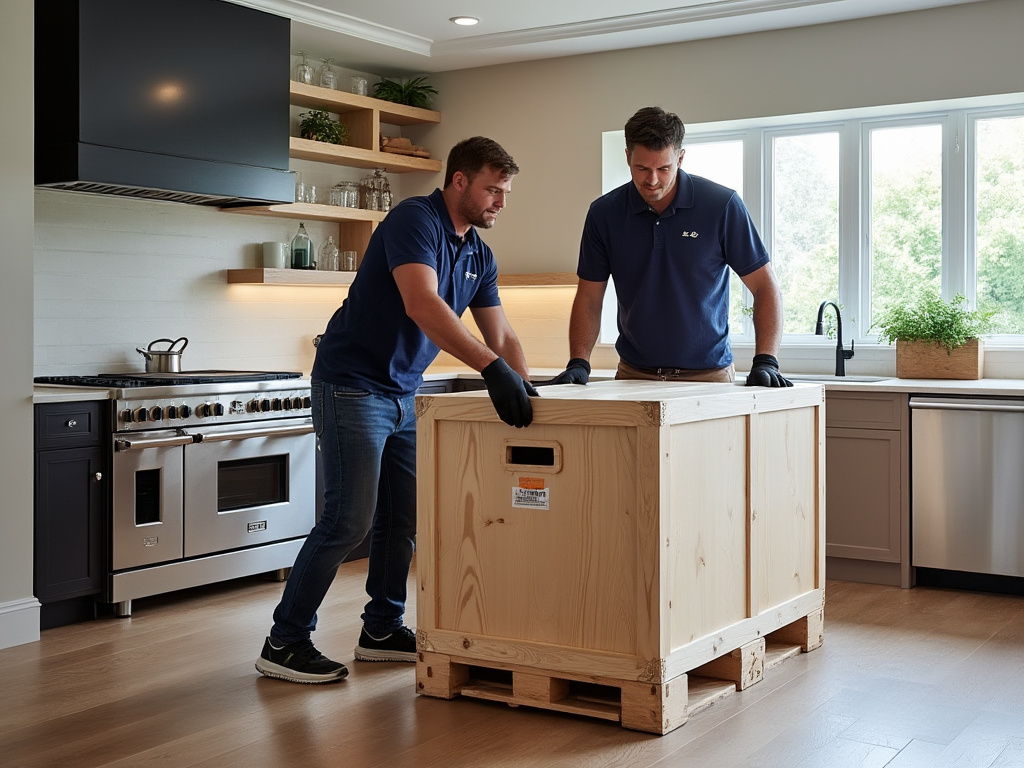
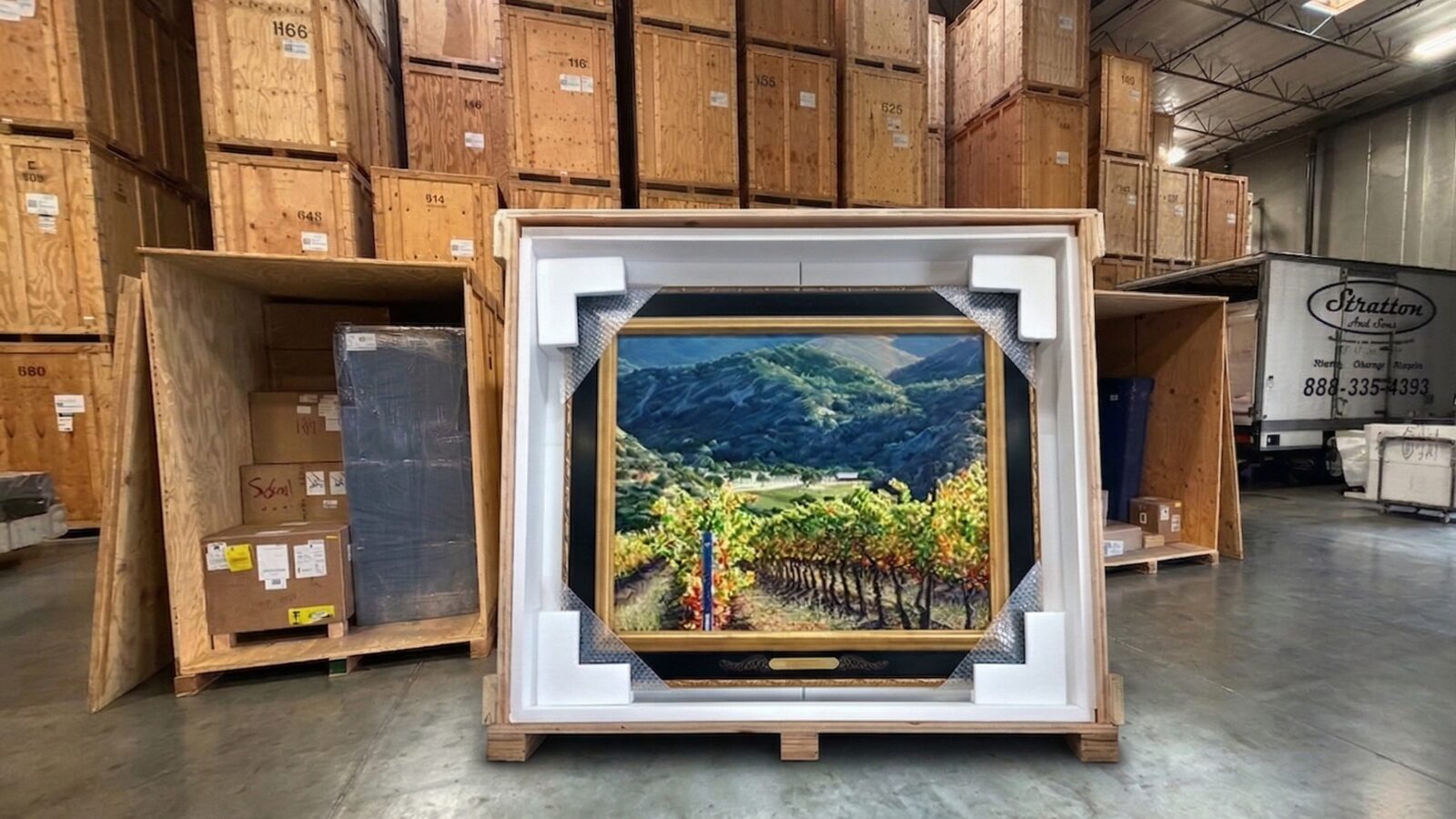
Use custom crating when an item is unusually large, fragile, irreplaceable, oddly shaped or highly valuable, think artwork, antiques, mirrors, electronics or a grandfather clock. A crate is a wood case made to fit one piece exactly, with padding and bracing that stop it from shifting during a move. Standard boxes can’t offer that level of protection.
Boxes remain the foundation of most successful moves, but not everything in a home or office travels safely inside one. Priceless heirlooms, large artwork, delicate electronics and an antique grandfather clock deserve more than bubble wrap and packing paper, which is where custom crating becomes part of a professional move. Homeowners, collectors, businesses and museums moving valuable or fragile belongings all benefit from the stability a crate provides.
Why Do Some Items Need More Than Standard Packing?
Professional movers use quality moving boxes for most household belongings. Dishes, books, clothing, kitchenware and many decorative items pack safely with proven techniques and quality supplies.
However, some possessions present unique challenges:
- Unusually large
- Extremely fragile
- Irreplaceable
- Awkwardly shaped
- Exceptionally valuable
These traits raise the risk of damage if an item shifts during loading, unloading or transportation. A custom crate limits movement while providing rigid protection from impacts, vibration and compression that ordinary boxes cannot withstand.
What Exactly Is Custom Crating?
Unlike a prefabricated shipping box, a custom crate is made for one object. Professional movers first evaluate an item’s size, weight, shape and fragility, then assemble a wood crate designed to support and protect it through all stages of the move.
The interior often includes specialized padding, foam inserts, blocking and bracing to prevent movement while cushioning the item against vibration and shock. The result is a protective enclosure that keeps the contents secure from pickup through final delivery.
Rather than asking “Will this fit inside a box?” the real question becomes “What is the safest way to transport this item?”
Does Artwork Need Specialized Protection?
Original paintings, framed prints, sculptures and mixed-media artwork often carry significant financial and sentimental value. Artwork is particularly vulnerable during a move because glass can crack, frames can warp and canvases may puncture if pressure is applied incorrectly.
Professional crating protects artwork by preventing direct contact with the crate walls while supporting the piece evenly during transportation. This matters most for:
- Oil paintings
- Large framed artwork
- Limited edition prints
- Sculptures
- Museum-quality pieces
- Family heirlooms
Whether the artwork travels across town or across the country, custom crating reduces the risk of damage. For a closer look at protecting valuables like these, see Custom Crating Solutions for Your Valuable Items: Ensuring the Safety of Your Treasures.
Do Mirrors and Glass Require Extra Care?
Large mirrors present one of the biggest challenges during any move. Although professional movers use specialized cartons for many mirrors, oversized or unusually shaped pieces often benefit from custom crating.
Glass tabletops, decorative mirrors, stained glass panels and custom architectural glass are all susceptible to stress during transportation. A rigid wood crate helps distribute pressure evenly while preventing flex that could cause cracks or breakage. For one-of-a-kind pieces, this extra protection is well worth the investment.
Why Isn’t Antique Furniture Easily Replaced?
Unlike mass-produced furniture, antiques often carry historical significance and irreplaceable craftsmanship.
- Wood joints may have weakened over decades.
- Hand-carved details can chip.
- Delicate veneers may separate if subjected to excessive movement.
- Many antiques also feature original finishes that need careful handling.
Custom crating provides a stable environment that limits shifting while protecting vulnerable surfaces throughout the move. For valuable family heirlooms, preserving condition is often just as important as arriving at the destination.
Why Do Grandfather Clocks Need Expert Handling?
Grandfather clocks are among the most complicated household items to move. These precision instruments contain delicate internal mechanisms, pendulums, weights, glass panels and finely crafted cabinetry.
Proper preparation typically involves carefully removing and securing internal components before transport. A custom crate helps stabilize the clock cabinet while protecting it from impacts and vibration.
Moving a grandfather clock without proper preparation can result in expensive repairs that may cost far more than professional crating.
Are Electronics More Fragile Than They Appear?
Large televisions, commercial equipment, medical devices, audio systems and specialized electronics often need more protection than standard packaging provides. Many electronics originally arrived in factory cartons, but those boxes are frequently discarded after installation.
Custom crating recreates, or often improves on, that level of protection by supporting the equipment with precision-cut cushioning materials designed specifically for the move. This approach is especially valuable for businesses relocating expensive equipment that must arrive ready for installation.
Do Specialty Collections Need Individual Attention?
Collectors understand that value isn’t always measured by size.
- Wine collections
- Rare musical instruments
- Sports memorabilia
- Historic documents
- Fine china
- Crystal collections
- Model collections
Many specialty collections need customized packing solutions because items present different handling requirements. Professional movers evaluate a collection individually to determine the safest transportation method rather than relying on one-size-fits-all packing techniques.
Do Commercial Moves Require Custom Crating Too?
Custom crating isn’t limited to residential moves. Businesses frequently relocate equipment that cannot simply be wrapped in moving blankets, including:
- Laboratory equipment
- Medical devices
- Manufacturing components
- Server equipment
- Trade show displays
- Museum exhibits
- Retail displays
- Industrial electronics
These items often represent substantial investments and may be important to business operations. Protecting them properly helps limit downtime and reduces the risk of costly replacement or repairs. For a closer look at when businesses and families alike should opt for this level of care, see White-Glove Crating: When Bubble Wrap Isn’t Enough.
Is Custom Crating Worth the Investment?
Some people hesitate at the words “custom crate,” assuming it’s an unnecessary expense. In reality, custom crating works like insurance for valuable possessions.
Consider the potential costs tied to damage. Repairing fine artwork can cost thousands of dollars. Replacing an antique may be impossible. A broken sculpture may carry sentimental value that no insurance settlement can restore.
Compared with those possibilities, custom crating often represents a small portion of the overall moving budget. For irreplaceable belongings, the value includes financial protection and the confidence that comes with proper preparation. If you’re still weighing the decision, Custom Crating 101: When It’s Worth It walks through the question in more detail.
What Makes Experience the Difference in Crating?
Assembling an effective shipping crate takes more than woodworking skills. Professional movers understand how items respond to vibration, weight distribution, loading pressures and transportation conditions.
They know where additional support is needed, and they understand how different materials behave during long-distance moves. Most importantly, they recognize that no two specialty items are exactly alike. That experience lets them create customized solutions that maximize protection while maintaining efficient transportation.
When Should You Trust Your Most Valuable Possessions to Professionals?
Most moves include ordinary household belongings that pack efficiently using standard boxes and proven techniques. But some possessions deserve extra attention.
When you’re moving priceless artwork, antiques, heirlooms, commercial equipment or delicate specialty items, custom crating provides protection that ordinary packing cannot match. Choosing professional custom crating means choosing confidence, knowing that valuable belongings have been evaluated individually, protected appropriately and prepared to withstand all stages of the moving process.
At Alliance Relocation Services, protecting possessions means preserving the items that matter most while moving them from one location to another. Whether a move stays across town or crosses the United States and Canada, the right packing solution starts with recognizing that not everything belongs in a cardboard box. Alliance offers custom crating and uncrating for art, mirrors, antiques, chandeliers and other items that need this level of protection.
If you’re planning a move with pieces like these, you can request a quote to find out what custom crating would involve.
Frequently Asked Questions
Does custom crating cost more than standard packing?
Yes, but it typically represents only a small portion of the overall moving budget compared with the cost of repairing or replacing a damaged item.
Does custom crating only help on long-distance moves?
No. Whether an item travels across town or across the country, a custom crate reduces the risk of damage in transit.
What materials go inside a custom crate?
A custom crate’s interior typically includes specialized padding, foam inserts, blocking and bracing designed to prevent movement and cushion the item against vibration and shock.
Is custom crating only for residential moves?
No. Commercial moves also rely on custom crating for equipment such as laboratory devices, medical devices, server equipment and trade show displays.