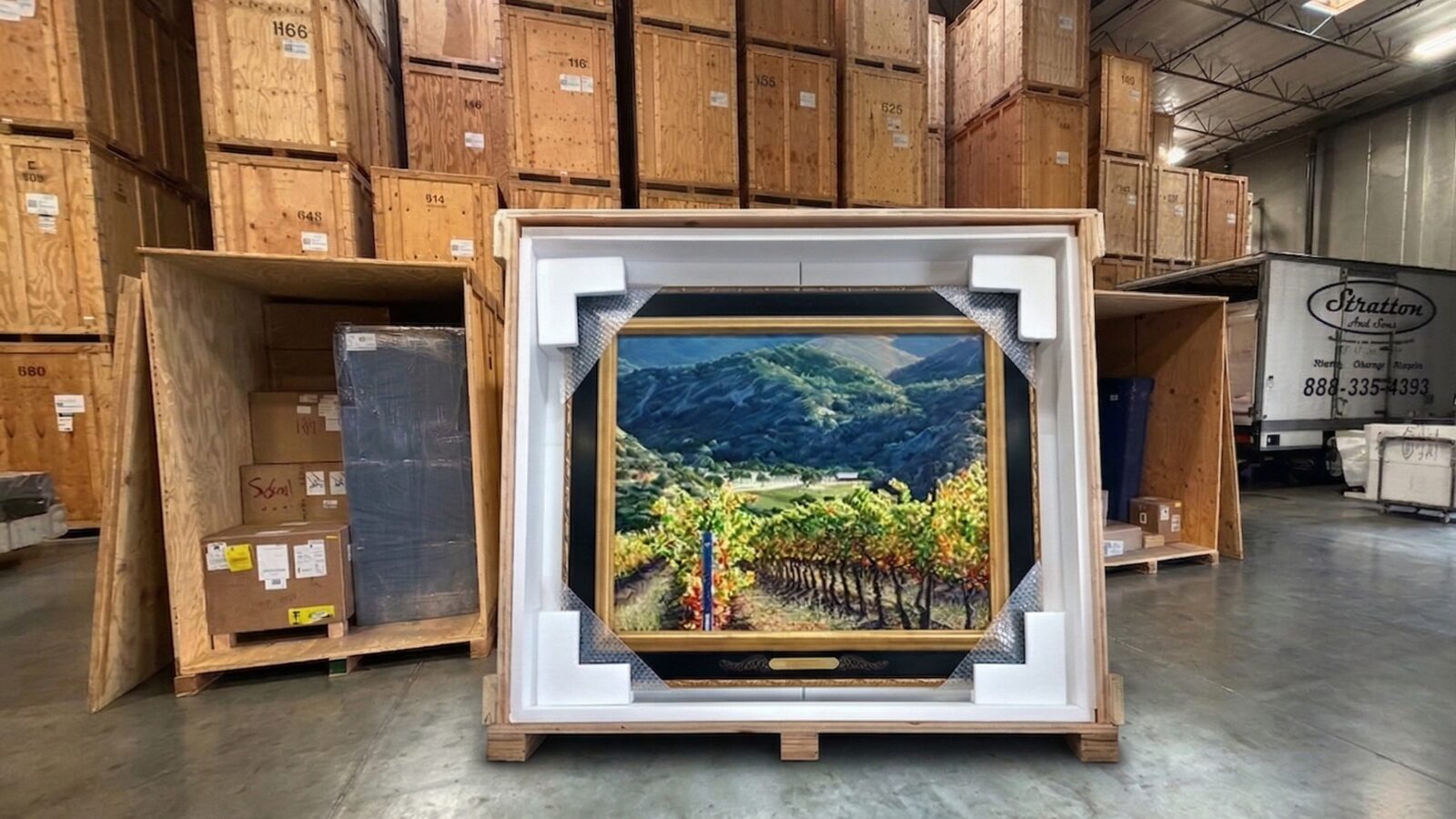
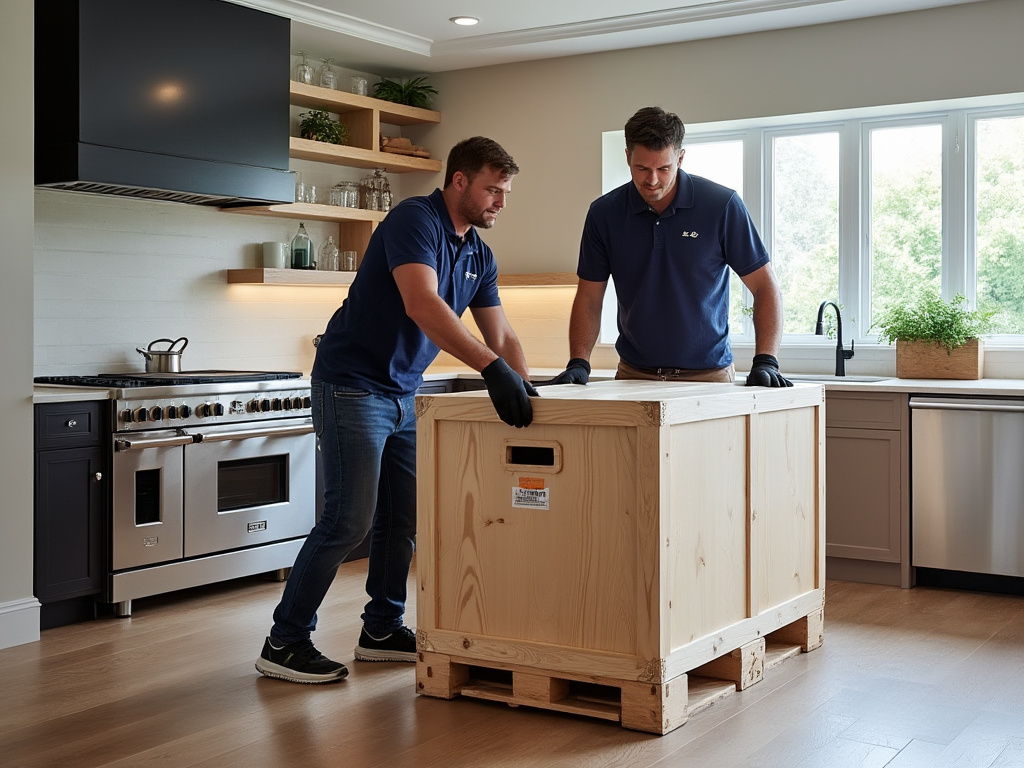
White-glove crating is a packing service that creates a custom wood crate around a single high-value or fragile item. A technician measures the piece, constructs a crate to its exact shape, then adds foam and bracing so the piece cannot shift in transit.
What Is White-Glove Crating?
White-glove crating is a specialized packing service for items that need maximum protection. Instead of relying on standard boxes and generic materials, a technician assesses the item and secures it within a custom crate.
This service focuses on precision rather than overpacking.
A crate is designed to:
- Fit the exact dimensions of the item
- Prevent movement during handling and transport
- Provide structural support against external pressure
- Shield against environmental factors like temperature and humidity
Crating turns a vulnerable item into a protected asset.
Alliance Relocation Services offers custom crating and uncrating for art, mirrors, antiques and other pieces across the United States and Canada.
Why Isn’t Bubble Wrap Enough?
Bubble wrap works well for cushioning and surface protection. On its own, it does not solve a bigger problem: movement and structural stress.
DIY protection often falls short in a few ways:
- Items can still shift inside a box
- Weight from stacking can cause pressure damage
- Irregular shapes don’t fit standard containers well
- Fragile surfaces remain exposed to flex and vibration
Traditional packing materials were not designed for delicate or high-value items.
Crating creates a controlled environment around the object. This limits movement and absorbs impact before it reaches the item itself.
What Items Should Be Crated?
Some categories of items benefit significantly from crating, while routine household goods rarely need it.
Common candidates include:
- Artwork and framed pieces: paintings, prints and glass-front frames are prone to impact and pressure damage
- Antiques and heirlooms: items with financial and sentimental value deserve extra protection
- Mirrors and large glass surfaces: these are vulnerable to cracking and shattering
- Wine collections: temperature sensitivity and vibration make proper containment important
- Electronics and specialty equipment: internal components can be damaged even without visible external impact
If replacing an item would be difficult, expensive or impossible, it is a strong candidate for crating.
For more guidance on specific items, see Not Everything Belongs in a Cardboard Box: When Custom Crating Is the Best Choice.
What Makes a Custom Crate Different?
The biggest difference between standard packing and white-glove crating is customization. A crate made for one item offers:
- No wasted space that allows shifting
- Reinforced support where the item is most vulnerable
- Interior cushioning tailored to shape and material
- Secure closures that maintain integrity during handling
A properly made crate does more than hold an item. It stabilizes the piece, and that stability helps prevent damage.
For a closer look at how tailored crates protect valuables, see Custom Crating Solutions for Your Valuable Items: Ensuring the Safety of Your Treasures.
Does Crating Only Matter for Long-Distance Moves?
A common misconception is that crating is necessary only for long-distance or international moves. Crating is just as valuable for local transitions or temporary storage.
Most damage does not happen over miles. It happens during:
- Handling and loading
- Placement and stacking
- Short-distance transport
- Storage in less-than-ideal conditions
Crating protects against these factors. It creates a consistent, secure environment regardless of distance or storage time.
Is Crating Worth the Cost?
It’s natural to hesitate before choosing a specialized service like crating, since it costs more than standard packing. The better question is what a damaged or lost item would cost instead.
Weigh these factors:
- The value of the item
- The likelihood of damage with standard packing
- The difficulty, or impossibility, of replacing the item
Viewed this way, crating often becomes the more cost-effective choice for high-value items. Custom Crating 101: When It’s Worth It walks through this decision in more detail.
What Does White-Glove Service Include?
White-glove service covers more than materials; it reflects the technician’s expertise. Professional crating involves:
- Assessing the item individually
- Selecting materials and structure suited to the piece
- Making a crate that matches the item’s specific needs
- Handling the process with care from start to finish
This tailored approach aims to eliminate risk, separating basic packing from true protection.
When Should You Consider Crating?
Some situations call for crating more clearly than others.
Consider white-glove crating when:
- The item is fragile, valuable or irreplaceable
- It has unusual dimensions or materials
- You want complete confidence during packing and handling
- You’re storing items for an extended period
Even when you’re unsure, it’s worth evaluating the item’s risk. Many people underestimate how vulnerable certain items are until damage occurs.
To check pricing and availability for your move, you can request a quote.
The Bottom Line: Protect What Can’t Be Replaced
Packing involves more than moving items from one place to another. It involves preserving what you have collected and cared for over time.
Bubble wrap and standard boxes serve a purpose, but they have limits. White-glove crating extends beyond those limits, offering structure, stability and protection that standard packing cannot match.
If something in your home truly matters, it deserves more than a basic box.
Frequently Asked Questions
What Is the Difference Between White-Glove Crating and Standard Packing?
White-glove crating creates a custom crate matched to one item’s exact dimensions, while standard packing relies on generic boxes and padding.
Which Items Benefit Most From Crating?
Artwork, antiques, mirrors, wine collections and electronics benefit most from crating, since replacing them would be difficult, expensive or impossible.
Does Crating Help With Local Moves and Storage?
Yes. Most damage happens during handling, loading, stacking or storage rather than long-distance transport, so crating helps in these situations too.
Is Crating Worth the Added Cost?
Crating often costs less than repairing or replacing a damaged high-value item, which makes it a cost-effective choice for valuable possessions.