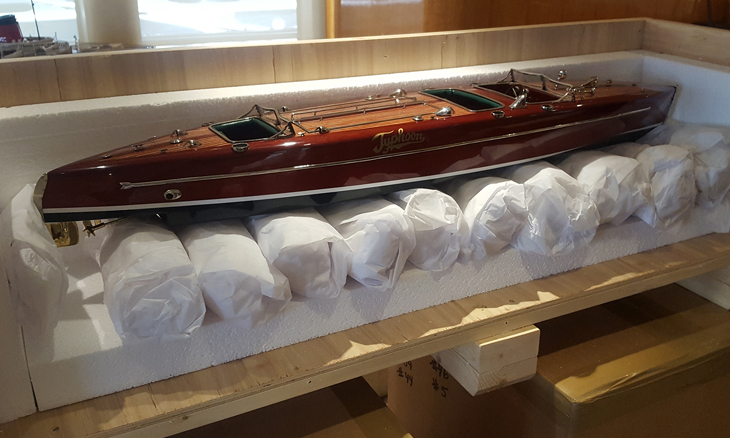
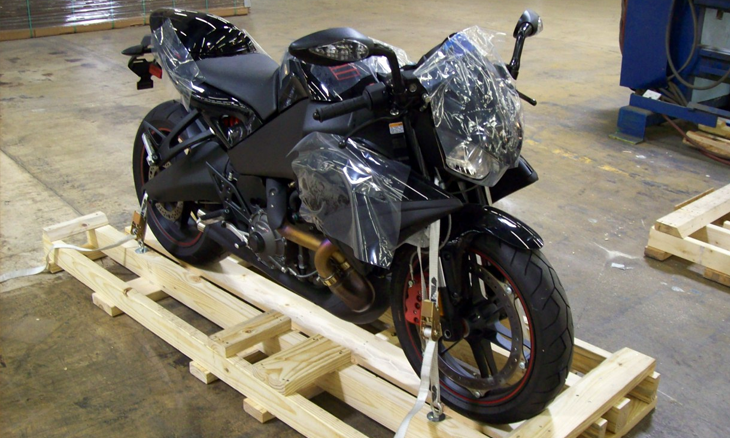
Specialty crating differs from conventional relocation services in how providers protect fragile, valuable, oversized, or hazardous items. A specialty crating provider uses trained packaging engineers, custom bracing, and crate designs matched to the piece being shipped. The provider also brings experience with international shipping rules and hazmat regulations. Conventional shipping companies may lack this depth of preparation.
Comparing prices alone will not tell you which packing service provider can handle valuable or difficult shipments. Understanding the differences below helps you decide whether a tailored packaging solution fits your assets.
Why does specialty crating protect fragile and high-value items better?
A specialty crating and packaging provider evaluates your items before choosing bracing, crating, and packaging methods. This process goes far beyond placing an item inside a cardboard box.
- Skilled packaging engineers assess the item and determine how it should be prepared for transportation.
- Custom bracing and blocking hold the piece in place during transit.
- Alliance Relocation Services provides custom crating and uncrating.
How does specialty crating handle in-transit environmental conditions?
Vibration and shock are not the only forces that matter during shipment. Humidity and other environmental conditions can also affect fragile items.
- Items shipped by ocean transport can suffer damage from humid conditions.
- A vapor-barrier bag with desiccant materials helps control moisture inside the crate.
- A specialized vacuum system removes moisture.
- Conventional shipping companies may skip these steps, which can lead to corrosion damage inside and outside the item.
What international shipping laws apply to specialty crating?
Most shipping companies know how to route a shipment to an international destination, but fewer understand the laws that govern it. Wooden crates used for international shipping fall under specific rules.
- Wood used in crates must meet ISPM 15 treatment standards to limit the spread of disease and pests.
- Customs officials can destroy shipments that fail to meet these standards.
- Noncompliant shipments can face significant delays in customs.
Does specialty crating cover hazardous materials shipping?
Yes. Many shipping companies decline to handle hazmat items, but specialty crating and packaging providers have the experience to pack and move them safely. These providers follow ICAO, IATA, IMDG, and 49 CFR regulations for hazardous materials. See Crating Medical Equipment.
How does specialty crating improve shipping logistics?
An experienced specialty crating and packaging company maintains a vetted global network of alliances and partners. This network provides insight into how to prepare goods for shipping from origin to final destination.
- A strong logistics network saves money and time on complex shipments.
- Established partnerships help prevent delays and obstacles along the route.
Can specialty crating offer long-term savings?
A specialty crating and packaging company looks beyond a single project. These providers often suggest ways to save money on future shipments, such as reusable crates or hardshell cases. See Shipping & Cargo Insurance.
How do you get started with specialty crating?
Alliance Relocation Services provides specialty crating and packaging services across the United States and Canada. Alliance works alongside moving companies, handling the crating and packaging work at origin and destination while the mover handles the truck.
Contact Alliance Relocation Services about the items you need to ship and where they are headed. Alliance can talk through the details and estimate the cost for your shipment.
Request a quote or call 877-242-0409 for help preparing items for a residential or commercial shipment.
Frequently Asked Questions
What is ISPM 15, and why does it matter for international shipments?
ISPM 15 is a regulation requiring wood used in shipping crates to be treated against disease and pests. Shipments that fail to meet this standard risk destruction or delays at customs.
Which regulations apply to hazmat crating?
Hazardous materials crating and packaging follow ICAO, IATA, IMDG, and 49 CFR regulations. Many conventional shipping companies decline hazmat items.
Why do ocean shipments need a vapor-barrier bag?
Ocean transport exposes fragile items to humidity that can cause corrosion. A vapor-barrier bag with desiccant materials, combined with a vacuum system to remove moisture, helps protect items inside the crate.
Can a specialty crate be reused for future shipments?
Yes. A specialty crating and packaging company can construct reusable crates or hardshell cases, which can reduce costs over time.
How do I request a quote from Alliance Relocation Services?
You can request a quote online or call 877-242-0409. Alliance will discuss the items you need to ship, the destination, and an estimated cost.