
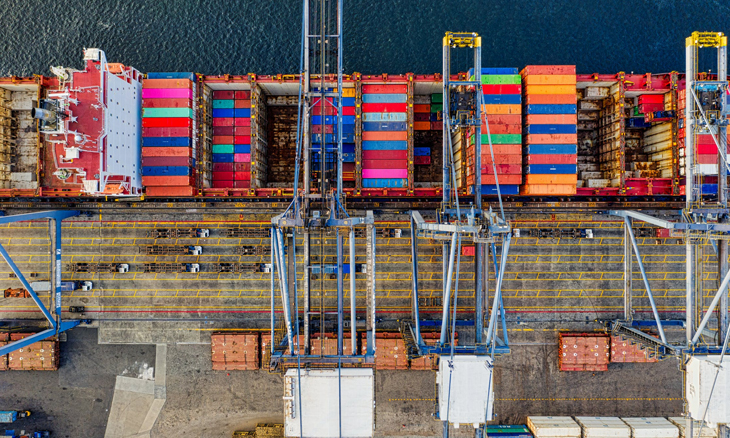
International shipping becomes more efficient when you cut delays, control packaging costs, and work with experts who know customs rules and global shipping routes. Global trade moves over $10 trillion in intermediate goods a year, and shipping costs often decide whether a shipment stays on budget. Knowing where time and money leak helps you plan a smoother shipment.
Why Is International Shipping So Expensive?
International shipping ranks among the highest cost factors for importers and exporters. Global trade moves over $10 trillion in intermediate goods a year, and shipping costs include both direct and indirect expenses. These costs cover moving goods from their point of origin to their final destination.
How Long Does International Shipping Take?
A container vessel shipping between Asia and the U.S. typically takes two weeks to a month. Documentation, handling, customs clearance, and inland shipping add 17 to 33 days in most emerging market regions. Another 6 days apply once the products reach the United States.
What Makes Up Total International Shipping Costs?
Total shipping expenses include transit costs from the manufacturer to the foreign port of exit, the port of exit to the U.S. port of entry, and the port of entry to the final destination. Inventory carrying costs add to this total while items stay in transit.
How Do Packaging and Container Fees Add to the Cost?
Even a slight delay in international shipments can hurt your bottom line. Global competition makes it harder for U.S. companies to stay competitive. Your business competes against lower labor and manufacturing costs, plus government subsidies that lower the cost of raw materials. This shift pushed many manufacturing operations overseas.
Most imported goods enter the U.S. by land or sea. Less than 1% arrive by air, which costs many times more than ocean freight. Factor in packaging, container fees, broker fees, and terminal handling when you plan a shipping budget.
You can find ways to save in these areas. Alliance Relocation Services compiled these tips to improve shipping efficiency. See specialty moving services.
How Can You Improve Your Shipping Credibility?
Being accurate with international shipping law requirements creates credibility with U.S. Customs and Border Protection. This accuracy affects compliance with the Customs-Trade Partnership Against Terrorism (C-TPAT) program. Strict compliance should reduce the likelihood of inspections and border delays.
How Can You Improve Quality Control?
If a shipment of goods has problems, getting a replacement in time can be impossible. Package those goods as airtight as possible to lower the risk of problems during shipment. Better quality control standards help your shipments pass through checkpoints with fewer delays.
How Does Transportation Infrastructure Affect Shipping Costs?
Foreign transportation infrastructure includes rail, ports, roads, and air networks across many countries, with varying quality levels. This quality directly affects the total cost and time to ship. Check a country’s infrastructure through the World Economic Forum, which tracks statistics on transportation infrastructure, telecommunications, and electricity generation. These three areas affect export and import times to a large degree.
Why Use Third-Party International Shipping Experts?
International shipping rates and working capital needs can slow your shipment. Working with third-party service providers who know global tariff and tax issues, local shipping providers, and international shipping laws can help you cut costs. These experts help you stay current and compliant with shipping methods that fit your company’s products. They also tend to track political developments that could affect your supply chain. If a shipment needs a new carrier, they can help you reroute it quickly.
See Planning an International Move? Here’s Why You Need Third-Party Experts. See also Key Considerations When Shipping Overseas.
Calculate the various aspects of transportation accurately before committing to international shipping. You need shipping that works efficiently while also providing high levels of quality control. Variables like freight costs, crating, duties and regulatory costs, and infrastructure all play a key role in reaching accurate estimates. Expert knowledge is critical to figuring out which strategy fits your company best.
Alliance Relocation Services supports shipments with crating and other specialty moving services across the United States and Canada. Request a shipping estimate to cover crating, packing, and other specialty needs for your next international shipment.
Frequently Asked Questions
What is the average transit time for international shipping from Asia to the U.S.?
A container vessel typically takes two weeks to a month to ship between Asia and the U.S. Customs, documentation, and inland shipping can add 17 to 33 days in many emerging market regions, plus about 6 more days once goods reach the United States.
Why is air freight rarely used for international shipping?
Less than 1% of goods imported into the U.S. travel by air. Air freight costs many times more than ocean freight, so land and sea remain the common choices.
What is C-TPAT and why does it matter for international shipping?
C-TPAT stands for the Customs-Trade Partnership Against Terrorism. Accurate compliance with international shipping requirements affects your standing in this program and can reduce inspections and border delays.
Why should businesses use third-party international shipping experts?
Third-party experts bring knowledge of tariffs, taxes, local shipping providers, and international shipping laws. They help businesses control costs, stay compliant, and reroute shipments quickly when needed.