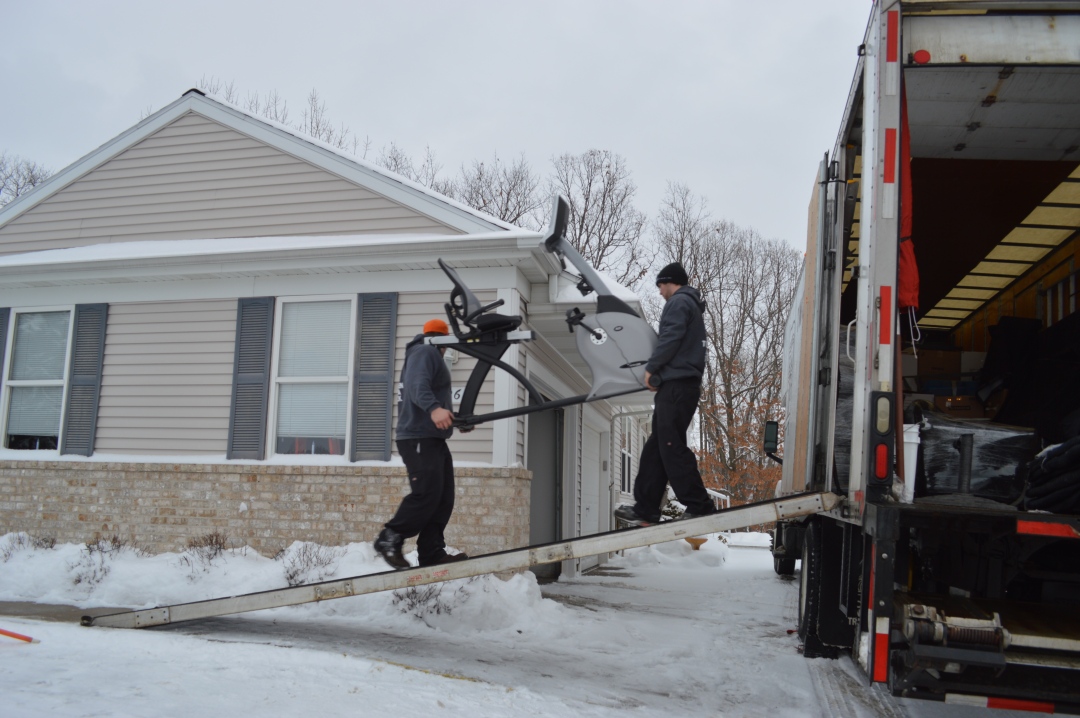

Calculating moving costs means looking past the truck rental price. A full budget covers packing supplies, professional help, transportation, travel, and incidentals. It also covers costs you can’t put a price tag on right away, like your time, physical health, and emotional energy. Missing these pieces can leave you short when moving day costs start adding up.
What Goes Into the Financial Cost of a Move?
Financial moving costs cover supplies, help, transportation, travel, and the odds and ends that pop up along the way. Planning for the cost areas below gives you a realistic budget before moving day arrives.
How Much Do Packing Supplies Cost?
Sturdy boxes, packing paper, dollies, furniture wrap, and straps protect your belongings during loading and delivery. Spending more upfront on quality supplies often costs less than repairing or replacing damaged items later.
Should You Hire Professional Movers?
Friends and family can help load a truck, but that choice carries some risk if items break or someone gets hurt. Professional movers can help the move go as smoothly as possible.
Alliance Relocation Services works alongside moving companies in the United States and Canada. The moving company loads and drives the truck, while Alliance technicians handle the specialty work at origin and destination. Alliance’s insured, background-checked technicians offer specialty moving services such as crating, furniture disassembly, appliance hookups, and unpacking.
What Does Professional Packing Add to Your Budget?
It’s easy to underestimate the time, materials, and effort packing takes, especially when belongings sit neatly in closets and cabinets. High-value items like antiques, electronics, and large furniture can need a specialist’s advice before loading. Factor in potential damage and breakage when you calculate packing and moving costs.
Driving a large moving van is another hidden challenge. A moderately sized home can need up to 1,600 cubic feet of moving space, more than many drivers can handle on narrow suburban streets.
Your time has a cost too, especially if you take time off work to pack, load, and deliver belongings yourself. Set aside two or more days for loading and delivery if you handle the whole move yourself.
How Does Transportation Affect Moving Costs?
Your choice of transportation is one of the biggest cost factors in a move. Containers, trailers, and trucks scale in price with the size of your move. Weigh the timing, distance, volume, and complexity of your move before you rent equipment or contract a service.
What Travel and Living Costs Should You Expect?
Travel and living expenses tend to grow during a move, regardless of distance. Lodging and airfare are the obvious costs, but food, fuel, and convenience items add up fast too, especially when you handle most of the packing and moving yourself.
Does Distance Change the Cost of a Move?
Longer moves tend to make professional movers more cost-effective, for a few reasons.
- One-way rental prices often include fees for truck relocation and inventory maintenance.
- Mileage, fuel, and insurance costs stack on top of the base rental price, and some moving trucks get only 6 to 15 miles per gallon.
- Longer trips raise the odds of damage or accidents, since driving a loaded truck for hours takes practice most renters don’t have.
See Understanding the Total Costs of Moving.
What Incidental Costs Come Up During a Move?
Even careful planning leaves room for incidentals. Supplies run low, pictures break, light bulbs burn out, and paint spills happen during a lot of moves. Budget a few extra dollars for these small, human errors.
How Do You Calculate the Opportunity Costs of Moving?
Opportunity costs cover the time and energy a move takes away from your normal life. These costs don’t show up on a receipt, but they still affect your budget and your wellbeing.
How Much Does Missed Work Cost You?
Research, coordination, packing, and moving take real time, even when plans go smoothly. Hiring extra hands or a full-service option can keep these tasks from turning into missed workdays. If you use vacation days to move, count that time as a cost too.
Comparing the price of help against the value of your work hours can clarify this tradeoff. See The Cost-Effectiveness of Professional Moving Services: Breaking Down the Savings.
Why Does Recovery Time Matter?
Lifting, cleaning, and traveling for several days in a row take a physical toll. Think about your personal limits and recovery time well before you start packing and loading.
What Happens to Your Personal Time?
As moving day approaches, paperwork, appointments, and last-minute packing can fill most of your spare hours. Without professional help, you may find little room left for family time or rest. Weigh the cost of your personal time when you consider a DIY move.
See The Hidden Costs of DIY Moving vs. Hiring Professional Services.
If you want a professional estimate before you finalize your budget, request a quote.
Frequently Asked Questions
Is a DIY move always cheaper than hiring movers?
No, long-distance moves often favor professional movers once fuel, mileage, and rental fees are added up.
What should I budget for if I drive a rental truck long distance?
Budget for mileage, fuel, and insurance fees on top of the base rental price. Some moving trucks get only 6 to 15 miles per gallon, so fuel costs can add up quickly over a long trip.
Who handles specialty items when a moving company hires Alliance?
Alliance Relocation Services sends insured, background-checked technicians to handle crating, furniture disassembly, appliance hookups, and unpacking. The moving company still loads and drives the truck while Alliance handles the specialty work at origin and destination.
What is the biggest overlooked cost in a move?
Personal time is one of the most overlooked costs. Paperwork, appointments, and last-minute packing can use up the hours you’d otherwise spend resting or with family.