
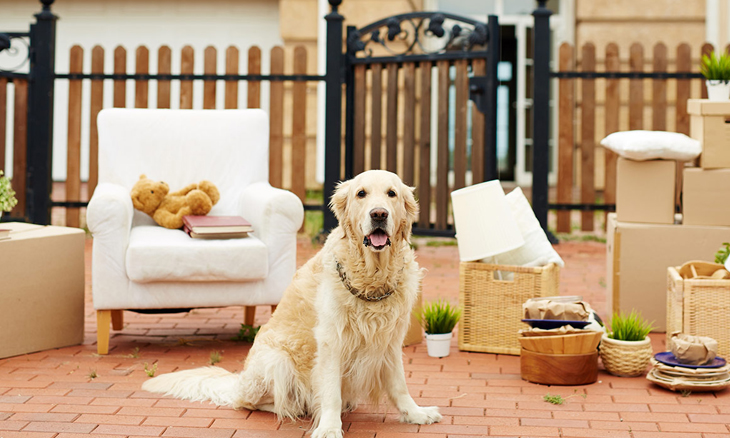
Moving with pets in the summer heat means protecting them from heat stress, anxiety, and escape risk during packing, loading, and travel. Dogs, cats, and other animals struggle with disrupted routines, open doors, and rising temperatures. A few preparation steps, like designating quiet spaces and watching for overheating, keep pets calm and safe during a summer relocation.
Doors stay open longer than usual on moving day. Strangers move through the home, furniture disappears, and familiar smells change. Temperatures rise while routines collapse, and anxious pets can find the shift overwhelming.
Successful moves protect furniture and valuables. They also reduce stress for the entire household, including four-legged family members. Summer relocations call for extra planning to keep pets safe, cool, calm, and secure throughout the process.
Why Are Summer Moves Harder on Pets?
Animals are often more sensitive to heat than people realize. During summer moves, pets may face hot vehicles, higher dehydration risk, and anxiety-related overheating.
Other summer risks include:
- Exposure to unfamiliar outdoor environments
- Loud packing activity
- Frequent open doors and escape opportunities
Cats and dogs can become distressed quickly when their environment changes. Even calm pets may react unpredictably during a move, and summer heat raises the stakes because stressed pets struggle to regulate body temperature.
Flat-faced breeds such as bulldogs, pugs, and Persian cats are especially vulnerable to overheating. Older pets, young animals, and pets with medical conditions also face higher risk during hot-weather moves. For a deeper look at heat-specific precautions, see Moving with Pets in the Summer: Keeping Them Cool, Safe, and Stress-Free.
Careful planning reduces both emotional and physical stress for pets.
Can Packing Chaos Trigger Pet Anxiety?
Yes, many pets become highly anxious during the early stages of moving preparation. Assuming pets will simply adjust while packing happens around them is a common mistake.
Cats often react by hiding, refusing food, or escaping into unsafe areas. Some become unusually aggressive or eliminate outside the litter box.
Dogs may bark excessively, pace, whine, or become destructive from stress and confusion. Even social animals can grow nervous when strangers repeatedly enter the home carrying boxes and supplies.
Some bulky items need specialized handling, which adds extra activity that pets may find stressful. Learn more about Alliance specialty moving services. An organized, efficient process helps restore calm faster than prolonged disorder lasting days or weeks.
How Do You Keep Pets Away From Active Packing Areas?
One safe strategy is creating a quiet, secure area away from active packing zones. This matters more in summer because pets can easily become overstimulated and overheated as activity rises.
A designated safe room should include:
- Water
- Food
- Bedding
- Favorite toys
- Litter box or potty access
- Familiar scents
This gives pets a retreat where they can stay calm while packing crews work through the rest of the home. For highly anxious pets, homeowners may consider boarding, pet daycare, or staying with trusted family or friends during the busiest parts of the move.
Why Do Open Doors Create Risks for Pets?
Open doors create a major hazard that many pet owners underestimate. Packing and moving activity often requires repeated trips in and out of the home, so doors may stay open for long stretches while boxes and furniture move through.
For nervous pets, this creates a dangerous escape opportunity. Cats are notorious for disappearing during moving activity, and dogs may bolt unexpectedly due to noise or confusion. Lost pets during moves happen more often than many homeowners realize.
Before packing begins, confirm the following:
- Pets wear updated ID tags
- Microchip information is current
- Carriers are secure and accessible
- Escape-prone pets stay isolated from loading zones
Clear communication about pets inside the home helps everyone stay aware during busy loading periods.
Why Is Vehicle Heat Dangerous for Pets?
Cars heat rapidly, even during short stops, and pets left unattended can quickly suffer heat exhaustion or heatstroke.
Signs of overheating may include:
- Excessive panting
- Drooling
- Weakness
- Vomiting
- Disorientation
- Collapse
Long-distance summer moves call for careful planning around hydration, ventilation, rest stops, and temperature control. Pets should travel in climate-controlled vehicles with direct supervision rather than inside hot moving trucks or enclosed trailers whenever possible.
Cats and small dogs should stay in secure carriers during transportation to reduce stress and improve safety. The guide Moving with Pets: How to Keep Your Furry Friends Safe and Calm covers additional transport precautions.
How Do Familiar Items Help Pets Feel Secure?
Animals rely heavily on familiarity and scent, and during a move nearly everything around them changes at once. Keeping familiar comfort items accessible throughout the transition reduces stress.
This may include:
- Favorite blankets
- Beds
- Toys
- Food bowls
- Scratching posts
- Crates
- Treats
Many pet owners pack these items too early. Keeping familiar objects nearby until the final stretch helps pets feel grounded during chaotic moving days.
Alliance Relocation Services unpacks boxes, puts the kitchen away, and makes beds at the new home, so unpacking pet-related belongings first often helps animals adjust more quickly.
Why Do Cats Need Special Consideration During a Move?
Cats are particularly sensitive to environmental changes. Unlike many dogs, cats are highly territorial and deeply attached to familiar surroundings, so abrupt transitions can trigger significant stress behaviors.
Summer heat can add to the discomfort because anxious cats may hide in unsafe locations such as:
- Garages
- Attics
- Behind appliances
- Inside moving boxes
- Under vehicles
An organized, efficient packing process helps minimize this clutter and risk. Cat owners should stay careful during unpacking too, since many cats hide silently after arriving at a new home, and repeated door openings during unloading raise escape risk.
Setting up one quiet room at first lets cats adjust gradually before exploring the full house. The guide Moving With Your Pets offers more preparation tips for cats and dogs alike.
How Does Professional Packing Reduce Household Stress?
Emotional bandwidth is one of the biggest hidden benefits of professional packing help. When homeowners are overwhelmed, pets often absorb that stress.
Rushed DIY packing creates noise, frustration, disorder, fatigue, arguments, and extended disruption. Animals are highly perceptive to emotional tension inside the home.
Bringing structure and efficiency into the process eases this pressure. Instead of exhausting late nights packing boxes while juggling pet care, an organized approach completes tasks faster and more systematically, which benefits both humans and animals.
What Summer Supplies Matter Most During a Move?
A dedicated pet supply bag that stays accessible throughout the move makes a real difference. This should include:
- Water
- Portable bowls
- Food
- Leash
- Waste bags
- Medications
- Towels
- Cleaning supplies
- Veterinary records
Having these items on hand prevents unnecessary searching during already stressful moments. Keeping extra water accessible during loading and unloading matters most on extremely hot days.
How Long Do Pets Need to Adjust After a Move?
Adjustment often takes time, and settling in rarely happens right away. Dogs may initially become clingy, restless, or confused, while cats may hide for days before gradually exploring their new environment.
Maintaining familiar routines helps significantly during this transition. Feeding schedules, walks, playtime, and sleeping arrangements should stay as consistent as possible.
Clearly labeled boxes make it easier to locate important pet supplies quickly during unpacking. The faster basic routines return, the more secure pets typically feel.
Protecting Pets Is Part of a Successful Move
Moving conversations often focus only on furniture, logistics, and timelines. For pet owners, a successful move also protects the emotional and physical well-being of animals who depend on their humans during major transitions.
An organized, efficient, lower-stress moving experience benefits every member of the household, including pets. Reducing chaos and protecting belongings frees up attention for helping animals feel safe during a major life change.
Alliance Relocation Services works alongside moving companies across the United States and Canada, handling specialty tasks at origin and destination so homeowners can focus on their pets. Request a moving quote to plan support around a summer move date.
Final Thoughts
Summer moves can be especially challenging for pets. Heat, noise, unfamiliar activity, and disrupted routines create stress that many animals struggle to process.
With thoughtful preparation, careful planning, and the right support, homeowners can reduce these risks significantly. Creating safe spaces, minimizing chaos, limiting heat exposure, and maintaining familiar routines all help make moving day safer and less overwhelming.
Pets are not passengers during a move. They are family.
Frequently Asked Questions
Which pets face the highest risk during summer moves?
Flat-faced breeds such as bulldogs, pugs, and Persian cats are especially vulnerable to overheating. Older pets, young animals, and pets with medical conditions also face higher risk during hot-weather moves.
Where should pets travel during a summer move?
Pets should travel in climate-controlled vehicles with direct supervision rather than inside hot moving trucks or enclosed trailers. Cats and small dogs should stay in secure carriers during transportation.
What should go in a pet supply bag for moving day?
A pet supply bag should include water, portable bowls, food, a leash, waste bags, medications, towels, cleaning supplies, and veterinary records. Keeping it accessible prevents unnecessary searching during stressful moments.
How can homeowners reduce packing stress for pets?
A quiet, secure room away from active packing zones gives pets a calm retreat stocked with water, food, bedding, and familiar scents. For highly anxious pets, boarding, pet daycare, or staying with trusted family can help during the busiest parts of the move.
Why do cats need special handling during a move?
Cats are highly territorial and deeply attached to familiar surroundings, so abrupt transitions can trigger stress behaviors. Setting up one quiet room at the new home lets cats adjust gradually before exploring the full house.