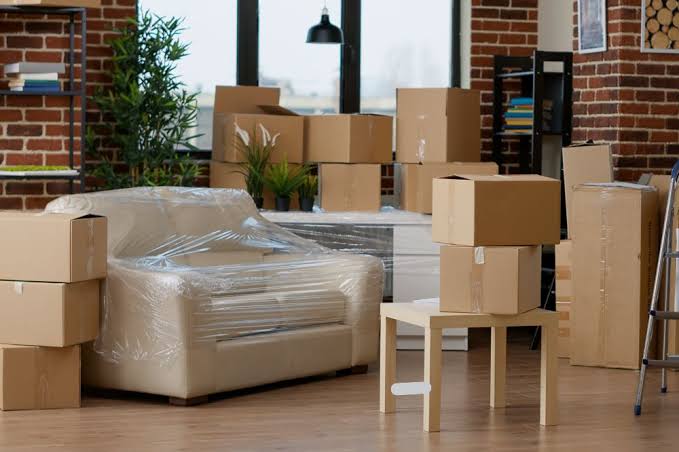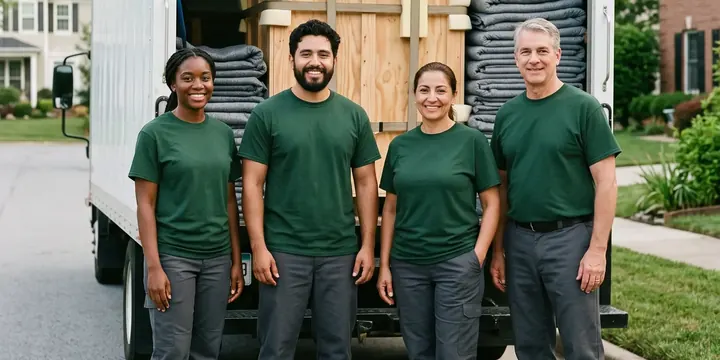

Professional packers can still save time, protect belongings and prevent injuries, even with only days or hours before moving day. Trained crews bring order to a process that otherwise turns chaotic fast. Their skills in packing, crating and furniture handling can stop a rushed move from turning into a costly disaster.
Why Do Last-Minute Moves Go Wrong So Quickly?
Moving already involves hundreds of decisions. When time runs short, people prioritize speed over strategy, and mistakes start piling up quickly.
Fragile items get packed without protection. Important documents disappear into random boxes. Hardware from furniture disassembly gets lost. Electronics cords become tangled. Valuable artwork gets wrapped in little more than a blanket. Kitchens get packed in a frenzy, leading to shattered dishes and broken glassware.
Homeowners rarely realize how long proper packing actually takes. Packing a household is physically exhausting and mentally draining, especially while coordinating utilities, paperwork, cleaning, childcare, pets and transportation logistics.
As fatigue increases, organization drops. Professional packing teams bring structure to situations that often feel overwhelming. For a closer look at how packers fit into a move, see The Role of Professional Packers in Streamlining Your Relocation.
Why Does the Kitchen Become the First Disaster Zone?
Kitchens are some of the hardest rooms to pack correctly in a rush. They hold several difficult categories:
- Fragile dishes
- Glassware
- Sharp utensils
- Heavy cookware
- Small appliances
- Pantry items
- Liquids and spices
In a last-minute move, people often toss these items together without separation or cushioning. Boxes get dangerously heavy. Glassware breaks during transport. Leaking pantry items create extra messes.
Professional packers know how to organize kitchens while protecting delicate items from damage. Structured packing systems let even complicated kitchens get packed faster and safer than most DIY attempts.
Why Do Artwork and Valuables Need Immediate Attention?
Identifying high-risk items before damage happens is one of the biggest advantages of professional packing during a rushed move.
Artwork, antiques, collectibles, mirrors, sculptures and sentimental belongings are especially vulnerable under time pressure. Unfortunately, these are often the items people pack last because they feel intimidating or complicated.
Packing crews can quickly prioritize:
- Fragile artwork
- Family heirlooms
- Collectibles
- Electronics
- Musical instruments
- Decorative glass
- Valuable furniture
Some items need this kind of specialized handling too. Alliance Relocation Services offers custom crating and uncrating to help protect these pieces during a move.
Custom crating and specialized wrapping help protect items that would face significant risk during rushed transportation. This alone can save homeowners thousands of dollars in preventable damage.
How Does Furniture Disassembly Become More Manageable?
Large furniture pieces become major obstacles during rushed moves.
Beds, dining tables, sectionals, entertainment centers and office furniture often need partial disassembly before transport. DIY attempts frequently turn into confusion involving missing tools, stripped screws and misplaced hardware.
Professional packing and disassembly services help prevent these problems. Experienced crews know how to:
- Disassemble furniture safely
- Protect surfaces from scratches
- Organize hardware properly
- Prepare furniture for transportation
- Reassemble items efficiently later
This reduces damage risk and saves time during loading and unloading.
How Do Professional Packers Reduce Moving-Day Chaos?
One of the most underrated benefits of professional packing is emotional relief.
Last-minute moves often create a sense of panic where rooms feel unfinished at the same time. People jump from task to task without finishing anything efficiently.
Professional crews introduce order to the process. Instead of random packing decisions, there is a system:
- Fragile items get priority
- Boxes get clear labels
- Similar items stay together
- Heavy items get packed safely
- Important belongings get identified early
- Truck loading preparation gets more organized
This structure lets homeowners focus on other urgent responsibilities without feeling completely overwhelmed.
How Do Professional Packers Save Electronics From Costly Damage?
Electronics rank among the most commonly damaged items during rushed moves.
In a panic, people often unplug devices quickly and toss cords, remotes, accessories and expensive equipment into mismatched boxes. Televisions get wrapped in blankets without real structural protection. Computer monitors get stacked improperly. Gaming systems shift during transit.
Professional packers prevent these issues by organizing and protecting electronics systematically. Proper packing materials, cushioning methods and loading strategies reduce the chances of cracked screens, damaged ports or broken internal components.
For many households, protecting electronics alone justifies professional packing assistance.
Does Last-Minute Packing Increase Injury Risks?
Many people focus only on property damage during moves, but injury risk climbs fast during rushed DIY packing.
Fatigued homeowners often:
- Lift boxes improperly
- Overload containers
- Carry furniture without help
- Rush through stairwells
- Skip hydration and breaks
This leads to strained backs, falls, smashed fingers and other preventable injuries.
Professional packing teams get trained to handle heavy, awkward and fragile items safely. They understand weight distribution, lifting techniques and safe handling procedures that most homeowners lack experience with.
Reducing physical strain matters especially during emotionally stressful moves.
Why Do Packing Materials Matter So Much?
Poor packing materials are a common reason DIY moves fail.
Homeowners often rely on:
- Grocery store boxes
- Thin tape
- Old blankets
- Newspaper
- Reused damaged boxes
These materials fail under pressure, especially during rushed moves where boxes get overloaded or stacked improperly.
Professional packing services use materials designed specifically for moving protection, including reinforced boxes, specialty cushioning, furniture padding and protective wrapping systems. The guide Hiring Pro Packers: Why DIY Costs You Money and Time breaks down more of these hidden costs.
Material quality directly affects the safety of belongings during transportation.
Can Partial Packing Help Still Make a Difference?
Many people assume a move needs full-service packing or no professional help at all. That assumption is false.
During a last-minute move, even partial professional packing assistance can improve outcomes dramatically. For example, homeowners might handle clothing and basic household items themselves while hiring professionals to protect:
- Artwork
- Fragile kitchenware
- Electronics
- Antiques
- Large furniture
- Collectibles
- Mirrors and glass items
This targeted approach lets crews focus on the highest-risk areas while still cutting overall stress and damage potential. The article Why Professional Packing Services Save More Than Just Time covers more ways partial or full packing help pays off.
How Do Professional Packers Protect What Matters Most?
The belongings that matter most during a last-minute move often carry more than monetary value.
Some items carry financial value. Others carry emotional value that nothing can replace.
Family photo albums. Inherited furniture. Children’s keepsakes. Wedding gifts. Military memorabilia. Personal collections. Artwork gathered over decades.
In rushed moves, these meaningful belongings often become vulnerable because time pressure forces hurried decisions.
Professional packing services help slow the chaos enough to give important items proper care and attention. The goal goes beyond placing items into boxes. It centers on protecting homeowners from preventable loss during one of life’s most stressful transitions.
Why Does Calling for Help Early Matter?
One of the biggest mistakes homeowners make during a last-minute move is waiting too long to ask for help.
People often struggle alone for days before realizing they’re overwhelmed. By then, exhaustion sets in, organization collapses and damage risks climb.
The sooner professional packing crews get involved, the more effectively they can:
- Organize the process
- Protect fragile items
- Reduce stress
- Improve efficiency
- Prevent costly mistakes
Even when time runs extremely short, experienced packers can often stabilize situations that initially seem impossible.
Help for a Last-Minute Move Is Still Within Reach
Last-minute moves are rarely ideal. They bring stress, exhaustion and emotional strain. They can still avoid becoming disasters.
Professional packing services help restore structure, protect valuable belongings, reduce physical strain and prevent many of the common mistakes that happen during rushed DIY moves.
When homeowners feel overwhelmed by timelines, logistics and uncertainty, experienced packing crews provide something valuable: control.
During a chaotic move, that control can make a real difference.
Ready to plan help for a rushed move? Request a moving quote and get an estimate back in minutes, anywhere in the United States or Canada.
Frequently Asked Questions
What should get packed first in a last-minute move?
Kitchens and valuables like artwork, antiques and collectibles need attention early. These items break easily and often get packed last because they feel complicated.
Can professional packers help with only part of a move?
Yes. Homeowners can pack basics like clothing themselves while hiring professionals for fragile kitchenware, electronics, artwork and large furniture.
How soon should I call packers for a rushed move?
As early as possible. The sooner packing crews get involved, the more they can organize the process, protect fragile items and prevent costly mistakes.
Does a last-minute move increase the risk of injury?
Yes. Fatigued homeowners who lift boxes improperly or rush through stairwells face a higher risk of strained backs, falls and other injuries. Trained packing crews reduce that risk.