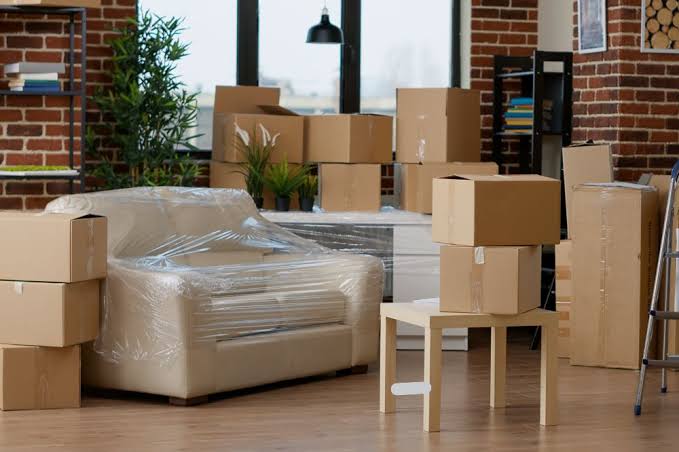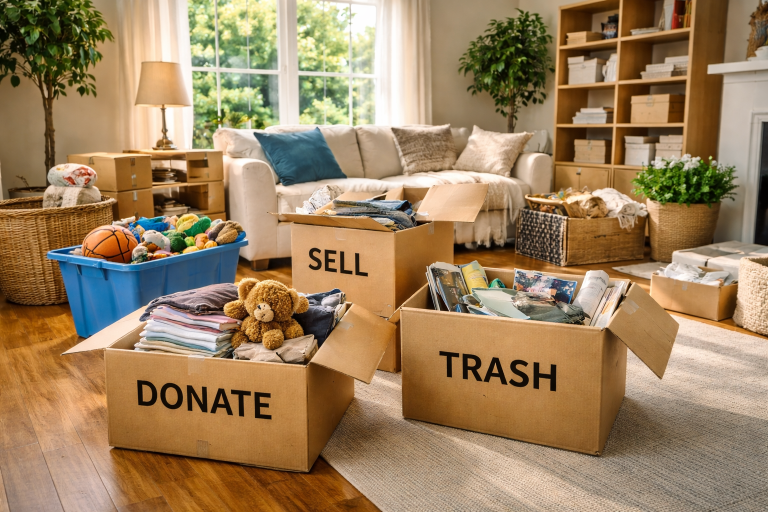

Spring moving tips work best when packing starts before moving day. Spring cleaning already sorts what stays and what goes, so it’s the ideal time to pack rarely used items. Packing ahead also protects fragile pieces and sets up a system that saves time and money later.
Why Is Spring the Best Time to Pack?
Spring cleaning already asks you to decide what stays, what goes, and what gets stored. That makes it the right moment to add a packing strategy to your routine.
Instead of returning items to closets or cabinets in a loose way, you can:
- Organize items by season, use, or priority
- Protect items you don’t use often, with proper care
- Reduce visual clutter while keeping easy access
This step pairs well with a full room by room sort, something covered in Declutter Before You Move: Why March Is the Perfect Reset Month.
What Is the “Pack Ahead” Mindset?
Most people wait until the last minute to pack, and that’s when stress rises fast. A rushed packing job leads to broken items, misplaced belongings, and a chaotic moving day.
A “pack ahead” mindset flips that pattern. Instead of packing everything at once under pressure, you gradually pack items you don’t need daily.
Think of it as creating layers in your home:
- Everyday items stay accessible
- Occasional-use items get packed and labeled securely
- Rarely used or seasonal items get fully prepared for future transport
This approach brings quick benefits. Your home feels more organized, and if a move happens, you’re already halfway finished.
What Should You Pack First?
Not everything needs packing right away. The goal is to spot items that won’t disrupt daily routines but will help later.
Here are strong categories to start with:
- Seasonal items (holiday décor, winter clothing, ski gear)
- Special occasion kitchenware (fine china, serving platters, extra glassware)
- Decor and wall art not currently in use
- Books, keepsakes, and archival items
- Guest room items that aren’t needed regularly
Packing these items now clears space and cuts the workload when it’s time to prepare for a move.
How Do You Protect Fragile Items Before a Move?
One common mistake is waiting until the last minute to protect fragile or high-value items. That’s when shortcuts happen, and that’s when damage occurs.
Spring gives you time to handle these items properly, without pressure.
Professional packing techniques help with:
- Glassware cushioned and separated correctly
- Artwork protected from impact and environmental changes
- Electronics secured to prevent internal damage
- Furniture components wrapped to avoid scratches or stress points
Companies such as Alliance Relocation Services offer furniture disassembly and reassembly services that keep bulky items secure before, during, and after a move. When these items get packed ahead of time, they stay protected from everyday wear, accidental bumps, and improper storage.
How Do You Create a Packing System That Works?
Packing ahead works best with a clear system. Random boxes and vague labels create confusion later.
A strong packing system includes:
- Clear labeling by room, category, and priority
- Inventory tracking for high value items
- Consistent materials that protect contents properly
- Logical grouping of items based on use
Professional packing services make a measurable difference here. Instead of guessing which materials to use or how to organize boxes, a team handles everything with precision and consistency.
That consistency pays off beyond moving day. You’ll know where things are, how they’re stored, and how fast they can be found or moved.
Check Alliance’s specialty moving services for crating, furniture disassembly, appliance hookups, and unpacking options that support this kind of system.
How Does Packing Early Reduce Moving Costs?
Packing is often seen as just another expense. Done strategically, it actually lowers overall costs.
Here’s how:
- Less damage means fewer replacements
- Faster packing later means lower labor costs
- Better organization means less time searching, repurchasing, or duplicating items
More importantly, you avoid the hidden costs of stress, rushed decisions, and last-minute scrambling.
A well-packed home is simply easier to manage, and that ease adds up to real savings.
How Does Packing Early Improve Your Home Today?
This step improves daily life at home, beyond preparing for a future move.
When items you don’t use often get packed and stored properly:
- Spaces feel cleaner and more open
- Daily routines become more efficient
- Clutter drops without losing what you value
You give your belongings a better place and purpose. That shift changes how your home feels. It becomes calmer, more intentional, and easier to maintain.
For tips on settling into a new space once moving day arrives, see Moving to Your New Home in Spring.
When Should You Bring in Professional Packers?
You don’t have to handle all the work yourself. Trying to manage everything alone often leads to inconsistent results.
Professional packers help most when:
- You have fragile or high-value items
- You’re short on time
- You want a consistent, labeled system throughout your home
- You’re planning a move within the next 6 to 12 months
Even a partial packing strategy, focused on specific areas or categories, can make a real difference.
Timing also matters here. See Fresh Start: How to Perfectly Time Your Move This Spring for more on planning your move around the season.
Ready to get help? Request a quote for crating, packing, or unpacking support in the United States or Canada.
Work Smarter This Spring
Spring cleaning doesn’t have to be temporary. With the right strategy, it becomes a long-term upgrade to how your home runs.
Packing smart now means:
- Less stress later
- Better protection for your belongings
- A more organized, functional living space
When the time comes to move, whether sooner or later, you won’t start from scratch. You’ll already be ready.
Frequently Asked Questions
How far ahead should I start packing for a spring move?
Start packing rarely used items such as seasonal décor or guest room items as soon as spring cleaning begins. This spreads the work out and reduces pressure closer to moving day.
What items benefit most from professional packing?
Fragile, high-value, or oddly shaped items such as glassware, artwork, and electronics benefit most from professional packing techniques. These items need cushioning, correct separation, and secure wrapping to avoid damage.
Does packing early really save money?
Yes. Packing early reduces damage, speeds up the final packing push, and cuts the time spent searching for or replacing items. These savings add up alongside less stress during the move itself.
Can I use a pack ahead strategy if I’m not moving soon?
Yes. A pack ahead approach also keeps your home organized and easier to maintain, even without a move on the calendar. It reduces clutter while keeping the items you still need within reach.