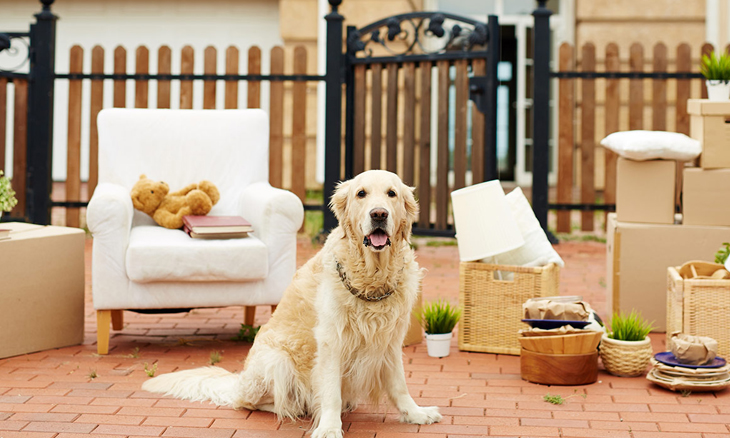
Moving with pets takes planning for their health, safety and emotional comfort before, during and after the move. Pet owners should gather vet records, prepare a travel kit, check airline rules and keep routines consistent. With early preparation, pets can settle into a new home with less stress and a smoother transition for the whole family.
How Should You Prepare to Move with Pets?
Moving with pets takes careful planning well before moving day arrives. Even a calm, well-trained dog or cat can grow nervous during a move.
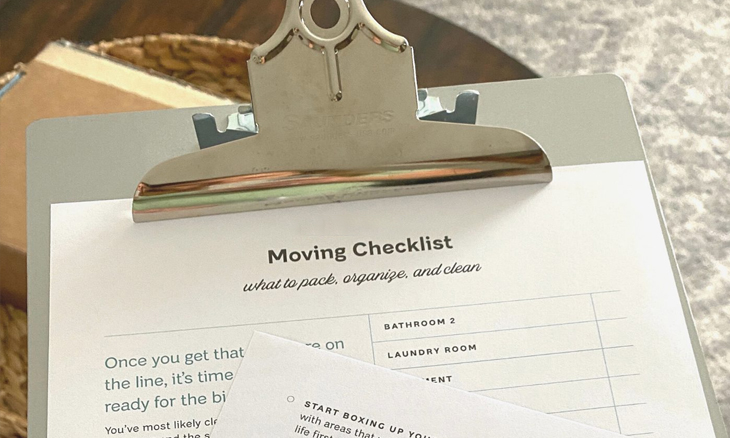
Start with a checklist, research travel requirements and gather vet documents ahead of time. Some owners also turn to a pet relocation service for extra help.
Alliance Relocation Services handles crating, furniture disassembly and unpacking. Add pet to-dos to your overall moving planner so nothing gets missed. For more pet-specific steps, see Moving with Pets: How to Keep Your Furry Friends Safe and Calm.
How Do You Get Your Pet’s Veterinary Records Before a Move?
Get copies of your pet’s veterinary records before the move and store them somewhere accessible. A new vet can request records from the previous clinic, but that takes time.
You will likely need proof of vaccinations, particularly rabies, when moving across state lines. Having copies on hand avoids delays at your new vet’s office.
How Can You Support Your Pet’s Emotional Needs During a Move?
Almost all animals feel some anxiety while traveling, whether you drive or fly. Tending to their emotional needs helps them adjust faster once you arrive.
Give pets extra attention in the days leading up to the move, or ask your vet about a sedative. Stick to usual feeding, walking and bedtime routines as much as possible. Keeping these routines steady helps maintain a sense of normal life during a time of many changes.
What Should You Check with Airlines Before Flying with a Pet?
Contact the airline first to confirm what pets they allow and what fees apply.
Some airlines restrict certain dog breeds. Research which kennels and travel totes meet airline standards before booking your flight. Make sure you arrive at the airport with the right carrier for your pet.
How Do You Know If a Pet Kennel Is Well Ventilated?
A kennel or tote needs proper airflow so your pet can breathe normally throughout the trip. Ask your veterinarian for their opinion on your carrier before travel day.
Label the carrier clearly with your pet’s name and ID number.
Should You Feed Your Pet on Moving Day?
Check with your vet first, but a large meal right before flying or driving can cause problems en route. Cats can be prone to vomiting, and dogs may experience motion sickness or anxiety.
Plan your pet’s meals strategically around travel times to avoid unexpected messes on the road.
Does Exercise Help Pets Before a Move?
Yes, exercise on moving day helps settle a restless pet. A walk, a game of fetch or some indoor play burns off nervous energy before the chaos begins.
A tired pet tends to rest more calmly during a long drive or flight.
Why Keep Your Pet’s Belongings Separate During a Move?
Keeping your pet’s bed, toys and blankets together gives them comfort from familiar items in a new space. It also keeps food and essentials easy to find when you need them quickly.
Pack a pet moving day bag with food, bottled water, bowls, medication, litter, poop bags, chew toys and blankets. Alliance Relocation Services offers unpacking services.
How Do You Keep Pets Safe During Packing and Loading?
Movers can leave doors open, boxes can tip, and pets can become a tripping hazard during loading. Crating your pet or keeping them in a closed room before and after the move keeps them out of harm’s way.
Should You Change Your Pet’s Food When Moving?
No, moving day is not the time to start a new diet. Consistency matters for any pet, whether a dog, cat, reptile or bird.
Changing food can disrupt digestion and cause stomach trouble during the move. Pack enough usual food and treats to last several days.
Final Thoughts
Pets tend to do well when owners plan a little ahead. Keep routines consistent, check airline requirements and contact your vet for travel advice.
For cooling strategies, see Moving with Pets in the Summer: Keeping Them Cool, Safe, and Stress-Free. For packing tips, see Moving With Pets in the Summer Heat: Packing Tips for a Safer Transition.
Alliance Relocation Services works alongside moving companies across the United States and Canada, handling crating, furniture disassembly and unpacking. Request a moving quote to plan support around your move date.
Frequently Asked Questions
What should you gather and check before a move with pets?
Gather vet records, review travel requirements and put together a checklist before your move. Early planning gives time to handle airline rules and kennel needs calmly.
What belongs in a pet’s moving day bag?
Pack food, bottled water, bowls, medication, litter, poop bags, chew toys and a familiar blanket. Keeping these items separate makes them easy to find during the move.
Is it safe to feed a pet right before travel?
Check with your vet first, since a large meal before flying or driving can lead to vomiting or motion sickness. Plan meals around travel times instead.
Why shouldn’t you switch your pet’s food during a move?
Changing food can disrupt digestion and cause stomach problems at a stressful time. Stick with usual food and treats, packing enough to last several days.
Where should pets stay during packing and loading?
A crate or a closed room away from the moving activity keeps pets safe from open doors and tipping boxes.