Moving with pets safely means keeping routines steady, confirming identification, packing a pet-specific kit, and giving cats, dogs, birds, and other animals a quiet space before, during, and after the move. Relocating is exciting for people but unsettling for animals used to familiar surroundings. Alliance Relocation Services shares the steps below to help pets stay calm from start to finish.
How do you prepare pets before a move?
Preparation lowers stress for pets during a move. Keep a regular feeding, walking, and play schedule in the weeks before moving day to give pets a sense of normalcy.
Schedule a vet visit to confirm vaccinations are current and get health certificates if you are moving across state lines or internationally. Ask about calming aids such as pheromone diffusers, anxiety wraps, or mild sedatives if a pet tends toward stress. Update microchip information and ID tags with the new address and contact details so a lost pet can find its way back.
Let pets get used to a travel carrier or crate ahead of time. Leave the carrier in a familiar space, add treats or toys inside, and let the pet explore it. This helps pets feel more comfortable on moving day, whether they travel by car or plane.
How do you pack without disrupting pets?
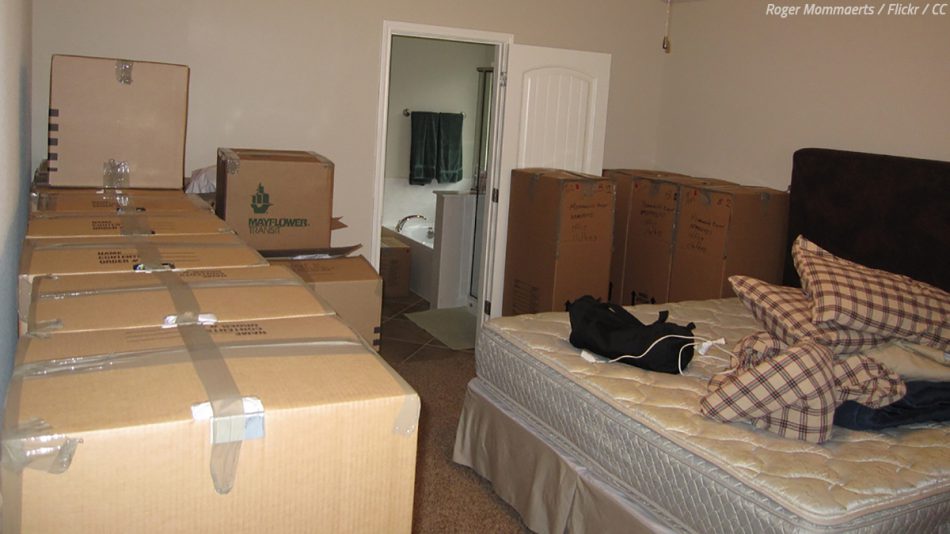
Packing unsettles pets because they watch familiar surroundings get taken apart. Set up a quiet “safe space” in the home, away from the packing activity, where pets can retreat. Fill it with a bed, favorite toys, and a water bowl, and leave it untouched until late in the process.
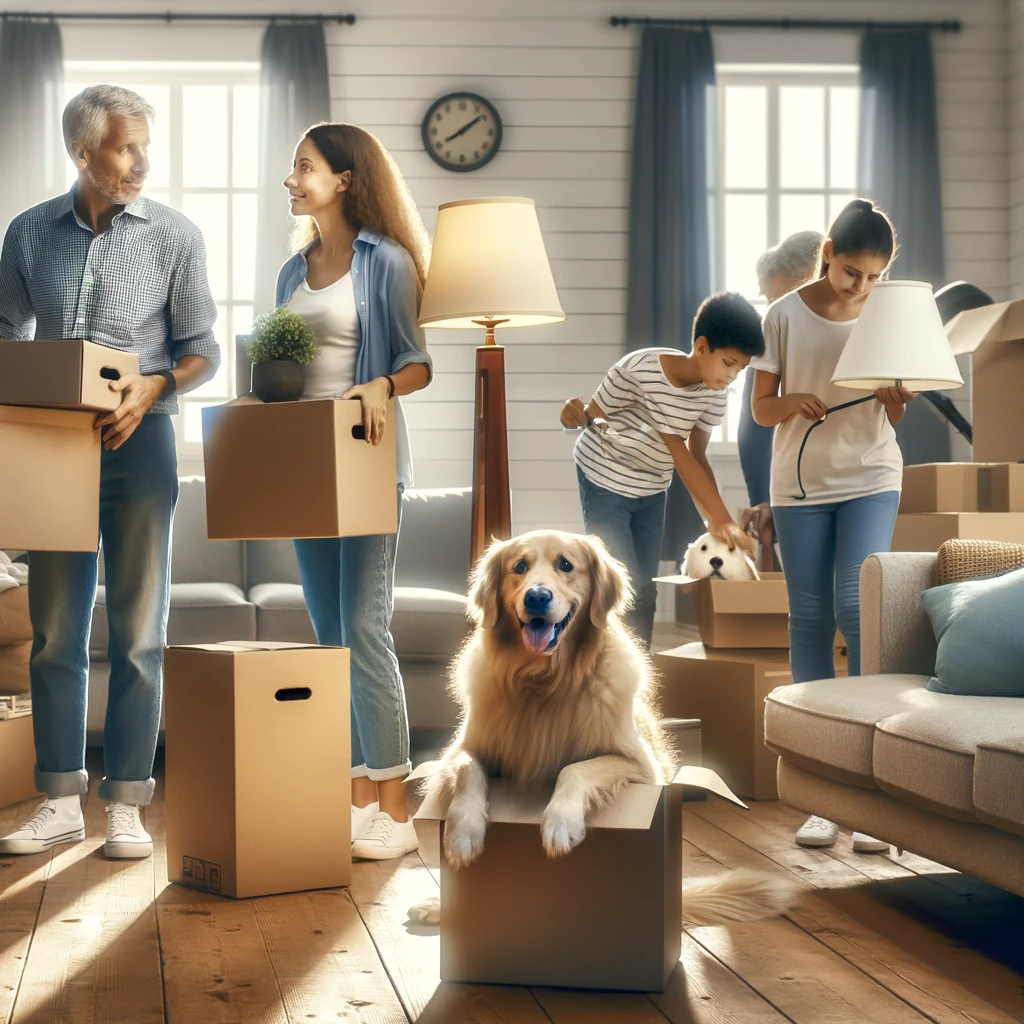
Pack the following items in a clearly labeled “pet box” that stays within reach during the move:
- Food and water
- Bowls
- Litter
- Medications
- A leash and waste bags
- A familiar blanket or toy
Having these items on hand helps pets feel secure in a new environment.
If packing feels like too much, professional packing and unpacking services can take some of the load off, leaving more time to care for pets. Alliance Relocation Services handles packing and unpacking as part of Alliance specialty moving services. Heavy items such as a home safe need added care too; see Tips for Moving a Safe on Your Own for guidance.
How do you keep pets safe on moving day?
Moving day brings movers, open doors, and constant activity, which adds up to the most chaotic part of a relocation. Boarding pets at a kennel or leaving them with a trusted friend or family member for the day keeps them out of the way. If that is not an option, confine pets to the safe space with a “Do Not Enter” sign on the door to prevent accidental escapes.
For smaller pets such as birds, fish, or reptiles, keep travel containers secure and at a steady temperature. Skip large meals for dogs or cats on moving day to prevent motion sickness, but offer plenty of water and short, familiar walks to help them stay calm.
How do you transport pets safely?
Whether driving or flying to a new home, pet safety and comfort during the trip come first. For car trips, secure dogs with a pet seatbelt or crate, and keep cats in a well-ventilated carrier. Cars can heat dangerously fast, so never leave a pet unattended in a parked vehicle. For more on heat-related risks, see Moving With Pets in the Summer Heat: Packing Tips for a Safer Transition.
Plan regular stops to let dogs stretch their legs and use the bathroom, and keep windows closed to prevent escapes.
If flying, research airline pet policies well ahead of time and choose a carrier that meets their requirements. Direct flights cut down on travel time when they are available, and a vet can advise on any added precautions for air travel.
How do you help pets settle into a new home?
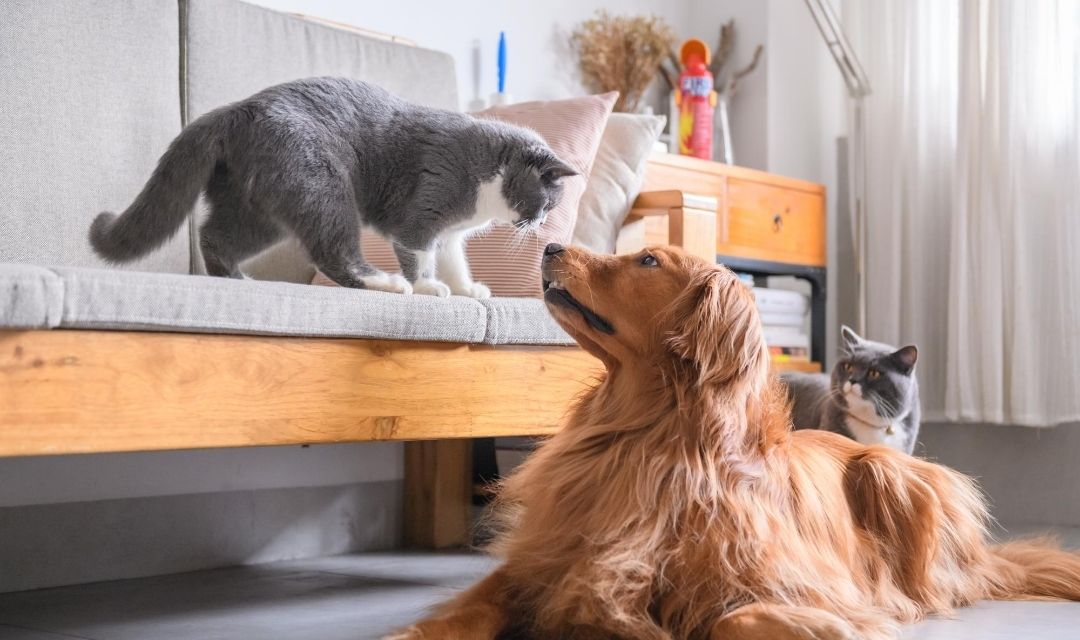
Set up a quiet, familiar space for pets as soon as you arrive at the new home. Use items from the safe space, such as a bed, toys, and blanket, to create a sense of continuity. Let pets explore gradually, starting with one room before introducing them to the rest of the house.
Reestablish feeding, walking, and playtime schedules quickly. Watch for signs of stress, such as pacing, hiding, or changes in appetite, and offer extra attention and affection. Keep outdoor cats indoors for at least two weeks to prevent them from trying to return to their old territory.
For more tips on health records and travel rules, see Moving With Your Pets.
A smooth move for pets and people
Moving with pets takes extra care, but planning ahead keeps the process calmer for people and animals alike. Keep routines steady, pack a pet-specific kit, and give pets a quiet space to retreat to on moving day.
Alliance Relocation Services works alongside moving companies across the United States and Canada, handling furniture disassembly and reassembly, appliance disconnect and reconnect, and unpacking at the new home. That support leaves more time to focus on helping pets adjust to unfamiliar surroundings.
Request a moving quote to plan support around your move date.
Frequently Asked Questions
How far ahead should I update my pet’s ID tags?
Update microchip information and ID tags with the new address and contact details before moving day. This helps a lost pet find its way back during the move.
What should go in a pet’s essentials box?
Pack food, water, bowls, litter, medications, a leash, waste bags, and a familiar blanket or toy in a clearly labeled box. Keep this box within reach throughout the move.
Should I feed my pet a large meal on moving day?
No. Skip large meals for dogs or cats on moving day to prevent motion sickness. Offer plenty of water and short, familiar walks instead.
How long should cats stay indoors after a move?
Keep outdoor cats indoors for at least two weeks after arriving at a new home. This helps prevent them from trying to return to their old territory.
Is it safe to leave a pet in a parked car during a move?
No. Cars can heat dangerously fast, so never leave a pet unattended in a parked vehicle, even for a short stop.