Moving with pets in summer calls for extra planning around heat, stress, and safety. Pets face real risks from hot cars, long days, and changed routines. A few steps help dogs, cats, and other animals stay calm and safe. Keep routines steady, limit heat exposure, and plan from packing day through the first days in a new home.
Doors open and close for hours on moving day, and July heat raises the stakes for all members of the household with fur or feathers. A move that goes smoothly for people can still unsettle a pet who does not understand what is happening. Planning ahead protects pets through packing, travel, and the first nights in an unfamiliar space.
How Do You Plan Ahead for Pet Safety When Moving in Summer?
Preparation is the single biggest factor in a safe summer move with pets. Before moving day, work through a short checklist so nothing gets missed in the rush.
- Check your new home’s pet regulations, including HOA rules, rental restrictions, or local ordinances.
- Update ID tags and microchip information with your new address and phone number.
- Find a new vet in your area and gather medical records in advance.
- Keep copies of vaccination records in a pet supply bag for easy access.
If your move involves air travel, check airline regulations and weather restrictions. Some airlines limit pet transport during extreme heat. For more on preparing pets for a relocation, see Moving With Your Pets.
How Do You Keep Pets Cool During a Summer Move?
Keep pets cool by moving them during the cooler parts of the day and watching closely for signs of heat stress. July heat can be dangerous for dogs, cats, birds, and small animals, so a few habits matter more than usual.
- Move pets during the coolest part of the day. Early mornings or late evenings are safer than mid-day heat.
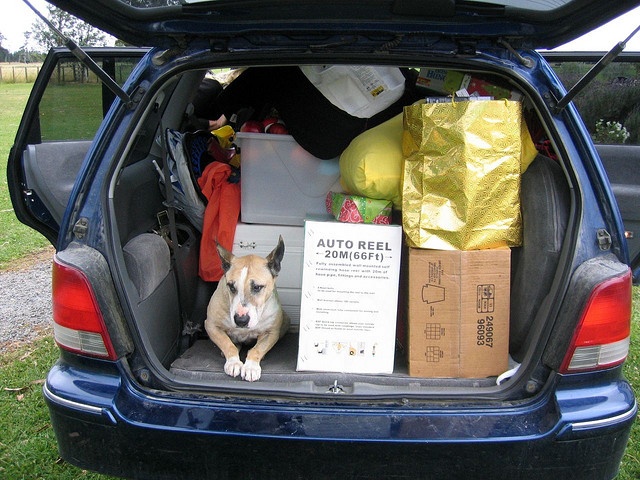
- Never leave pets in a parked car. Even with the windows cracked, temperatures can become deadly in minutes.
- Offer plenty of fresh, cool water during the move and while on the road.
- Use cooling mats, damp towels, or portable fans in crates to help keep pets comfortable.
- Watch for signs of heat stress, such as excessive panting, drooling, or lethargy, and act right away if they appear.
For a closer look at hot-weather packing and travel steps, see Moving With Pets in the Summer Heat: Packing Tips for a Safer Transition.
What Should Go in a Pet Moving Day Kit?
A pet moving day kit keeps food, medication, and comfort items within reach on a chaotic day. Pack it the same way you would pack a personal essentials box.
- Food and water bowls
- Food for several days
- Medications
- Leash, collar, and harness
- Favorite toys or blankets
- Litter and litter box, for cats
- Waste bags or cleaning supplies
- Treats for comfort and positive reinforcement
Keeping these items easy to reach reduces stress for pets and for the people caring for them during the move.
How Do You Keep Pets Secure on Moving Day?
Keep pets secure by confining them to a quiet space or arranging for someone to watch them away from the activity. Moving day brings open doors, heavy foot traffic, and unexpected noise, which gives pets a chance to slip away unnoticed.
- Confine pets to a quiet room with the door closed and a “Do Not Open” sign.
- Arrange for a trusted friend, family member, or pet sitter to watch pets during the busiest hours.
- If pets must stay with you, use a secure crate to prevent escapes.
This approach also lowers anxiety while movers come in and out of the home. For more tips on keeping pets calm through the loading process, see Moving with Pets: How to Keep Your Furry Friends Safe and Calm.
How Do You Keep the Trip Safe and Comfortable?
A safe ride depends on secure restraints, frequent breaks, and the right travel setup for the trip you are taking.
If you are driving:
- Secure pets in a crate or with a pet seatbelt harness.
- Plan for frequent breaks for water and bathroom needs.
- Never let pets ride unsecured in the back of a truck or with their heads out the window.
If you are flying:
- Check the airline’s pet travel policies.
- Avoid flights with layovers where pets may be left on the tarmac in the heat.
- Use an airline-approved pet carrier with adequate ventilation.
How Do Pets Adjust to a New Home?
Pets adjust fastest when they are introduced to a new home gradually, starting with one familiar room. Once you arrive, give pets time instead of letting them explore the whole space at once.
- Start with one room containing their familiar bedding, toys, and food bowls.
- Keep their usual feeding and walking schedule as consistent as possible.
- Supervise pets as they explore new spaces to check for safety.
- Give them plenty of love and attention during the transition.
Cats in particular may take longer to settle in, so let them acclimate at a pace that works for them.
What About Crating Services for Special Pet Items?
Aquariums, large bird cages, and delicate pet habitats often need a crate made to fit the piece. Alliance Relocation Services offers custom crating and uncrating and handling for pet habitats such as aquariums and large bird cages. Alliance Relocation Services also offers custom crating and uncrating for other specialty pieces.
A crated habitat is less likely to shift or crack in transit, which keeps the setup process calmer once pets reach the new home.
Final Thoughts
Pets rely on their people for comfort and safety, and summer moves can be hard on them without careful handling. Planning ahead, prioritizing hydration and cool temperatures, and keeping pets secure and calm can make a July move smoother for the whole family.
Request a moving quote to plan support around a summer move date.
Frequently Asked Questions
Why is a parked car dangerous for pets during a move?
Temperatures inside a parked car can become deadly within minutes, even with the windows cracked. Pets should never be left alone in a parked car on moving day.
What are the signs of heat stress in pets?
Signs of heat stress include excessive panting, drooling, or lethargy. If these signs appear, take action right away and move the pet to a cooler space with water.
How long does it take for a cat to adjust to a new home?
Cats may take longer to adjust after a move. Starting them in one room with familiar bedding, toys, and food bowls helps them acclimate at a pace that suits them.
What should I check before flying with a pet in summer?
Check the airline’s pet travel policies and weather restrictions before booking. Some airlines limit pet transport during extreme heat, and layovers can leave pets on the tarmac in high temperatures.