
Summer moving tips that work include booking early, packing strategically, dressing for heat, staying hydrated and watching for heat exhaustion symptoms. July moves add physical strain from high temperatures, so preparation matters as much as timing. These steps help you move safely and keep your family comfortable through the hottest part of the year.
Beating the heat on moving day is one part of staying comfortable all July. See Beat the Summer Heat: Keeping Your Home Comfortable During July’s Hottest Days for more ways to stay comfortable all season.
How Early Should You Book a Summer Move?
Book movers and third-party services as early as possible, since summer is the busiest moving season.
- Book movers and third-party services as early as possible.
- Aim for a weekday when demand runs lower.
- Choose an early morning slot, when temperatures stay cooler.
Early booking helps you avoid the hottest part of the day and secures the support you need for a smooth move. See Top Tips for Moving in Summer for more seasonal booking advice.
How Can You Pack Efficiently for a Summer Move?
Start packing items you won’t need right away several weeks before move day. Pack heavy items in smaller boxes to avoid overexertion in the heat.
- Start packing items you won’t need right away, several weeks in advance.
- Use smaller boxes for heavy items to reduce strain in the heat.
- Avoid packing heat-sensitive items too early if they’ll sit in a warm space, such as candles, electronics or certain cosmetics.
- Label boxes clearly and keep a separate box with items you need right away, like snacks, water, medications and toiletries.
Alliance Relocation Services offers custom crating and uncrating that can handle fragile and valuable pieces, reducing your workload and saving energy for the transition.
What Should You Wear on a Hot Moving Day?
Dress in lightweight, light-colored, breathable clothing and closed-toe shoes for safety on moving day.
- Moisture-wicking shirts help keep you cool.
- A wide-brimmed hat and sunglasses help if you’ll be outside often.
- Sunscreen with SPF 30 or higher protects your skin during outdoor tasks.
How Can You Stay Hydrated During a Summer Move?
Dehydration can bring on headaches, dizziness and fatigue, so drink water throughout moving day even when you don’t feel thirsty.
- Keep a cooler stocked with cold water bottles within reach.
- Take regular water breaks, even if you don’t feel thirsty.
- Avoid excessive caffeine or sugary drinks, which can dehydrate you further.
How Do You Keep Children and Pets Safe in the Heat?
Arrange for a friend, family member or pet sitter to watch children and pets during the move, if possible.
- If they’re staying with you, set up a cool, quiet room with snacks, toys, water and comfort items.
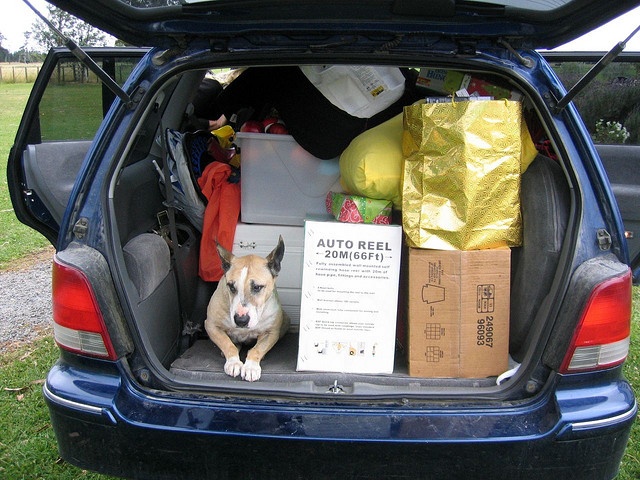
- Never leave pets in a parked car, even briefly, since temperatures rise fast and can turn fatal.
Alliance Relocation Services offers custom crating for large pet enclosures, aquariums or specialized pet furniture to protect them during transport.
Which Items Are Heat-Sensitive During a Move?
Electronics, artwork, candles and perishable items can suffer damage from extreme heat during a move.
- Transport electronics in an air-conditioned vehicle when possible.
- Avoid leaving sensitive items in hot moving trucks for long periods.
- Store artwork and valuable items in climate-controlled storage if your new home isn’t ready.
Heat and humidity can quietly damage belongings before you notice the problem. For a closer look at these risks, see How Summer Humidity and Heat Can Damage Your Belongings During a Move.
How Can You Protect Your Home During a Move?
Heat can damage hardwood floors, and heavy boxes moving in and out can scuff or dent entryways.
- Use floor coverings or old sheets to protect floors from sweat and dirt.
- Keep fans or air conditioning running to maintain airflow in your old and new homes.
- Wipe down sweaty or wet surfaces to avoid slip hazards.
What Are the Signs of Heat Exhaustion to Watch For?
Heat-related illness can develop quickly during a busy move, so watch for warning signs and act fast.
- Excessive sweating
- Dizziness or weakness
- Headache
- Nausea
If you notice these signs, stop work, hydrate, and rest in a cool area right away.
How Can Professional Movers Help With a Summer Move?
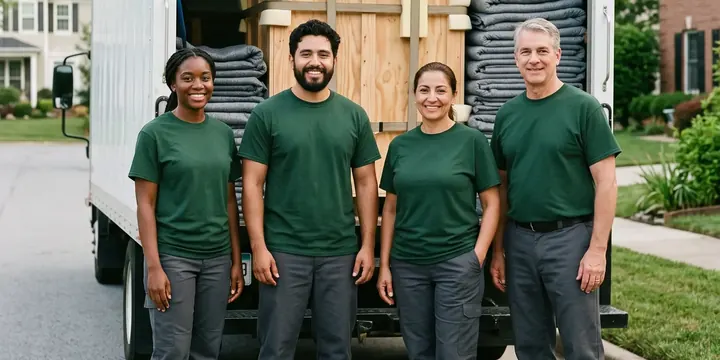
Moving in July heat can wear you down fast, but professional help can lighten the physical load. Alliance Relocation Services provides professional packing and unpacking, custom crating for fragile and valuable items, and furniture disassembly and reassembly. The company also handles appliance disconnect and reconnect, working across the United States and Canada.
Letting professionals handle these physically demanding tasks frees you up to focus on settling into your new home while staying cool and safe.
Final Thoughts
A summer move doesn’t have to bring meltdowns and misery. With proper preparation, smart packing strategies, attention to hydration, and help from trusted professionals, you can move through July without added stress.
Request a quote to see pricing and availability for your summer move.
Frequently Asked Questions
How far in advance should I book a summer move?
Book as early as possible since summer is the busiest moving season. Weekdays bring lower demand, and early morning brings cooler temperatures.
Can professional movers handle crating for a summer move?
Yes, Alliance Relocation Services offers custom crating and uncrating that protect fragile and valuable items like art, mirrors and antiques. Alliance Relocation Services sends insured, background-checked technicians to handle this work alongside your moving company.
How quickly can I get a quote for summer moving help?
Most quotes come back within minutes. Larger or unusual jobs may take until the next business day.
How does appliance disconnect and reconnect service help during a move?
Alliance Relocation Services offers appliance disconnect and reconnect service for washers, dryers and other appliances. This helps prevent injury and extra hassle.
What should I pack for immediate use on moving day?
Pack items you’ll need right away, such as snacks, water, medications and toiletries. Label this box clearly so it’s easy to find.