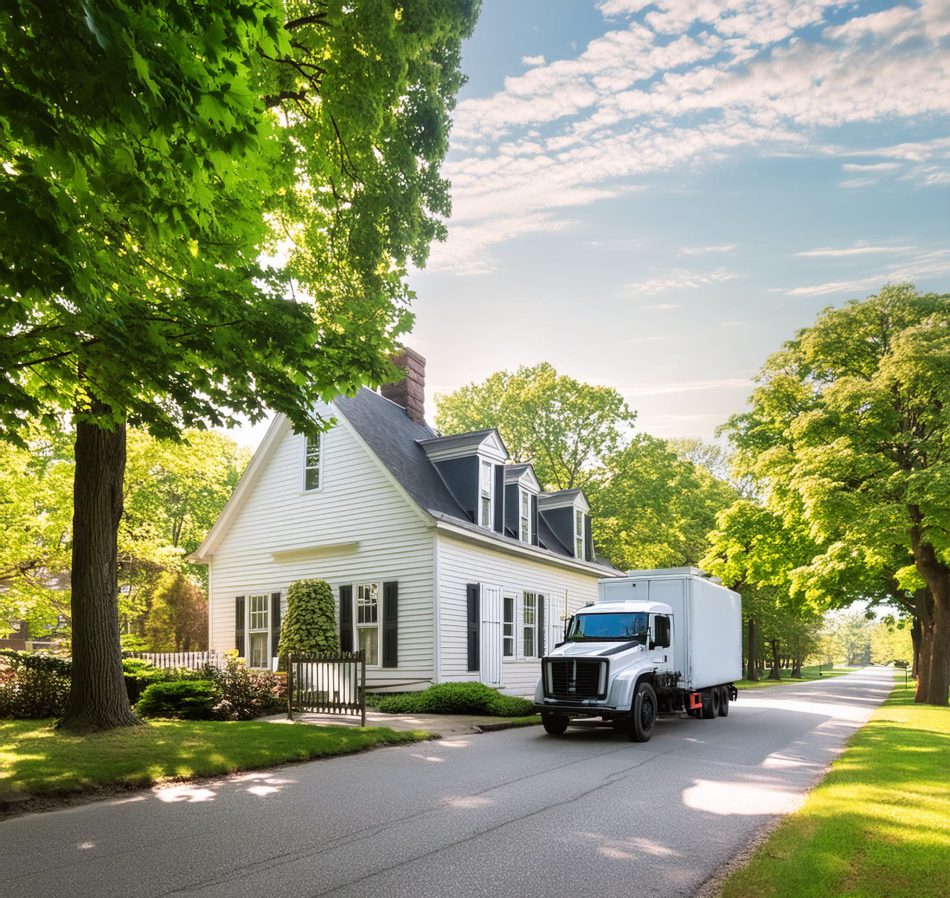

Moving safety in autumn means clearing wet leaves and debris, wearing non-slip shoes, protecting boxes from rain, and finishing loading before dark. Fall brings slippery leaves, shorter daylight, and sudden rain that raise the risk of falls on moving day. Planning ahead, protecting belongings, and creating a safe path for all involved keeps a fall move smooth and secure.
Why Does Autumn Require Extra Caution During a Move?
Autumn moving requires extra caution because wet leaves, rain, early sunsets, and sudden frost raise the risk of slips and falls. Summer moves rarely face these hazards.
- Wet leaves act like ice and create slippery surfaces on sidewalks, stairs, and driveways.
- Rain makes ramps, wooden decks, and steps slick and raises accident risk.
- Early sunsets reduce visibility, making it harder to see obstacles when unloading late in the day.
- Cold snaps bring frost, and icy patches can form unexpectedly in some regions.
These conditions become manageable with planning ahead.
How Do You Clear Pathways Before a Move?
Clearing driveways, sidewalks, and stairs before moving day removes slipping hazards and keeps dirt out of the house. Check all outdoor pathways before movers arrive.
- Rake leaves and debris to prevent slipping and keep dirt from being tracked indoors.
- Apply sand or salt if frost is expected, especially in colder climates.
- Trim back wet branches that could brush against boxes or create tripping hazards.
Wide, clear walkways let everyone carry items safely from house to truck.
How Do You Keep Floors Dry Indoors on Moving Day?
Keeping floors dry indoors prevents slips while movers carry heavy furniture through the house. Moisture tracked in from outside creates hazards just as serious as outdoor conditions.
- Lay down plastic sheeting or tarps in entryways to catch water and mud.
- Use non-slip mats or rugs at doorways for added traction.
- Keep old towels on hand to mop up puddles as they appear.
This step protects movers and floors alike.
What Should You Wear for a Safe Fall Move?
Closed-toe, non-slip shoes, layered clothing, and gloves reduce the risk of slips and injuries on moving day. What you wear matters as much as how you lift.
- Wear closed-toe, non-slip shoes such as sneakers or boots with strong tread. Avoid sandals or slick dress shoes.
- Layer clothing since fall weather can change quickly throughout the day.
- Use gloves to improve grip on wet boxes and protect hands from sharp edges.
A safe outfit sets you up for success before you lift a single box.
How Do You Protect Boxes and Furniture From Moisture?
Wrapping furniture and lining boxes with plastic keeps rain and wet leaves from soaking cardboard and weakening it. Dry boxes hold their shape and stay easier to carry.
- Wrap furniture in moving blankets and plastic to prevent water damage and slippery surfaces.
- Line boxes with trash bags so a simple plastic liner keeps contents dry.
- Use plastic bins for fragile or valuable items since they hold up better in damp conditions.
For heavy or delicate pieces, see Alliance specialty moving services.
How Do You Handle Low Visibility During a Fall Move?
Scheduling your move earlier in the day and setting up extra lighting helps you see cords, uneven surfaces, and stray boxes. Shorter fall days make visibility a real hazard.
- Schedule your move earlier in the day and aim to finish before dusk.
- Set up outdoor lighting such as portable lamps or motion-sensor lights.
- Keep flashlights handy in case unloading runs later than expected.
Good lighting makes a big difference in safety and speed. See Preparing for an Autumn Move: Tips for Dealing with Shorter Days and Unpredictable Weather.
What Are Safe Lifting and Carrying Techniques for Moving Day?
Lift with your leg muscles, avoid overloading, and use moving equipment to protect your back and prevent falls. Safe technique matters as much as safe footing.
- Lift using your leg muscles, keep your spine straight, and bend at the knees.
- Carry manageable loads even if it takes more trips.
- Use moving equipment like dollies and straps to reduce strain on uneven ground.
Professional movers train in these techniques, which is one reason many people hire them for fall moves.
How Do You Plan for Unpredictable Autumn Weather?
Checking the forecast daily, keeping tarps and umbrellas on hand, and building extra time into your schedule helps you adapt to sudden weather changes. Autumn weather shifts quickly.
- Check the forecast daily in the week leading up to your move.
- Have tarps, umbrellas, and plastic sheeting on hand for quick cover if showers roll in.
- Build in extra time since rain or slippery conditions can slow the process.
Flexibility helps you avoid rushed mistakes. See Weatherproofing Your Move: Strategies for Managing Snow, Ice, and Rain.
When Should You Consider Professional Movers for Fall Safety?
Trained movers know how to handle wet weather, protect belongings, and load safely when conditions turn hazardous. Professional help reduces risk on a tricky moving day.
Alliance Relocation Services works alongside moving companies across the United States and Canada, handling specialty crating, furniture disassembly and reassembly, and appliance hookups at origin and destination. Insured, background-checked technicians use equipment and techniques designed to minimize slips, trips, and weather damage.
For moves running into colder months, see Winter Moving Tips: How to Safely Relocate in Cold Weather.
Request a moving quote in minutes.
Final Thoughts
Moving in the fall offers crisp air, beautiful scenery, and a fresh start before the holidays. But autumn also brings safety risks that can’t be ignored.
Clearing walkways, dressing properly, protecting boxes and furniture, and preparing for unpredictable weather helps you avoid slips, trips, and other hazards. Whether you’re moving across town or across the country, safety should come first.
If you’d rather not handle the risk alone, professional specialty movers can help make your move safer, no matter the season.
Frequently Asked Questions
What causes most slip and fall accidents during a fall move?
Wet leaves and rain create the most slip hazards during a fall move, since they make sidewalks, stairs, and ramps slick.
What shoes are best for moving day in autumn?
Closed-toe, non-slip shoes with strong tread, like sneakers or boots, work best. Avoid sandals or slick dress shoes.
How can you protect moving boxes from rain damage?
Line boxes with trash bags, wrap furniture in moving blankets and plastic, and use plastic bins for fragile items.
Why do shorter fall days matter for moving safety?
Shorter days reduce visibility, making it harder to see cords, uneven surfaces, or stray boxes while unloading late in the day. Scheduling moves earlier and adding outdoor lighting helps offset this risk.
Should you hire professional movers for a fall move?
Trained, insured movers know how to handle wet weather conditions and use equipment that reduces slip and trip risks on moving day.