
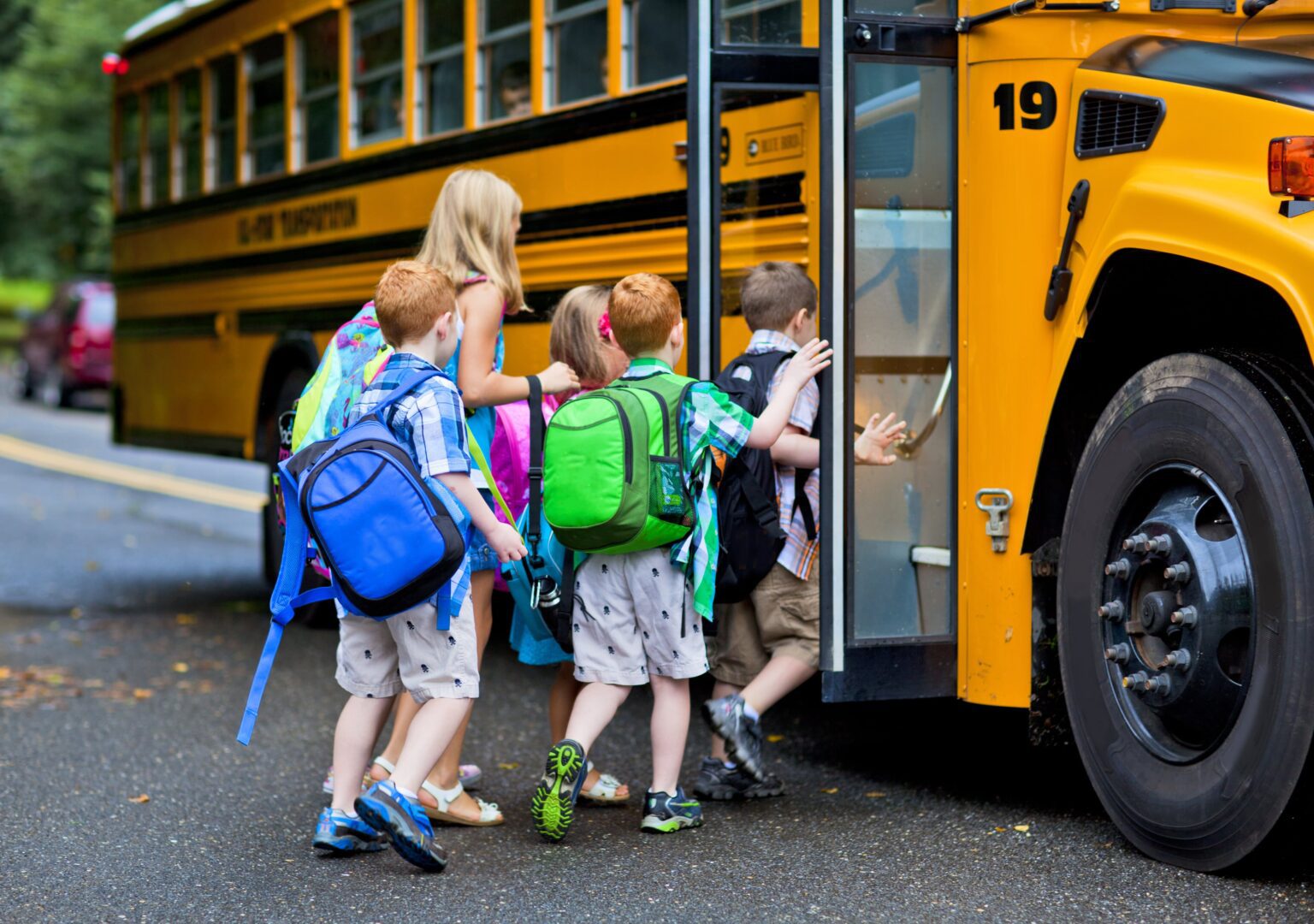
Moving with school-age children during back-to-school season takes extra planning, but the right steps keep education on track. Scheduling the move before the term starts, contacting the new school early, and keeping routines steady all help kids start the year grounded. The right support team makes the transition easier for the whole family.
When should you schedule a move around the school calendar?
Schedule your move 1 to 2 weeks before the new school year begins when possible. This timing gives your child room to adjust before classes start.
A move in this window lets your child:
- Adjust to the new home and surroundings
- Visit the school, meet teachers, and find their classroom
- Make friends in the neighborhood
- Start the year feeling grounded and prepared
If you can’t move before the first day, many families relocate mid-August or mid-semester instead. Talk with both schools and give your child extra support during the switch. For tips on timing a move around other parts of the year, see Fresh Start: How to Perfectly Time Your Move This Spring.
How do you contact the new school after a move?
Contact the new school’s registrar or main office as soon as your move is confirmed. The new school has a process for registration, placement, and records transfer.
Ask the school for:
- A list of required documents, such as proof of address, immunization records, and previous school records
- Any placement assessments or deadlines
- School supply lists, uniform rules, bus routes, and important dates
Starting this process early helps your child catch orientation events and arrive ready on the first day.
How do you schedule a visit to the new school?
Arrange a visit to the new school before the move if you can, even a virtual one. Familiarity with the space lowers first-day nerves.
A visit might include:
- A campus tour
- A meeting with a guidance counselor or homeroom teacher
- A walk-through of the daily route, including locker, classroom, and cafeteria
- A preview of extracurricular activities or sports programs
Many schools offer virtual tours or parent orientation videos when an in-person visit isn’t possible. Explore the school’s website together so your child knows what to expect.
How do you maintain academic continuity after a move?
Request your child’s school records and current progress report for the new school. Curriculum requirements can differ between districts and states.
Steps that help bridge the gap:
- Ask the new school if your child needs tutoring or a curriculum adjustment
- Encourage summer reading or math review between schools
- Use online resources to preview upcoming content, especially for older students
For high schoolers, loop in the new school’s academic advisor early so credits and graduation requirements transfer smoothly.
How do you keep kids involved in the moving process?
Give your child a sense of control over the move to lower their anxiety. Involvement turns the move into a shared project instead of something that happens to them.
Ways to involve kids:
- Let them pack their room and label boxes
- Let them decorate or plan their new space
- Research the new school or neighborhood together
- Create a moving-day playlist or an adventure box with favorite items
- Plan something fun after the move, like a shopping trip or ice cream outing
Kids who feel involved tend to approach change with curiosity instead of fear.
How can third-party services lighten the load during a school-year move?
Juggling moving logistics with school registrations, immunizations, and back-to-school shopping adds up fast. Alliance Relocation Services offers support that handles the technical parts of a move.
Alliance Relocation Services provides:
- Furniture disassembly and reassembly for beds, desks, and shelving
- Disconnect and reconnect services for TVs, computers, and appliances
- Custom crating for delicate items like electronics, musical instruments, or artwork
- Storage coordination for items you aren’t ready to unpack
Alliance Relocation Services works across the United States and Canada, handling these tasks so you can focus on your child’s emotional and academic adjustment. See all Alliance specialty moving services for the complete list.
How do you build a new routine quickly after moving?
Set a clear daily rhythm as soon as you move in. A steady routine helps your child feel confident during the transition.
Steps to establish a new rhythm:
- Set consistent wake-up and bedtime routines
- Walk or drive the route to school in advance
- Prep lunch and school supplies the night before
- Use a family calendar to track new school events
The faster your family finds its rhythm, the calmer your child will feel.
How do you recognize the emotional impact of moving on kids?
Moving can cause anxiety, sadness, or irritability in kids, even in the best scenarios. Watching for common signs helps you respond early.
Signs of stress include:
- Trouble sleeping
- Withdrawing from activities
- Acting out or regressing behaviorally
- School refusal or clinginess
Give your child space to talk about the friends they left behind. Help them stay in touch through video chats, letters, or planned visits. For more ways to help kids settle into a new home and school, read Back-to-School Moves: Helping Children Adjust to a New Home and New School.
How do you celebrate the moving milestone?
Mark the new chapter with a small milestone ritual once the move is behind you. Moving is a big deal for parents and kids alike.
Ideas for celebrating:
- Take a first-day-of-school photo in the new house
- Host a backyard pizza night to meet new neighbors
- Make a scrapbook or time capsule to remember the move
These small celebrations turn a stressful transition into a lasting family memory.
Moving with school-age children goes smoother with a plan and the right support. Request an estimate for crating, furniture disassembly, and other specialty moving services from Alliance Relocation Services before your move date. For families moving during warmer months, Moving with Kids in the Summer: Tips to Keep Everyone Sane covers more seasonal tips.
Frequently Asked Questions
What is the best time to move with school-age children?
Moving 1 to 2 weeks before the school year starts gives kids time to adjust before classes begin. If that timing isn’t possible, many families move mid-August or mid-semester and give extra support to their child.
What documents does a new school need after a move?
Schools typically ask for proof of address, immunization records, and records from the previous school. Contact the registrar or main office as soon as the move is confirmed to learn the exact requirements.
How can parents spot signs of moving-related stress in kids?
Common signs include trouble sleeping, withdrawing from activities, acting out, and clinginess or school refusal. Give your child space to talk about the friends they left behind, and help them stay in touch.
Can Alliance Relocation Services help during a back-to-school move?
Yes. Alliance Relocation Services offers furniture disassembly and reassembly, appliance disconnect and reconnect, custom crating, and storage coordination across the United States and Canada.