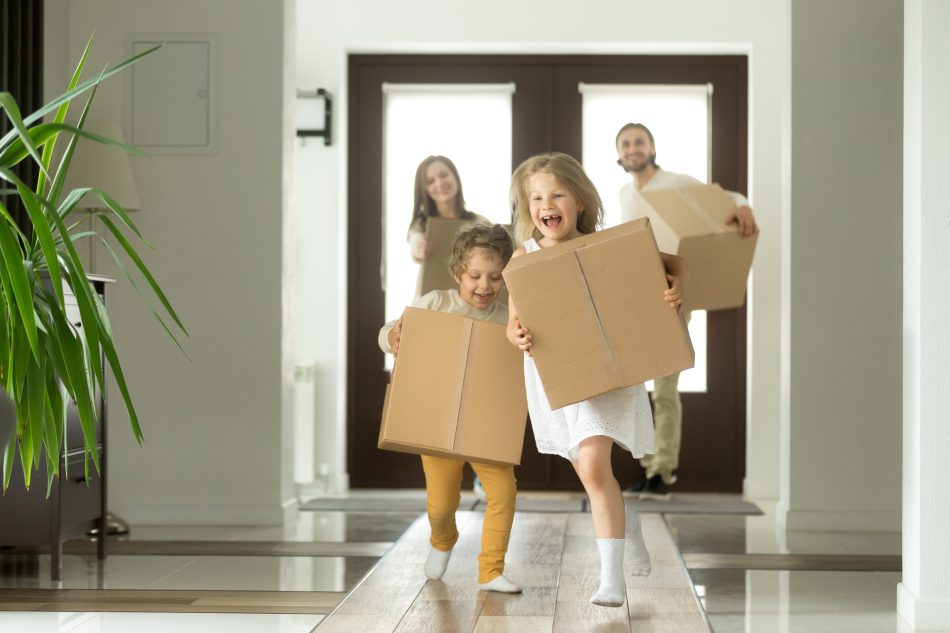

Helping children adjust to a back-to-school move means talking early, keeping routines steady, and settling into the new home and school quickly. Moving before the school year starts lets kids begin with classmates who are also learning new routines. With planning and patience, parents can help children feel secure through the transition and start the year with confidence.
Why Is Moving Before School an Advantage?
Moving before school starts lets children begin the year alongside classmates who are also learning new routines. That timing makes friendships and confidence easier to build than a mid-year move.
Children begin the year with a clean slate. Everyone is learning classroom expectations, meeting new teachers, and forming friendships, so new students grow alongside their classmates from day one rather than trying to join groups that already formed.
Teachers also pay close attention during the opening weeks of school. They are learning about students’ personalities, strengths, and learning styles, which makes it easier to support a child who is settling into a new environment.
See our related guide, Back-to-School Moves: How to Relocate Without Disrupting Your Child’s Education, for more on timing a move around the school calendar.
How Do You Talk to Kids About a Move?
Children often imagine situations worse than reality when they do not know what is happening. As soon as plans become firm, start talking openly about the move.
Explain why the family is relocating and point to the positive opportunities ahead. Depending on age, kids may ask questions such as:
- Will I make new friends?
- What will my new school be like?
- Can I still talk to my old friends?
- Will my bedroom look the same?
- Will my favorite toys come with us?
Answer honestly while offering reassurance. If an answer isn’t known yet, say so, then work together to find it.
How Can Children Help With the Move?
Feeling powerless is one of the biggest stressors during a move. Letting kids take part in age-appropriate decisions helps ease that feeling.
Children might help:
- Choose paint colors for their bedroom.
- Decide how to arrange furniture.
- Pack their favorite belongings.
- Label boxes.
- Choose decorations for their new room.
These small choices create a sense of ownership and excitement about the move. Our guide, Moving with Kids: How to Make Relocation Family-Friendly, covers more ways to involve kids in planning.
Why Keep Familiar Routines During a Move?
Maintaining familiar routines helps children feel grounded while the rest of their world changes. Even during the busiest weeks, try to keep these consistent:
- Bedtimes
- Family meals
- Weekend activities
- Reading before bed
- Family movie nights
- Morning routines
Predictability creates emotional stability, especially when so many other things feel uncertain.
What Goes in an Open-First Box?
An open-first box or suitcase holds familiar comforts so kids have them ready on the first night in a new home. The first evening can feel overwhelming without them.
Pack a box or suitcase for each child containing:
- Favorite stuffed animals
- Blankets
- Pajamas
- Favorite books
- Small toys
- Tablet chargers
- Night lights
- Toothbrushes
- School supplies
Knowing these items are ready right away helps reduce anxiety during the first few nights.
Should You Visit the New Neighborhood First?
Spending time exploring the new community before school begins helps children feel more comfortable in their surroundings. Walk through the neighborhood together and visit:
- Local parks
- Ice cream shops
- Libraries
- Community centers
- Walking trails
- Sports fields
Many schools also let families tour campus before classes begin. Seeing classrooms, cafeterias, playgrounds, and bus loading areas can reduce first-day jitters quite a bit.
How Do You Help Kids Say Goodbye?
Saying goodbye matters as much as arriving somewhere new. Children benefit from acknowledging what they are leaving behind before they can look ahead.
Encourage them to:
- Visit favorite places one last time.
- Take photos with friends.
- Exchange phone numbers or social media, when age appropriate.
- Create a scrapbook.
- Write letters to friends.
- Have a farewell party.
Helping children process the ending makes the beginning easier to embrace.
How Do You Make a New House Feel Like Home Quickly?
Children often feel settled once their bedroom feels familiar. Set up kids’ rooms first whenever possible.
Arrange furniture similarly to the previous home if they prefer it that way. Display favorite artwork, family photos, sports trophies, stuffed animals, and decorations as soon as possible.
When personal space feels recognizable, the entire home feels less intimidating.
How Do You Prepare for the First Day of School?
The first morning sets the tone for the rest of the school year. Reduce unnecessary stress by preparing in advance:
- Lay out clothes the night before.
- Pack backpacks early.
- Know the school route.
- Arrive a little early.
- Eat breakfast together.
Small acts of preparation create confidence for parents and kids alike. The guide Moving with Kids: A Family-Friendly Relocation Guide covers more ways to settle into a new routine.
What Are Signs of Moving Stress in Kids?
Children do not all express anxiety the same way. Some become quiet, others grow emotional, and some seem unusually energetic or irritable.
Common signs include:
- Trouble sleeping
- Changes in appetite
- Complaints of headaches or stomachaches
- Increased clinginess
- Difficulty concentrating
- Mood swings
These behaviors are often temporary and improve as children build new friendships and routines.
How Can Kids Make New Friends After a Move?
Making friends is often a child’s biggest concern about a move. Parents can help by encouraging ways to meet peers outside the classroom.
Consider:
- Youth sports
- Church groups
- Scouts
- Music lessons
- Community events
- Neighborhood parks
- School clubs
One new friendship can raise a child’s confidence during the transition by a wide margin.
How Long Does It Take Kids to Adjust?
Children adjust at different speeds. Some feel comfortable within days, while others need several months before the new house truly feels like home.
Avoid comparing siblings or expecting quick enthusiasm. Instead, celebrate small milestones:
- Their first new friend.
- Their first invitation to a birthday party.
- Their first successful school project.
- Their favorite neighborhood park.
- The first time they call the new house “home.”
These moments show that roots are starting to grow.
How Can You Reduce Moving Day Stress?
Children pick up on adult emotions quickly. An organized moving day keeps everyone calmer.
Professional movers can make a real difference by handling:
- Furniture protection
- Loading
- Transportation
- Heavy lifting
- Efficient unloading
Experienced movers act as partners for the day, handling logistics so parents can focus on supporting their kids emotionally.
Who Can Help With the Heavy Lifting?
Alliance Relocation Services provides professional packing, furniture disassembly and reassembly, and careful furniture protection for families across the United States and Canada. That support lets parents focus on helping kids adjust emotionally and academically.
Whether a move crosses town or crosses the country, specialty technicians handle the technical parts of the day so the family can focus on the next chapter. See all Alliance specialty moving services for the full list of options.
Starting a new school year already brings plenty of excitement and anticipation. Request a moving quote to plan the move around your child’s school schedule.
Frequently Asked Questions
How fast can we get a moving quote from Alliance Relocation Services?
Most quotes come back within minutes. Large or unusual jobs may take until the next business day.
Does Alliance Relocation Services drive the moving truck?
The moving company loads and drives the truck. Alliance technicians handle specialty work like crating, disassembly, and appliance hookups at origin and destination.
What specialty moving services help with a back-to-school move?
Services include custom crating, TV and electronics packing, appliance disconnect and reconnect, furniture disassembly and reassembly, and unpacking. Pianos, pool tables, and grandfather clocks get a condition report before and after the move.
Are the technicians insured and background-checked?
Yes, technicians are insured and pass a background check before working in a home.