
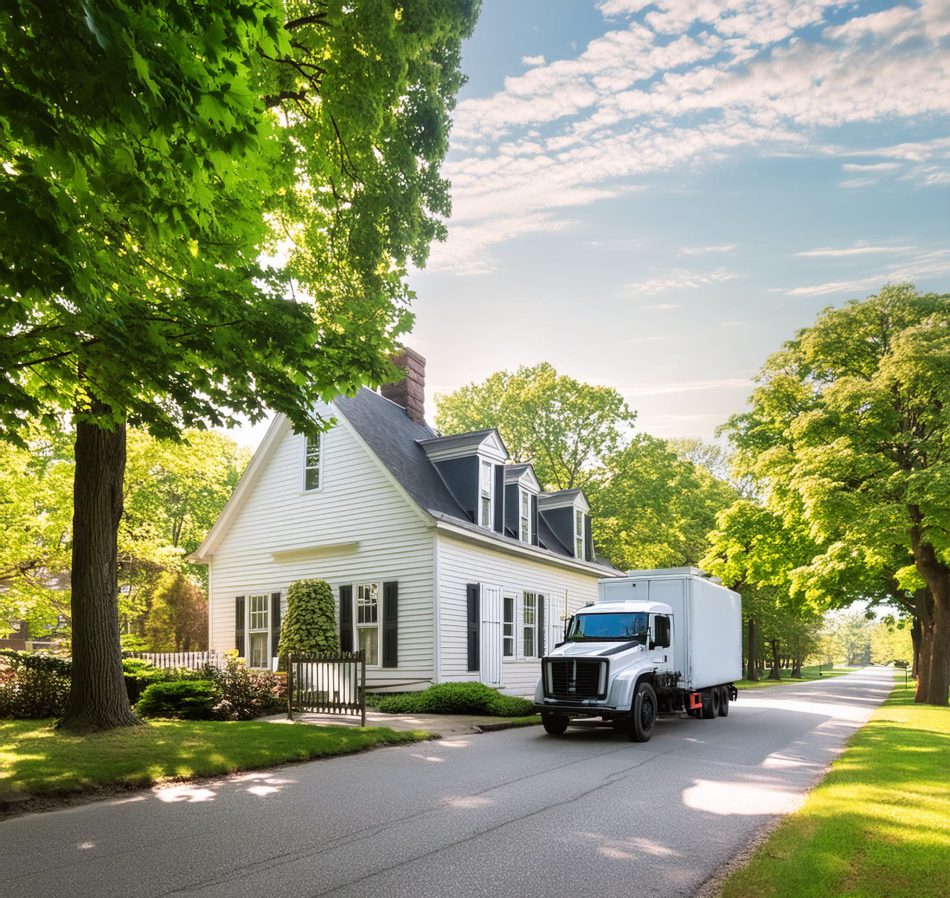
Protecting belongings from rain during a move means using waterproof packing materials, covering furniture, loading the truck in a smart order, and drying items quickly after arrival. Fall weather can turn clear skies into sudden rain, putting boxes, furniture, and electronics at risk. A few simple steps keep everything dry and safe from start to finish.
What packing materials protect belongings from rain during a move?
Cardboard boxes are standard for moving, but they are not waterproof. Water can seep into boxes and damage what’s inside on a rainy moving day. To protect your belongings, choose the right materials:
- Use plastic bins for valuables and electronics. Clear containers resist water and work well for items that cannot risk moisture exposure. See how TVs and electronics get packed for extra protection.
- Line boxes with trash bags. Place items inside a bag first, then close it before sealing the box. This creates a waterproof barrier.
- Invest in stretch wrap. Plastic stretch wrap secures and waterproofs furniture, mattresses, and upholstered items, keeping moisture out of fabrics.
The right packing materials create a strong first line of defense against rain.
How do you reinforce boxes against rain?
Rain weakens cardboard quickly, so reinforcing boxes matters. Double up on packing tape, especially along seams and edges. Waterproof packing tape or duct tape adds an extra layer of protection. Label boxes on the sides instead of the top. If the top gets damp, you will still know what’s inside.
How do you protect furniture from moisture during a move?
Large items like couches, mattresses, and wooden furniture are especially vulnerable to moisture. Fabric can absorb rainwater and develop mold, while wood can swell, warp, or stain. To prevent damage:
- Use plastic mattress covers. Most moving supply stores carry them, and they shield beds from water and dirt.
- Cover furniture with moving blankets, then wrap it in plastic. The blanket cushions the item, and the plastic wrap locks out moisture.
- Shrink wrap fragile wood items. Chairs, tables, and shelving benefit from a layer of shrink wrap over blankets.
With these covers, furniture arrives at the new home in the same condition it left.
How should you load the truck during a rainy move?
On a rainy day, the order you load items in matters. Keep water-sensitive belongings, like electronics, important papers, or wooden furniture, ready to load first so they spend less time outside. Use tarps to cover items temporarily while waiting to load.
When unloading, reverse the process. Bring items inside quickly, drying them off with towels if needed before unpacking.
How do you protect floors during a rainy move?
Rain can also track water, mud, and leaves into the home. Protect floors by laying down:
- Plastic sheeting or tarps in entryways and hallways.
- Non-slip mats to prevent accidents.
- Old towels or rugs to absorb excess water.
This keeps homes clean and reduces the risk of slips while moving heavy items.
What should be in a rain kit for moving day?
Even with preparation, some moisture is inevitable. Keep a rain kit nearby that includes:
- Towels for drying off items as they come inside.
- Extra tarps or plastic wrap for last-minute protection.
- A few umbrellas to shield movers carrying smaller boxes.
A little preparation goes a long way when rain starts falling mid-move.
How does checking the weather forecast help with a rainy move?
Checking the weather forecast lets you plan ahead for rainy conditions. Keep an eye on local forecasts leading up to moving day. If heavy rain is predicted and you have some flexibility, consider shifting the move by a day or a few hours. Many moving companies work with clients to adjust schedules when weather becomes a concern. See more ways to handle snow, ice, and rain on moving day.
Why use professional packing and moving services for a rainy move?
Letting professionals handle packing and transport is one of the best ways to protect belongings during a rainy fall move. Experienced movers know how to load quickly, protect items with proper materials, and keep items dry even when conditions are less than ideal.
At Alliance Relocation Services, professional packing and crating services help keep items safe from rain, humidity, and other environmental hazards. Technicians work across the United States and Canada to help electronics, artwork, and furniture arrive in good condition. For more on how pros handle wet weather, see what professional movers do differently in cold or rainy conditions.
How do you dry and inspect belongings after a rainy move?
Once everything is unloaded, check belongings right away for any signs of dampness. If you find moisture:
- Unpack wet items immediately.
- Dry surfaces with towels or fans.
- Use a dehumidifier in the room if needed.
Catching moisture quickly prevents long-term problems like mold, mildew, and water stains.
Final Thoughts
Fall can be one of the best seasons to move. Cooler temperatures, less competition for moving services, and the chance to settle in before the holidays make it appealing. Unpredictable rain can still pose challenges without preparation.
Waterproof packing materials, properly covered furniture, protected floors, and professional movers help safeguard belongings from rain and moisture. For more fall-specific tips, see preparing for an autumn move with shorter days and unpredictable weather.
Request a moving quote to plan a move that stays dry and smooth from start to finish.
Frequently Asked Questions
What is the best way to keep moving boxes dry in the rain?
Line boxes with trash bags before sealing them, and use plastic bins for valuables and electronics. Double-tape seams and edges for extra protection against moisture.
Can furniture be damaged by rain during a move?
Yes. Wood can swell, warp, or stain, and fabric can absorb rainwater and develop mold. Covering furniture with moving blankets and plastic wrap helps prevent this damage.
Should you move on a rainy day?
Moving on a rainy day is possible with the right preparation, like waterproof packing materials and furniture covers. Checking the forecast ahead of time helps you plan flexible timing if needed.
What should go in a moving day rain kit?
A rain kit should include towels, extra tarps or plastic wrap, and a few umbrellas. These supplies help dry off items and protect boxes during last-minute downpours.
How do professional movers handle rain during a move?
Professional movers load quickly, use proper waterproof materials, and keep items dry even in poor conditions. Experienced movers also offer packing and crating services designed to protect belongings from rain and humidity.