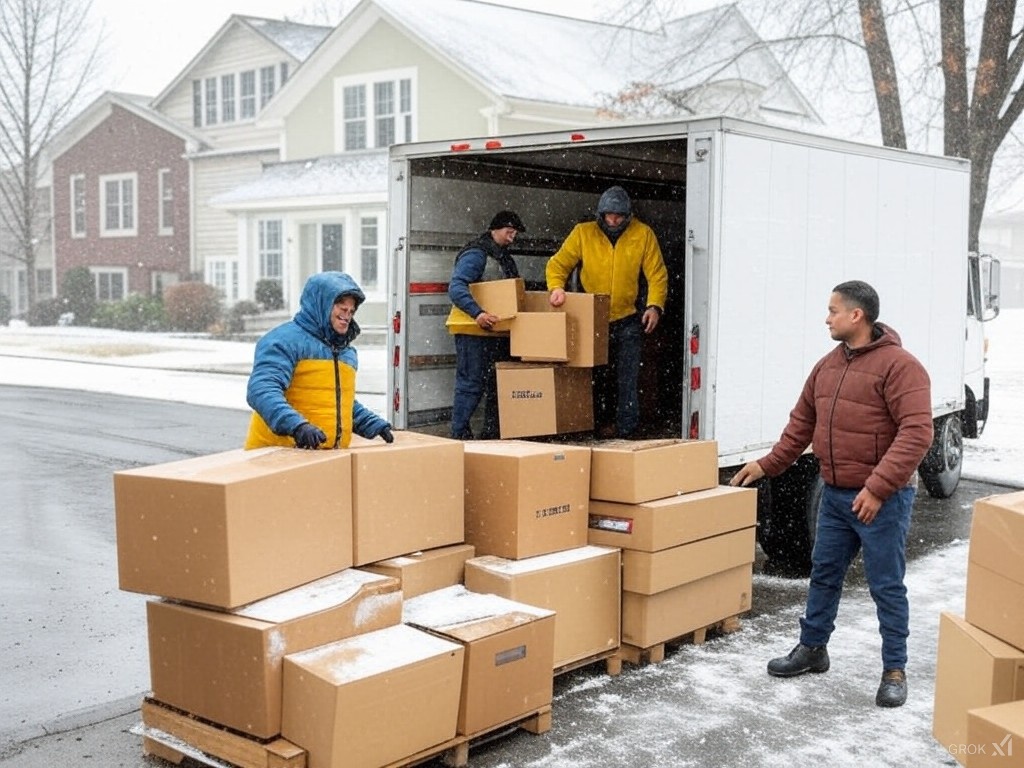
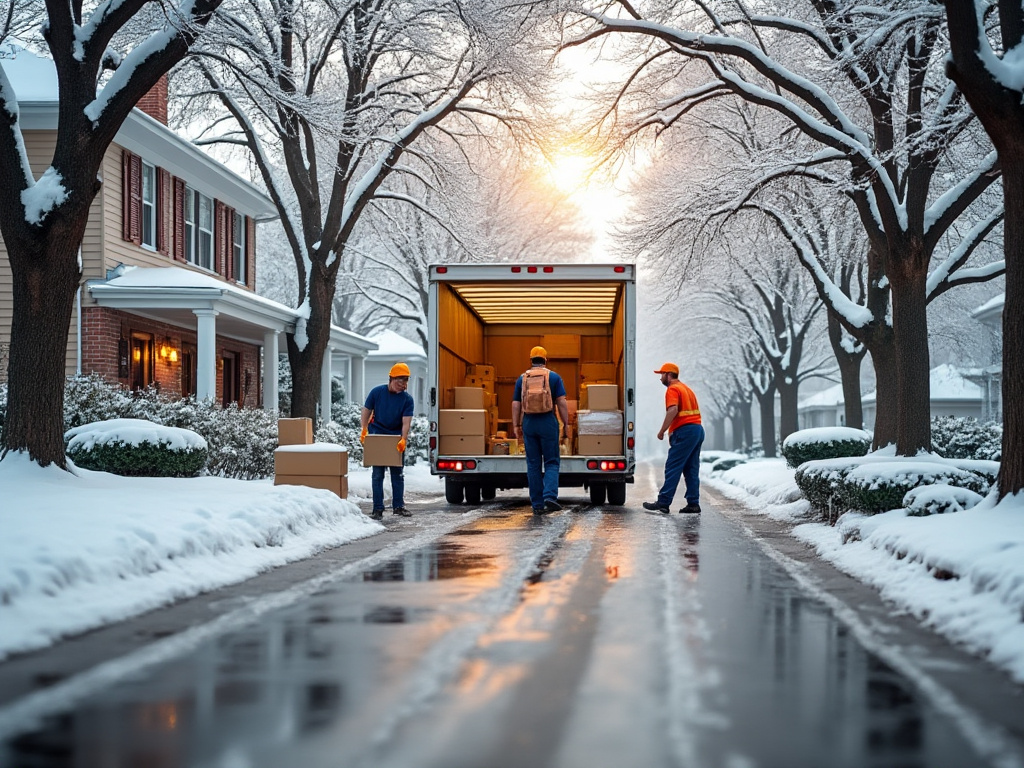
Weatherproofing a winter move means planning around snow, ice and rain so moving day stays safe and on schedule. Homeowners can protect floors, pack items against moisture, clear outdoor paths and check the forecast ahead of time. A few proactive steps keep a cold-weather move running smoothly from start to finish.
How Do You Watch the Forecast and Plan for a Winter Move?
Keeping an eye on the forecast is the first step to a smooth move in chilly or wet conditions. Homeowners moving locally may be able to adjust the schedule slightly to avoid major storms or extreme cold.
If the move date is set and cannot change, use the forecast to prepare. Have a plan for shoveling and salting pathways if snow is likely. Stock up on waterproof supplies, like tarps or plastic sheeting, if rain is in the forecast.
How Do You Protect Floors and Entrances During a Winter Move?
Foot traffic in and out of a home can track in snow, mud and moisture, creating a slippery and hazardous environment. Heavy-duty mats at entry points help reduce this risk.
- Cover floors with drop cloths or plastic sheets in high-traffic areas, especially where movers and family walk back and forth.
- Keep a supply of salt or sand by the door on snowy or icy days to prevent slick spots.
These steps protect the flooring and the people moving through it. For more, see Moving Safely: Avoiding Slips, Trips, and Weather Hazards in Autumn.
How Do You Weatherproof Your Packing for a Winter Move?
Protecting belongings matters most in wet or snowy conditions. Wrap fragile items in plastic before packing them into boxes to guard against moisture.
- Double-tape the bottom of boxes so they don’t weaken from dampness if set on wet surfaces.
- Use plastic bins for items that can be damaged by water or cold, like electronics or documents.
- Keep towels and tarps handy to cover furniture quickly if weather worsens during loading or unloading.
For more, see How to Protect Your Belongings From Rain and Moisture During a Fall Move.
How Do You Clear and Prepare Outdoor Pathways Before a Move?
Outdoor areas like driveways, sidewalks and entry steps need extra care to prevent accidents.
- Shovel snow and clear ice from pathways leading to the moving truck.
- Apply salt or sand to improve traction and reduce the risk of slipping.
- Remove loose branches or overhanging ice that might fall onto paths during the move.
Clearing and salting these areas ahead of time makes a real difference in safety and ease of movement on moving day.
How Much Extra Travel Time Should You Plan for a Winter Move?
Weather conditions can slow down travel, and navigating icy or slushy roads requires caution. Plan for extra travel time on both short and long-distance moves.
If hiring a moving company, confirm they have accounted for potential delays due to weather. A buffer in the timeline reduces stress and keeps things on track, even when weather doesn’t cooperate.
How Do You Prepare a Vehicle for Winter Travel on Moving Day?
Winterizing a personal vehicle or rental truck helps it handle cold-weather travel safely.
- Check tire pressure and tread to confirm safe traction.
- Top up windshield washer fluid with a winter formula that handles freezing temperatures.
- Pack an emergency kit with blankets, flashlights and extra water, especially for long-distance moves.
A well-prepared vehicle reduces the risk of breakdowns and helps handle unexpected weather changes on the road. For more, see Winter Moving Tips: How to Safely Relocate in Cold Weather.
What Should Go in a Warm Moving Day Kit?
A moving day essentials kit makes a real difference on a chilly moving day. Along with snacks, water and important documents, pack items that help everyone stay warm and comfortable.
- Hand warmers and extra gloves for anyone working outside.
- Warm beverages in a thermos, like coffee, tea or hot chocolate.
- Extra layers and a blanket in case of delays.
A little extra warmth makes a cold move more bearable and keeps spirits up during a long day.
Why Work with Movers Experienced in Cold-Weather Moves?
Choosing a moving company with experience in winter conditions can be a valuable asset. Professional movers who know how to handle snow, ice and rain bring the right equipment and strategies to the job.
Alliance Relocation Services works alongside moving companies across the United States and Canada to handle specialty work at origin and destination. Alliance handles specialty crating, furniture disassembly and reassembly, appliance hookups and unpacking at origin and destination. Alliance Relocation Services uses insured, background-checked technicians to handle the specialty work at origin and destination. See Alliance’s specialty moving services for the full list of options.
Ready to Plan a Weatherproof Winter Move?
Moving in winter brings extra considerations, but the right preparation makes snow, ice and rain manageable. Watching the weather, preparing pathways and protecting belongings set up a smooth, successful move.
Request a moving quote for Alliance specialty moving services.
Frequently Asked Questions
What makes floors and pathways slippery during a winter move?
Snow, mud and moisture make floors and pathways slippery and hazardous during a winter move. Mats, salt and sand help reduce this risk.
How can you protect electronics during a winter move?
Pack electronics in plastic bins to guard against water and cold temperatures. Double-taping the bottom of boxes adds extra protection against dampness.
Should you reschedule a move if a storm is forecast?
Rescheduling can help if the move date is flexible and a major storm is in the forecast. If the date is set, use the forecast to prepare pathways and packing in advance.
What should you keep in the vehicle during a winter move?
Pack an emergency kit with blankets, flashlights and extra water for the vehicle. Checking tire pressure and tread before the trip also helps with safe traction.
Why hire movers experienced in cold-weather conditions?
Movers experienced in cold-weather moves bring equipment and strategies suited to snow, ice and rain. Alliance Relocation Services works alongside moving companies across the United States and Canada to handle this specialty work at origin and destination.