
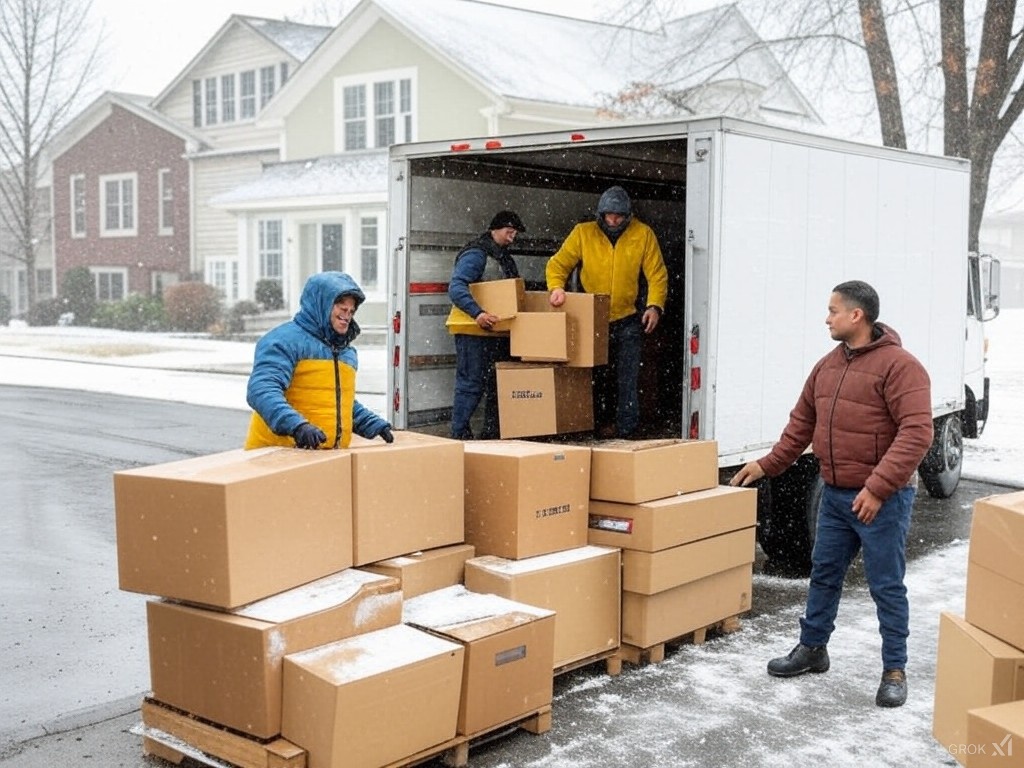
Winter moving tips focus on checking the forecast, hiring experienced help, protecting belongings from the cold and clearing ice from walkways. A safe cold weather move also means packing winter supplies, dressing for conditions, confirming utilities beforehand and starting early while daylight is short. These steps keep a move smooth across the United States and Canada.
How often should I check the weather forecast?
Check the weather forecast often as your move date gets closer. Winter weather can change fast, and conditions that look fine today might turn icy tomorrow.
If a major storm is predicted, consider moving your date to a clearer day. For more on timing a cold weather move around the forecast, see Cold Weather, Smooth Moves: How to Prepare for a Winter Relocation.
Why hire professional movers for a winter move?
Professional movers like Alliance Relocation Services have experience handling cold weather challenges. They know how to navigate bad roads, protect belongings from freezing temperatures and lift heavy items safely on slippery ground.
For specialty pieces, Alliance Relocation Services offers Alliance specialty moving services with a condition report before and after the move.
How do I protect belongings from cold temperatures?
Cold temperatures can damage electronics and warp musical instruments. Extra padding and climate-controlled moving trucks protect sensitive items from the cold.
Seal boxes well against moisture, since melting snow can soak through cardboard during a winter move.
How do I clear snow and ice before moving day?
Clear snow and ice from driveways and walkways at both the old and new homes. Salt or sand on these paths improves traction and helps prevent slips and falls.
Clear paths also speed up the move and lower stress for the people carrying boxes.
What should I pack in a winter supplies box?
Pack a winter essentials box to keep nearby during the move. It should include:
- Salt for icy paths
- Shovels for last-minute clearing
- Warm gloves, hats and scarves
- Blankets to protect items from the cold inside the truck
For more cold weather preparation ideas, see Navigating the Frost: Top Safety Tips for Winter Moves.
What should I wear for a winter move?
Layer clothing to stay warm and dry during a winter move. Water-resistant, slip-resistant boots help with snowy or icy conditions.
Thermal gloves that allow flexibility and grip make carrying boxes and furniture easier.
How do I keep utilities running at my new home?
Set up utilities at your new home before you arrive. Working heat and electricity make the home safe to move into right away, especially in extreme cold.
This step matters for comfort and for the safety of a new home in winter.
How do I plan for shorter winter days?
Winter brings fewer daylight hours, so start the move early in the morning. Using daylight hours makes the move safer and easier for everyone involved.
Is a winter move worth the extra effort?
Moving in winter does not have to be overwhelming. Careful planning, the right help and a focus on safety make a smooth transition possible despite cold and snow.
Alliance Relocation Services is ready to help throughout your move and supports a successful winter relocation. Request a moving quote to plan your winter move with Alliance Relocation Services.
Following these tips helps you overcome cold weather challenges and makes a winter move safer and more efficient. A little preparation goes a long way toward avoiding common pitfalls this season.
Frequently Asked Questions
How often should I check the forecast before a winter move?
Check the forecast often as your move date approaches, since conditions can change quickly and turn icy fast.
What should I pack for a winter move?
Pack salt, shovels, warm gloves, hats, scarves and blankets in a winter supplies box kept nearby.
How do I protect my belongings during a winter move?
Use extra padding and climate-controlled moving trucks, and seal boxes well to guard against melting snow.
Are Alliance Relocation Services technicians insured?
Yes. Alliance Relocation Services uses insured, background-checked technicians for specialty moving work.