Moving fine art and antiques calls for specialized packing because these pieces face risks that ordinary moving materials can’t handle. Vibration, pressure, humidity and rough handling can damage paintings, antique furniture and fragile collectibles that money cannot replace. Careful planning, the right materials and professional handling protect value that goes well beyond a price tag.
Homes hold possessions that matter to the families living there. Some carry real financial value, while others matter because of history, sentiment or family connection.
A painting from a memorable trip, an antique dining table passed down from grandparents, or a set of delicate porcelain often ranks among a family’s most meaningful belongings.
These possessions deserve more than ordinary packing materials and a standard moving carton during a household relocation.
Moving fine art, antiques and family heirlooms takes careful planning, specialized materials and an understanding of how different objects respond to handling, transport and environmental conditions.
Whether the move crosses the country or crosses a border, the right precautions protect the belongings that matter most.
Why do valuable possessions need special attention during a move?
Household belongings face different risks during transportation.
Modern furniture uses standardized materials and construction, so replacement or repair tends to stay straightforward even when it needs protection.
Antiques and collectibles present different challenges.
Older furniture can have delicate joinery, aged adhesives, intricate carvings or original finishes that improper handling can damage.
Fine art can be vulnerable to vibration, pressure, moisture, temperature swings or contact with unsuitable packing materials.
Decorative glass, ceramics and porcelain can break from minor impacts.
Some objects are also difficult or impossible to replace. A family heirloom might carry modest market value but enormous sentimental significance. An original painting or rare antique can be irreplaceable regardless of its insured value.
Furniture, electronics and other items carry related risks. See the guide The Most Difficult Household Items to Pack and Move.
How do you build an inventory before packing valuables?
Identify the possessions that need special handling before packing starts.
Walk through the home and build a separate inventory of artwork, antiques, collectibles and sentimental objects.
Include descriptions, approximate dimensions, photographs and notes on existing damage or fragile areas.
Consider a current professional appraisal for particularly valuable items. An appraisal can help establish market value for insurance purposes, though coverage terms and valuation requirements need confirmation with the insurer.
Photograph items from multiple angles.
- For furniture, note scratches, loose joints, decorative details and other distinguishing features.
- For artwork, include images of the front, back, frame, signature and any identifying labels.
These records give a useful reference when checking an item’s condition after transport.
Consult a qualified conservator before moving an especially fragile piece. A conservator can spot vulnerabilities that aren’t obvious and recommend preparation steps.
What does fine art need beyond bubble wrap?
Paintings, sculptures, photographs and other works of art often need packing techniques tailored to their materials and construction.
An oil painting on canvas, for example, has different handling needs than a framed photograph or a contemporary acrylic sculpture.
Painted surfaces can be sensitive to pressure, abrasion or contact with certain packaging materials. Fragile frames can crack or separate at the corners.
Glass-covered artwork needs protection against breakage, while unglazed surfaces may need specialized barriers that keep packing materials off the artwork itself.
One common mistake is assuming ordinary bubble wrap can safely touch any surface. Bubble wrap works well for many household objects, but direct contact with sensitive finishes or painted surfaces can cause problems.
Protective layers and noncontact packing methods can become necessary. Professional art handlers can evaluate the construction and condition of individual pieces and pick suitable packing materials.
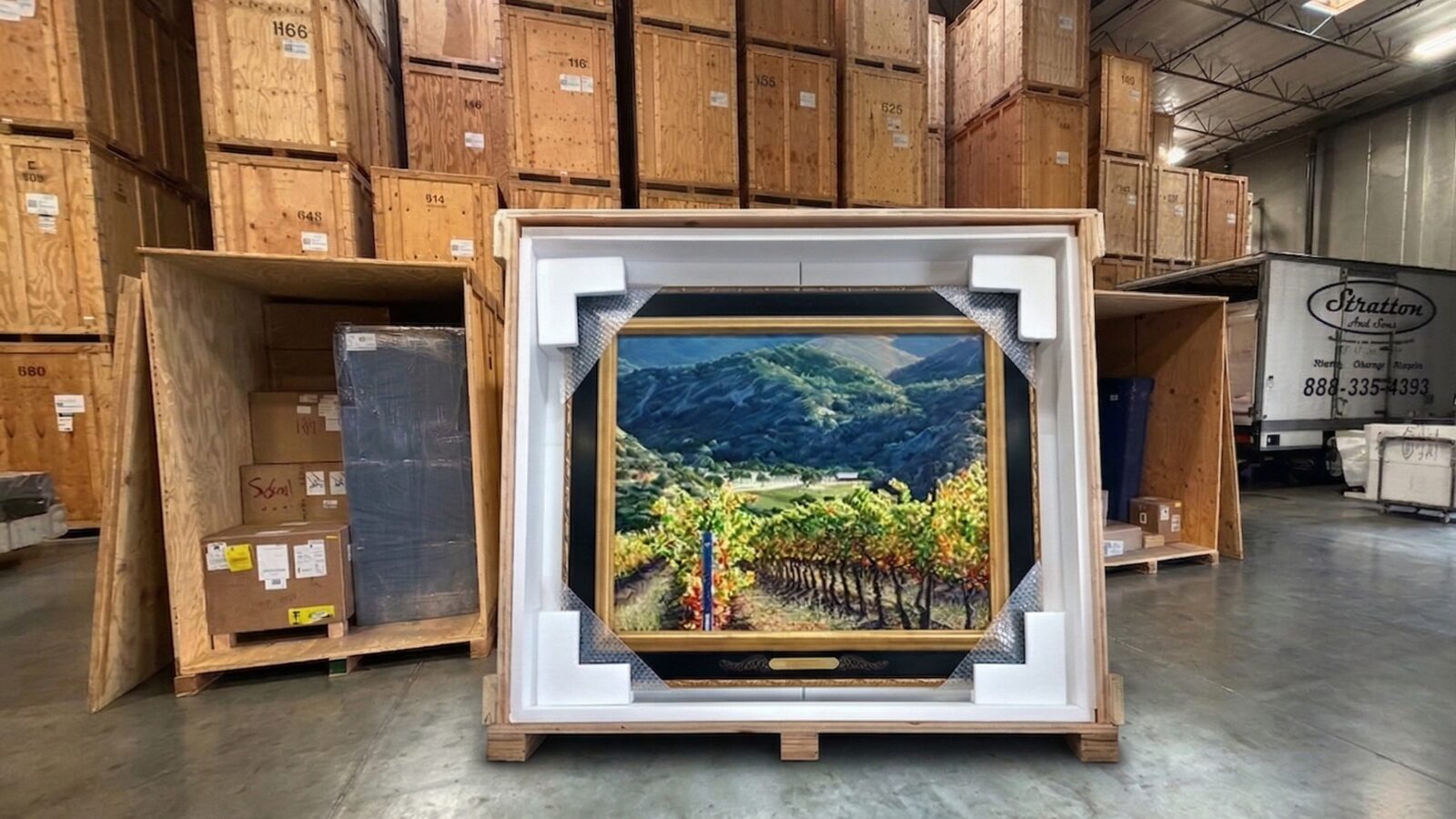
Custom crating can add protection for valuable or particularly delicate artwork. For more on this step, see the guide Mastering the Move: Packing and Transporting Your Prized Artwork and Antiques Safely.
What are the benefits of custom crating?
Custom crates fit the dimensions, weight, shape and vulnerability of specific objects.
Standard moving cartons come in preset sizes, while custom crates can create a more controlled environment for unusual or fragile possessions.
A large framed painting, marble sculpture, antique mirror or delicate chandelier can benefit from a crate designed around its characteristics.
Depending on the object, a crate can include cushioning, internal supports, barriers and methods for securing the contents against movement. Well-designed crating helps distribute loads and lower the risk of impact during handling and transport.
Wooden crates aren’t required for all valuable objects. The right solution depends on the object’s condition, construction, value, destination and transportation method.
Wooden crates and other wood packaging may need to meet applicable phytosanitary requirements, including ISPM 15 standards, for international moves. Discuss these considerations with the relocation provider before packing starts.
Alliance Relocation Services builds custom crating and uncrating on site, sized to fit one piece and its weak points.
What makes antique furniture difficult to move?
Antique furniture can be particularly difficult to move because age and craftsmanship affect structural stability.
An antique secretary desk can have delicate hinges, glass panels and intricate compartments. A carved dining table can have detachable leaves or an unusual support system. An heirloom armoire can be too large to pass through modern doorways without partial disassembly.
Assess an antique’s condition and construction before moving it. Look for loose joints, unstable legs, fragile veneer, damaged hardware and previously repaired areas.
Furniture shouldn’t get lifted by decorative elements, drawer handles or other components that weren’t designed to support its weight.
Some pieces can be safely taken apart, while others should stay intact. When disassembly makes sense, hardware and components need careful identification, protection and documentation.
Protective padding should also match the furniture’s finish. Certain materials can interact with delicate surfaces, particularly when items stay wrapped for extended periods.
Professional handling lowers these risks and supports safer transport. See the guide Moving Specialty Items: Pianos, Safes, Antiques, Artwork, and Other High-Value Possessions.
How do you protect porcelain, crystal and collectibles?
Fragile collections present another set of challenges.
Fine china, crystal stemware, decorative porcelain and collectible figurines can have delicate projections, thin edges or intricate details.
These objects generally need individual protection instead of loose packing together.
Proper packing starts with containers of appropriate strength and size. Cushion items to limit movement, paying particular attention to vulnerable handles, stems, spouts and decorative elements.
Heavy objects shouldn’t press down on lighter or more delicate pieces.
Compartmentalized packaging or custom supports can suit valuable collections. Families should also weigh whether certain collections travel best together or split across multiple cartons.
The goal is to limit movement and pressure while keeping unpacking and condition checks manageable.
How does climate affect fine art and antiques during a move?
Temperature and humidity can affect valuable possessions during transportation.
Wood responds naturally to changes in moisture levels, and significant swings can cause expansion, contraction, warping or cracking.
Paintings, paper-based artwork, textiles and certain decorative materials can also stay sensitive to environmental conditions.
International shipments add considerations because household goods can spend extended periods in shipping containers, warehouses or temporary storage. A shipment traveling between dramatically different climates can meet changes in temperature and humidity.
Families transporting sensitive collections should discuss environmental risks before choosing transportation and storage arrangements. Some possessions can require climate-controlled storage or specialized transportation services.
Climate control doesn’t automatically cover a household move from start to finish. Confirm what protections apply instead of assuming a shipment stays in a controlled environment from departure to delivery.
What rules apply when moving fine art and antiques internationally?
Moving valuable possessions internationally adds customs and regulatory requirements to the packing process.
Certain antiques, cultural objects and artworks can face export or import restrictions. Some countries require permits or documentation for objects of cultural significance.
Materials such as ivory, tortoiseshell, certain exotic woods and other wildlife-derived components can create added complications under international conservation regulations.
Objects owned legally for generations can still need documentation or face restrictions crossing certain borders. Families should research these requirements well before departure.
Professional appraisals, purchase records, certificates of authenticity and provenance documentation can help establish an object’s identity, ownership and value. These documents don’t automatically satisfy all customs or permit requirements.
Consult qualified specialists and the relevant government authorities before shipping potentially restricted cultural property or protected materials.
What insurance protects fine art and antiques during a move?
No packing method removes all transportation risk. Accidents, unexpected handling conditions and other events can happen even with careful precautions.
Families moving valuable possessions should review insurance and valuation arrangements carefully. The FMCSA (Protect Your Move) outlines federal rules for interstate household moves.
Standard household moving protection might not match the coverage needed for valuable artwork, antiques or collectibles. Separate fine art insurance or specialized transit coverage can fit better in these cases.
Review policy limits, deductibles, exclusions, valuation methods and documentation requirements. Some policies require professional appraisals or advance declarations for high-value items. Others distinguish between damage that happens during packing, transportation, storage and unpacking.
The purchase price, sentimental value or appraised value of an object won’t automatically determine a claim payment. Understanding coverage before the move helps prevent unpleasant surprises later.
What happens after fine art and antiques arrive?
The relocation process continues after valuable possessions arrive at the destination. Unpacking and installation carry risks too.
Large paintings can need specialized hanging systems. Antique furniture can need careful reassembly, leveling or placement away from environmental hazards. Position heavy sculptures and delicate decorative pieces with stability and safe handling in mind.
Identify where major pieces will go before delivery. Measure doorways, staircases, elevators and other access points so large items can reach their intended spots.
Arrange professional installation or conservation assistance in advance if the piece needs it.
Inspect valuable possessions after delivery and compare their condition with pre-move photographs. Report any concerns promptly under the applicable claims procedures.
How does Alliance Relocation Services help protect valuable possessions?
Fine art, antiques and family heirlooms often tell the story of a household. They reflect personal interests, family history, travel experiences and memories gathered over generations.
Moving these possessions safely takes more than wrapping them and loading them onto a truck. Careful inventory preparation, appropriate packing, specialized handling and thoughtful delivery planning all help protect their condition.
Alliance Relocation Services works alongside moving companies: the moving company loads and drives the truck, while Alliance technicians handle crating, uncrating and other specialty work at origin and destination. Alliance helps families with domestic and international relocation. Its insured, background-checked technicians handle crating and uncrating for art, mirrors, glass and stone tops, and antiques.
When you prepare for your next relocation, protecting your most treasured possessions should be part of the plan from the very beginning. Request a quote to plan crating and transport before the move.
Frequently Asked Questions
What documents help prove an antique’s value for a move?
Professional appraisals, purchase records, certificates of authenticity and provenance documentation can help establish an object’s identity, ownership and value. These documents don’t automatically satisfy all customs or permit requirements.
Why shouldn’t furniture get lifted by its handles or decorative parts?
Drawer handles and decorative elements weren’t designed to support a piece’s weight. A piece should not be lifted by them.
What should a pre-move inventory include for artwork?
An artwork inventory should include images of the front, back, frame, signature and any identifying labels. Descriptions and approximate dimensions round out the record.
Does a household move always include climate-controlled storage?
Climate control doesn’t automatically cover a household move from start to finish. Confirm what protections actually apply instead of assuming a shipment stays in a controlled environment throughout.