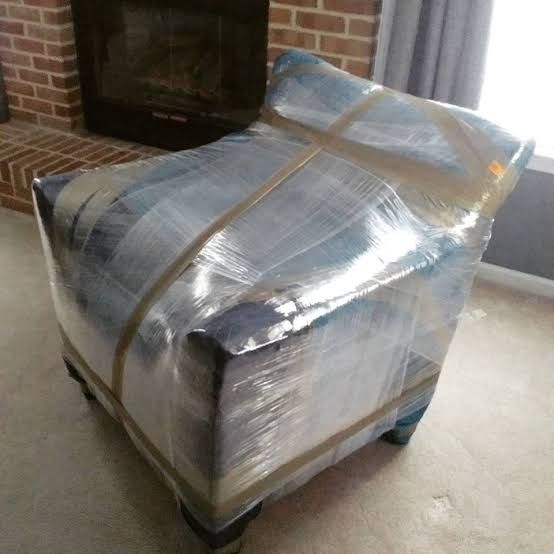
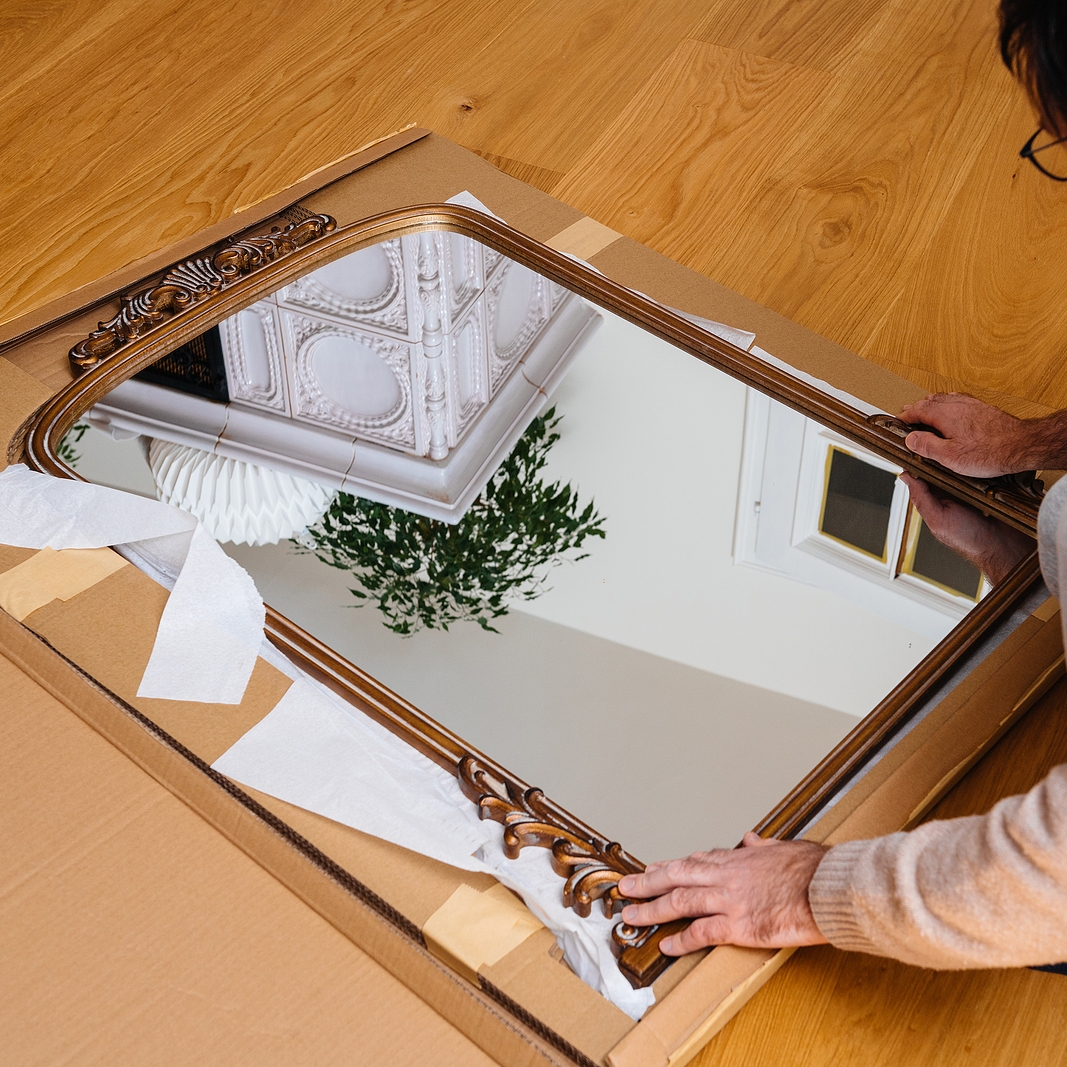
Moving specialty items means giving pianos, safes, antiques, artwork and other high-value possessions the protective materials and handling techniques a standard move can’t provide. These pieces carry weight, fragility or value that puts them at risk of damage without proper preparation. A clear plan at the start keeps the move on track and reduces that risk.
Attempting to move these possessions without the proper preparation can result in expensive damage, personal injury, or both. Weight distribution, delicate finishes, unusual dimensions and sentimental value all make specialty items a separate category.
At Alliance Relocation Services, these pieces aren’t just large objects. They are investments, family heirlooms, collectibles and irreplaceable possessions. Careful planning, professional equipment and proven handling techniques help make sure a piece arrives safely at its destination.
What Makes an Item “Specialty”?
A specialty item is generally anything that requires extra care because of its weight, size, fragility, value or unusual shape.
Common specialty items include:
- Pianos
- Gun safes
- Fireproof safes
- Antique furniture
- Fine artwork
- Sculptures
- Large mirrors
- Chandeliers
- Wine collections
- Grandfather clocks
- Marble tables
- Exercise equipment
- Commercial office equipment
- Oversized televisions
- Pool tables
- Collectible displays
These pieces present different challenges, and a moving plan should account for them individually rather than treat them like ordinary household goods.
Why Do Specialty Items Require Professional Movers?
Moving a sofa across a room is one thing. Moving a 700-pound piano down a staircase is something else entirely.
Specialty items often involve risks that homeowners don’t encounter during routine moving tasks:
- Excessive weight
- Fragile finishes
- Delicate internal components
- Awkward balance
- Narrow doorways
- Tight stairwells
- High replacement costs
Professional movers evaluate these factors before anyone lifts the first item. Rather than improvising on moving day, experienced crews develop a plan that limits both risk and unnecessary handling. For a closer look at why these services matter, see Beyond Moving Boxes: The Importance of Specialty Moving Services.
How Do You Move a Piano Safely?
Pianos are among the most complex household items to relocate. While many people focus on the weight, the real challenge lies in protecting the thousands of precisely adjusted internal components hidden under the polished exterior.
A piano contains:
- Delicate strings
- Hammers
- Pedals
- Soundboards
- Keys
- Fine wood finishes
Even a small impact can affect its structural integrity or require expensive repairs and tuning.
Professional piano moving typically involves:
- Protective padding
- Specialized dollies
- Heavy-duty straps
- Careful weight distribution
- Controlled lifting
- Strategic truck placement
Movement is deliberate, because protecting the instrument matters as much as moving it. For dedicated piano, pool table and grandfather clock handling, see the piano, pool table and clock moving service.
Why Are Safes More Challenging Than They Appear?
Many homeowners are surprised by how difficult it is to move a safe. Even relatively small residential safes may weigh several hundred pounds. Larger gun safes or commercial fire safes can top 1,000 pounds.
Moving these safely requires attention to:
- Floor protection
- Weight distribution
- Stair navigation
- Proper lifting equipment
- Vehicle loading capacity
Attempting to move a heavy safe without professional equipment risks serious injury as well as damage to flooring, walls and doorways.
Why Do Antiques Require Gentle Handling?
Unlike modern furniture, antiques often weren’t made with repeated moves in mind. Older construction methods, aging wood, delicate veneers and handcrafted joints may have weakened over decades or even centuries.
Professional movers treat antiques differently by:
- Assessing structural stability
- Removing loose components
- Protecting delicate finishes
- Using customized padding
- Avoiding unnecessary stress on joints
The goal isn’t simply transporting the piece, it’s preserving its history. For more on pieces that call for this level of care, see What Not to Pack Yourself: Items That Should Always Be Professionally Handled.
How Should Artwork Be Packed and Moved?
Paintings, framed photographs, sculptures and other artwork often hold significant financial and sentimental value. Unfortunately, artwork is vulnerable to:
- Scratches
- Broken glass
- Torn canvas
- Moisture
- Temperature fluctuations
- Vibration during transport
Professional movers use specialized packing materials that may include:
- Glassine paper
- Foam corner protectors
- Custom cartons
- Bubble cushioning
- Protective blankets
- Wooden crates for especially valuable pieces
Whenever possible, artwork is transported upright rather than laid flat to reduce unnecessary stress.
What Is Custom Crating and Why Does It Help?
Some specialty items simply don’t fit standard moving boxes. That’s where custom crating becomes valuable.
Custom wooden crates are designed specifically around the dimensions and protection requirements of a particular item. Crating is often recommended for:
- Fine artwork
- Sculptures
- Antique furniture
- Fragile collectibles
- High-value electronics
- Laboratory equipment
- Delicate commercial equipment
A properly constructed crate limits movement, absorbs vibration and provides strong protection throughout transportation.
How Do Movers Protect Large Mirrors and Glass Tabletops?
Glass is one of the most unforgiving materials to move. Even slight twisting pressure can create stress fractures that aren’t immediately visible.
Professional movers typically remove glass components whenever possible and wrap them separately using protective materials designed to reduce impact. Special mirror cartons and custom padding help prevent chips, cracks and shattered edges.
How Are Chandeliers Moved Safely?
Chandeliers combine several moving challenges into one item. They’re fragile. They’re irregularly shaped. They often contain delicate glass crystals and intricate metalwork.
Professional movers carefully disassemble removable components, wrap pieces individually, label hardware and prepare the fixture for safe transportation and efficient reinstallation later.
Why Does Loading Placement Matter for Specialty Items?
Protecting specialty items isn’t only about wrapping them correctly. Where they’re positioned inside the moving truck matters just as much.
Professional movers carefully consider:
- Weight balance
- Accessibility
- Vibration
- Pressure points
- Tie-down locations
- Separation from heavier furniture
Improper loading can allow even well-packed items to shift during transportation. Strategic placement helps limit movement and reduce unnecessary stress on valuable possessions.
Does Insurance Protect Specialty Items?
Many homeowners assume insurance alone protects valuable belongings. While insurance may provide financial reimbursement in certain situations, it cannot replace:
- Family heirlooms
- Handmade furniture
- One-of-a-kind artwork
- Sentimental keepsakes
- Historical antiques
The best protection is preventing damage in the first place. Professional planning, experienced handling and quality packing materials reduce the likelihood of claims ever becoming necessary.
Why Should You Tell Your Mover About Specialty Items in Advance?
If you have specialty items, it’s important to tell your moving company well before moving day. Providing information in advance allows movers to prepare:
- Appropriate equipment
- Additional personnel if needed
- Custom crating
- Protective materials
- Loading strategies
- Access plans for stairways or elevators
The more information available ahead of time, the smoother moving day will be. Pool tables, home gyms and other bulky pieces call for this same advance notice, as outlined in Hire Professionals to Move These 5 Household Items.
Why Does Mover Experience Matter?
Many moving companies can transport ordinary household goods. Specialty moving requires something more: experience gained through handling valuable, oversized, delicate and irreplaceable items over many years.
Professional movers understand that a specialty item has unique requirements, and there’s no single approach that fits all of them. That’s why careful planning, hands-on execution and attention to detail remain the foundation of a successful specialty move.
Trust Alliance Relocation Services With Your Most Valuable Possessions
Whether you’re moving across the street or across the United States and Canada, valuable belongings deserve more than standard moving practices. Alliance Relocation Services provides specialized care for pianos, safes, antiques, artwork and other high-value possessions, working alongside your moving company to handle this work at origin and destination.
Custom crating, protective wrapping, strategic loading and secure transportation all play a part. The goal is simple: help a specialty item arrive safely and ready for the next chapter of its story. When you trust your treasured possessions to a team that understands the difference between moving an item and protecting it, the result shows.
Ready to plan a move with specialty pieces? Request a quote.
Frequently Asked Questions
How much does it cost to move specialty items?
Price depends on the pieces involved, the services needed and the distance of the move. A detailed quote accounts for weight, fragility and any custom crating required.
Can I move a piano myself to save money?
Moving a piano without professional equipment and training risks structural damage to the instrument and serious injury, since pianos can weigh hundreds of pounds and contain delicate internal parts.
Do all specialty items need a custom crate?
Not always. Crating is typically reserved for items that don’t fit standard boxes or need added protection, such as fine art, sculptures, antique furniture and fragile collectibles.
When should I tell my moving company about specialty items?
Tell your mover about specialty items well before moving day so the crew can prepare the right equipment, personnel, crating and access plans in advance.