Flat screen TVs, dishes, artwork, and mattresses rank among the items damaged in a DIY move. Damage often starts before the truck leaves the driveway, caused by rushed packing, thin materials, and poor weight distribution. The list below covers the ten items at the highest risk and the mistakes that cause the most harm.
Why Do Flat-Screen TVs Get Damaged in a DIY Move?
Flat-screen TVs rank among the items damaged in a DIY move most often. Modern screens weigh less than older models, but that does not make them durable.
DIY movers often make several mistakes:
- Laying televisions flat
- Using blankets instead of structured padding
- Stacking boxes against screens
- Failing to secure TVs properly inside the truck
A minor shift during transport can crack a screen or damage internal parts. Heat inside moving trucks can also affect electronics during summer moves.
Alliance Relocation Services offers a TV and electronics packing service. It wraps screens in foam, packs them upright, and sets them back up at the new home.
Why Do Dining Chairs and Table Legs Break During a Move?
Furniture damage often happens because people underestimate how vulnerable joints and legs are during transport.
Dining chairs often loosen or crack when stacked incorrectly. Table legs absorb stress when furniture shifts during loading and unloading.
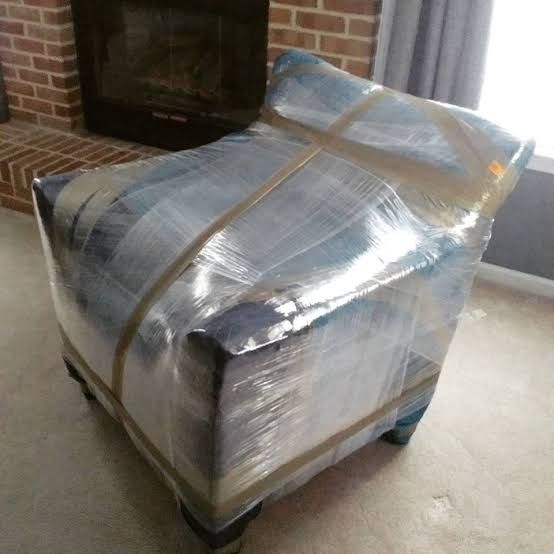
Solid wood furniture can also suffer scratches, dents, and finish damage if wrapped incorrectly. For detailed wrapping and loading steps, see the guide How to Protect Furniture During a Move: Wrapping, Padding, and Proper Loading.
Professional packing crews disassemble furniture safely, wrap components properly, and protect delicate finishes during transport.
Why Do Dishes and Glassware Break So Often?
Few things create moving-day panic faster than opening a box full of shattered kitchenware.
The kitchen is one of the hardest rooms to pack correctly. It holds items with different weights, shapes, and fragility levels. DIY packers often leave too much empty space inside boxes or skip cushioning for glassware.
Stacking dishes incorrectly is another common issue. Plates placed flat inside boxes crack more easily under pressure. Glassware packed too tightly can break from vibration during transit.
Professional packing uses layered methods and protective materials designed for fragile kitchen items.
Why Are Artwork and Mirrors So Easily Damaged?
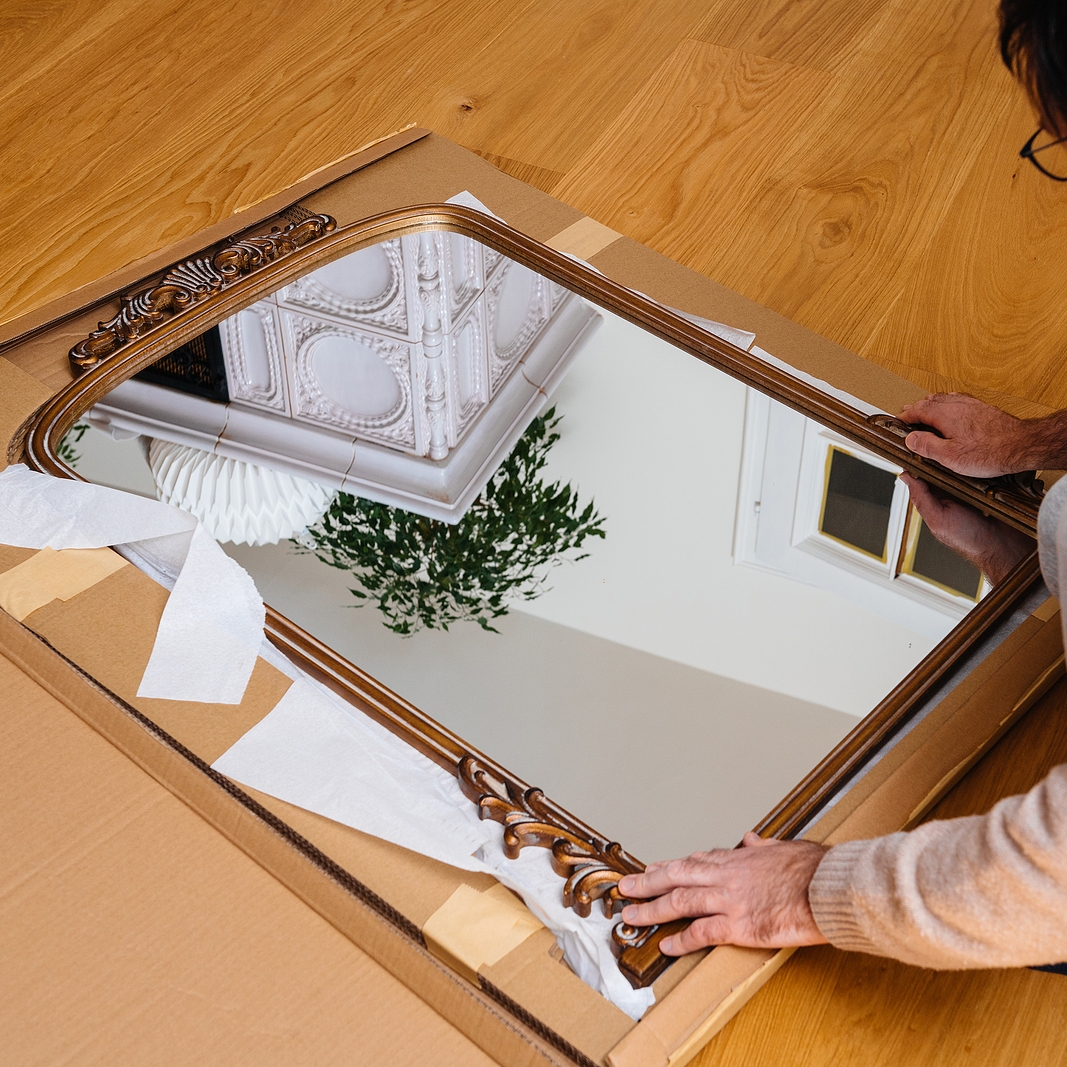
Artwork, framed photographs, and mirrors combine fragile surfaces with awkward shapes, which makes them vulnerable during moves.
Bubble wrap alone often is not enough. Large framed items can crack because they flex during transport or absorb pressure from surrounding items.
Temperature and humidity create added risks during summer moves. Canvas can warp, adhesives can weaken, and glass can crack from stress and shifting temperatures.
Custom crating is often the safest option for valuable artwork, oversized mirrors, antiques, and collectibles. Professional packing crews wrap these items and position them securely inside the truck to lower the risk of damage.
Why Do Lamps and Light Fixtures Get Damaged?
Lamps may not look fragile, but they are damaged often during DIY moves.
Lamp shades crush easily. Bases chip or crack. Harps bend during loading. Glass fixtures and decorative lighting pieces often break because they get packed in a hurry at the last minute.
Oddly shaped items are harder to stabilize inside moving boxes, especially when DIY movers run short on the right packing materials and start improvising.
Professional packing uses tailored wrapping methods and correctly sized boxes made for fragile decorative items.
Why Are Electronics and Computer Equipment at Risk?
Home offices have grown more common in recent years, so more families move expensive technology than ever before.
Computers, monitors, printers, gaming systems, and audio equipment hold delicate internal parts that can be damaged by:
- Vibration
- Excessive heat
- Moisture
- Static electricity
- Sudden impacts
One of the biggest DIY mistakes is packing cords, accessories, and components without any system. Tangled cables and loose accessories often scratch screens or damage ports during transit.
Professional packing protects electronics using anti-static materials, secure cushioning, and organized systems that reduce shifting and confusion during unpacking.
Why Are Mattresses Easy to Damage During a Move?
Mattresses are surprisingly easy to damage during moves.
Dragging a mattress across pavement or a loading ramp can tear fabric and weaken its structure. Improper storage during transport can expose a mattress to dirt, moisture, or mildew.
DIY movers also tend to underestimate how hard mattresses are to maneuver through stairwells and tight corners. This often leads to wall damage along with mattress damage.
Professional movers use mattress bags, proper carrying techniques, and planned loading methods to keep mattresses clean and protected.
Why Do Appliances Need Extra Preparation Before a Move?
Refrigerators, washers, dryers, and other appliances need more preparation than most people realize.
Improper handling can damage:
- Internal components
- Water lines
- Electrical connections
- Doors and hinges
- Exterior finishes
Appliances often need to be disconnected, drained, stabilized, and secured before a move. DIY movers sometimes skip these steps or rush through them, which raises the risk of costly repairs.
Heavy appliances also create safety hazards during loading and unloading.
Professional disassembly and reconnection services help prepare and protect appliances throughout the move.
Why Are Musical Instruments So Vulnerable During a Move?
Musical instruments carry emotional value along with financial value, which makes damage especially painful.
Pianos, guitars, violins, drums, and brass instruments are highly sensitive to movement, pressure, humidity, and temperature changes.
DIY movers often underestimate how delicate instruments really are. Even small impacts can affect sound quality, tuning stability, or structural integrity.
Wood instruments are particularly vulnerable during summer moves, since humidity and heat shifts can warp materials or weaken glue joints. For more on how weather affects belongings, see How Summer Humidity and Heat Can Damage Your Belongings During a Move.
Professional packing methods reduce environmental and physical risks while keeping instruments secure during transport.
Why Do Sentimental and Irreplaceable Items Get Damaged Most Often?
The most painful moving losses are often not the most expensive ones.
Family photo albums, handwritten letters, heirlooms, children’s artwork, military memorabilia, and inherited keepsakes often suffer damage during rushed DIY moves. People often pack them quickly or treat them like ordinary household items.
Once these items are damaged or lost, replacement is not possible.
Professional packing services encourage homeowners to flag meaningful belongings ahead of time so they get extra protection and careful handling.
Why Does DIY Damage Happen So Often?
Most DIY movers are not careless. They are simply inexperienced.
Packing a household involves far more than placing objects into boxes. Weight distribution, material choice, truck organization, environmental conditions, and handling technique all matter.
Time pressure plays a role too. Many homeowners underestimate how exhausting moving becomes, physically and mentally. By the end of the process, people start rushing decisions, overloading boxes, and cutting corners.
That is often when damage happens.
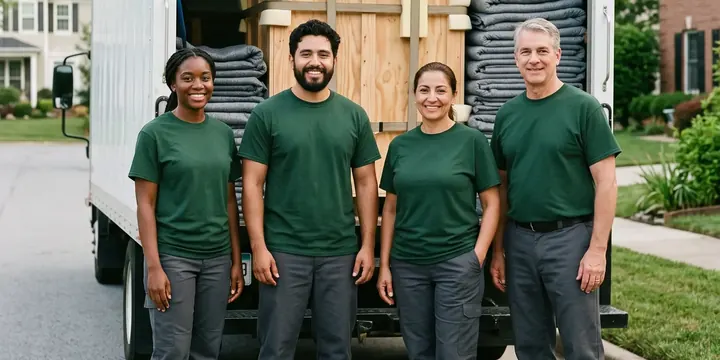
Professional packing crews bring structure, efficiency, and experience to a process that can turn chaotic fast. For more on what DIY packing can cost, see The Hidden Cost of DIY Packing (And Why It Adds Up Fast).
What Does Professional Packing Protect Beyond Convenience?
Professional packing services go beyond convenience. They act as a form of damage prevention.
Replacing broken furniture, electronics, artwork, or collectibles can cost far more than professional packing assistance. That does not count sentimental losses or the stress that comes with preventable damage.
Professional packing services help homeowners protect their belongings while cutting the stress and physical strain that often come with a major move.
This includes:
- Careful wrapping and cushioning
- Custom crating for fragile items
- Proper furniture disassembly
- Organized packing systems
- Strategic truck loading preparation
- Protection for high-value and sentimental belongings
These services are available across the United States and Canada, with technicians working alongside the moving company that loads and drives the truck.
How Can You Protect Your Belongings During a Move?
DIY moving can look cost-effective at first, but damaged belongings quickly change the math. Fragile items, electronics, furniture, artwork, and sentimental keepsakes are all at risk when packed without the right materials or experience.
Many common moving disasters are preventable with the right preparation and handling.
A successful move is about more than getting belongings from one place to another. It is about making sure they arrive safely.
Request a moving quote to get an estimate for crating, TV packing, appliance hookups, or furniture disassembly before your next move.
Frequently Asked Questions
What are the items most likely to get damaged in a DIY move?
Flat-screen TVs, dining chairs and table legs, dishes, artwork, lamps, electronics, mattresses, appliances, musical instruments, and sentimental items rank among the items damaged in a DIY move most often.
Why do flat-screen TVs break during DIY moves?
TVs often crack when movers lay them flat, use blankets instead of structured padding, or fail to secure them inside the truck. A minor shift during transport can damage the screen or internal parts.
Can professional packing prevent moving damage?
Yes. Professional packing crews use proper materials, careful wrapping, and planned truck loading to reduce the risk of damage to furniture, electronics, artwork, and other belongings.
Does humidity affect belongings during a move?
Yes. Humidity and heat can warp wood, weaken adhesives, and crack glass, which puts artwork, furniture, and musical instruments at higher risk during summer moves.
What should I do with sentimental items before a move?
Flag meaningful belongings like photo albums, heirlooms, and keepsakes ahead of time so they get extra protection and careful handling during packing.