To protect furniture during a move, wrap wood and upholstered pieces in moving blankets, remove and pad glass tops separately, disassemble oversized items before loading, and secure everything inside the truck so it can’t shift. These steps address the friction, impact, and improper handling that cause most of the scratches, dents, and tears movers see.
Furniture often means more than function. It can represent years of memories, financial investment, and family history, from a dining table where the family gathers to a leather sofa anchoring the living room.
Furniture damage is one of the most common problems people run into when relocating. Scratches, dents, torn upholstery, chipped corners, and broken legs usually result from inadequate preparation or improper handling.
Most furniture damage is preventable. Professional movers use proven techniques to wrap, pad, load, and transport furniture safely so it arrives in the condition it left your home.
Why Does Furniture Get Damaged During a Move?
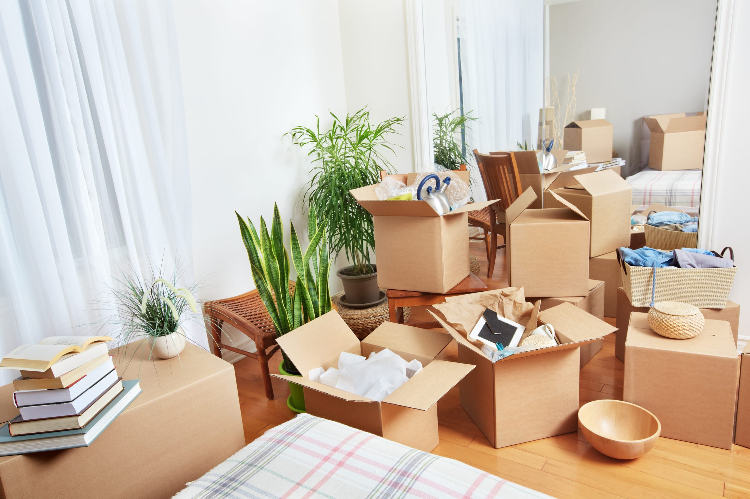
Furniture handles daily use without trouble, but a move puts different stress on it. Trucks bounce, hallways narrow, and corners turn tight, which can loosen joints, scratch finishes, or damage upholstery.
Common causes of furniture damage include:
- Sliding inside the truck
- Improper lifting techniques
- Insufficient padding
- Sharp corners contacting walls or other furniture
- Moisture exposure
- Hardware loosening during transport
- Stacking heavy items incorrectly
- Failure to disassemble oversized pieces
Professional movers plan for these risks before they happen.
Do All Furniture Materials Need the Same Protection?
No. Wood, upholstery, and glass face different risks, so they need different handling and wrapping methods during a move.
How Do You Protect Wood Furniture?
Solid wood furniture can scratch easily. Fine finishes are especially vulnerable when two pieces rub together in transit.
Professional movers typically protect wood furniture by:
- Cleaning loose dust before wrapping
- Removing shelves and loose components
- Wrapping with moving blankets
- Securing blankets with stretch wrap or straps
- Keeping hardware organized in labeled bags
This approach protects the finish and the structural integrity of the piece.
How Do You Protect Upholstered Furniture?
Fabric and leather furniture need protection from several risks during transport.
They need protection from:
- Dirt
- Moisture
- Tears
- Abrasion
- Sharp edges from nearby furniture
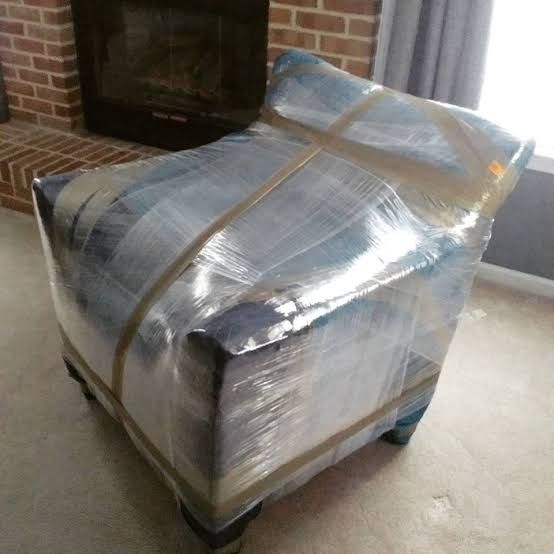
Stretch wrap and protective coverings shield upholstery while still letting movers carry furniture securely. For leather pieces specifically, see our guide on moving leather furniture.
How Do You Protect Glass Furniture?
Glass tabletops need special handling. Rather than leaving glass attached to a table, professional movers often remove it entirely, wrap it separately, and transport it vertically whenever possible, which lowers the chance of cracks or breakage.
Why Do Moving Blankets Matter?
Moving blankets are one of the most important tools professional movers use. These thick, padded blankets create a protective barrier between furniture pieces.
Without padding, furniture may:
- Rub against walls
- Strike door frames
- Shift into neighboring furniture
- Slide during transportation
Moving blankets absorb much of the impact that would otherwise damage finished surfaces. The difference between padded and unprotected furniture becomes obvious the moment a moving truck hits an unexpected bump in the road.
What Does Stretch Wrap Actually Do?
Stretch wrap does more than hold blankets in place. It helps secure padding, keep drawers and cabinet doors closed, keep dust off upholstered furniture, stabilize removable components, and reduce shifting during loading.
Used correctly, stretch wrap protects furniture without damaging finishes or leaving sticky residue.
Does Disassembly Prevent Furniture Damage?
Yes. Some furniture isn’t meant to travel fully assembled, and forcing large pieces through doorways often leads to scratched walls, damaged furniture, or injury.
Professional movers commonly disassemble:
- Bed frames
- Dining tables
- Sectional sofas
- Entertainment centers
- Office desks
- Shelving systems
- Hutches
- Modular furniture
Components get wrapped individually, which makes transportation safer and reduces stress on joints and fasteners. Hardware gets labeled and stored together so reassembly goes smoothly at the new home.
Alliance Relocation Services’ furniture disassembly and reassembly service handles this work at origin and destination, bagging and labeling hardware so it goes back in the right spot.
How Does Proper Lifting Protect Furniture?
Furniture damage doesn’t only happen inside the truck. Many problems start during lifting.
Dragging furniture across hardwood floors can scratch both the furniture and the flooring. Lifting unevenly can weaken joints, and carrying heavy pieces without coordination can cause twisting that damages the frame.
Professional movers use team lifting techniques, furniture dollies, lifting straps, and years of experience to move heavy items safely and efficiently. Protecting furniture also means protecting everyone involved in the move.
How Do Professional Movers Load a Truck?
Loading a truck well takes planning, not just filling it from front to back. Movers place pieces intentionally based on several factors.
Professional movers consider:
- Weight distribution
- Stability
- Fragility
- Accessibility
- Size
- Shape
- Balance
Heavy furniture goes in first to create a stable foundation, while lighter pieces go where they won’t get crushed. Fragile furniture gets secured to limit movement, and empty spaces get filled so items can’t shift in transit.
Proper loading is one of the biggest reasons professional moves see fewer damage claims than DIY moves. For more on what’s at stake, see our guide The 10 Items Most Likely to Get Damaged in a DIY Move.
Does Weather Affect Furniture During a Move?
Yes. Furniture protection doesn’t stop once items leave your home, and weather plays a role along the way.
Southern California offers relatively mild conditions, but furniture can still face rain, excessive heat, humidity, dust, and direct sunlight.
Professional movers track weather conditions and adjust protective measures as needed. Keeping furniture wrapped until it’s safely inside the new home helps preserve finishes and upholstery.
What Small Details Get Overlooked?
Some of the easiest furniture damage to prevent comes from paying attention to small details.
Professional movers often remove or secure:
- Glass shelves
- Cabinet shelves
- Drawer contents
- Table leaves
- Decorative hardware
- Lampshades
- Adjustable shelving pins
These small steps keep loose components from getting damaged or causing damage to other belongings.
Why Does DIY Furniture Protection Often Fall Short?
Many homeowners try to save money by wrapping furniture with old blankets, towels, or plastic sheeting. These materials rarely provide the protection furniture needs during transportation.
Household blankets slide easily, tape can damage finishes, and plastic alone provides little cushioning. Improvised wrapping often shifts while furniture is being carried, exposing corners and edges right when protection matters most.
Professional grade moving blankets and proven wrapping techniques are designed for the demands of relocation. For higher value pieces, see our guide How to Protect Your Designer Furniture During a Move for additional steps.
Why Hire Professionals to Protect Your Furniture?
Confidence is one of the biggest benefits of professional furniture protection, and it’s hard to measure with tape or padding.
Instead of wondering whether a dining table will arrive scratched or whether a recliner will fit through the front door, homeowners can rely on experienced movers who handle these tasks daily.
That confidence lets you focus on settling into the new home rather than worrying about what might happen during the move.
How Does Alliance Relocation Services Protect Your Furniture?
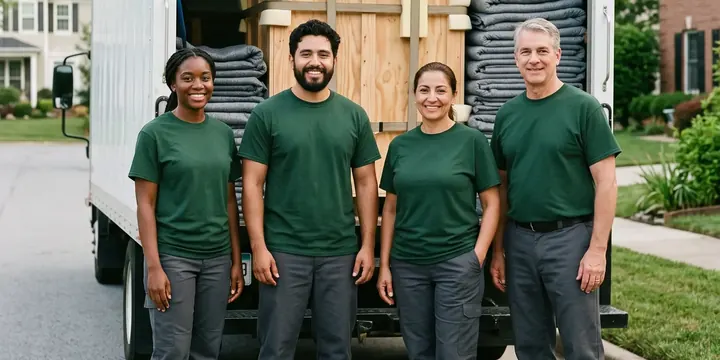
Alliance Relocation Services treats furniture protection as part of the moving process. Experienced technicians use moving blankets, protective wrapping, careful disassembly, and strategic truck loading to protect furniture throughout a move across the United States and Canada.
From antique dining tables to oversized sectionals, technicians give furniture careful handling from origin to destination.
Request a quote to get an estimate for your move.
Frequently Asked Questions
What material needs the most protection during a move?
Solid wood furniture scratches easily because fine finishes are vulnerable when pieces rub together in transit. Glass tabletops also need extra care and are often removed and wrapped separately.
Do moving blankets alone protect furniture?
Moving blankets create a padded barrier between pieces, but stretch wrap is often added to keep blankets in place, secure drawers and doors, and reduce shifting during loading.
Why do movers disassemble large furniture before a move?
Large pieces can scratch walls or get damaged when forced through doorways fully assembled. Disassembling items like bed frames, dining tables, and sectional sofas makes transport safer and protects joints and fasteners.
Can DIY wrapping materials protect furniture as well as moving blankets?
Household blankets, towels, and plastic sheeting rarely provide enough protection during a move. They slide easily, offer little cushioning, and often shift while furniture is being carried.
Can weather conditions damage furniture in transit?
Yes. Furniture can be affected by rain, heat, humidity, dust, and direct sunlight, so keeping it wrapped until it’s safely inside the new home helps preserve finishes and upholstery.