Packing artwork and antiques safely means taking inventory, choosing acid-free materials, and handling pieces with gloved hands. It also means securing items against movement and calling in professional movers for fragile or high value pieces. These steps protect paintings, sculptures, mirrors, and heirlooms during a move.
How do you prepare artwork and antiques before packing?
Preparation starts with an inventory of your artwork and antiques. List the dimensions, condition, and special features for the pieces in the collection. This record helps determine the best packing materials and methods for the collection.
What packing materials protect artwork and antiques?
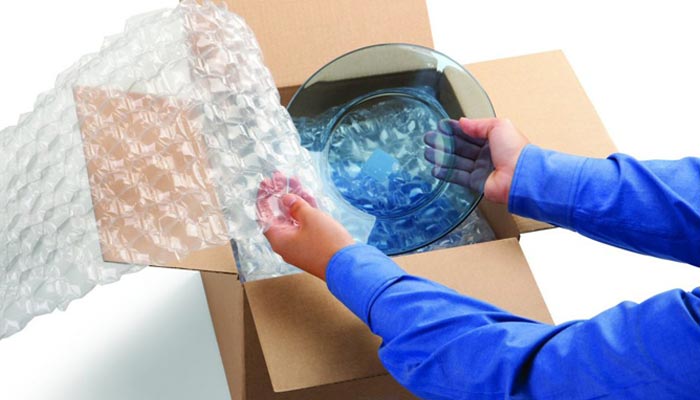
High-quality packing materials protect artwork and antiques during a move. These include acid-free tissue paper, bubble wrap, and foam, which cushion items and help prevent scratches or damage.
- Acid-free tissue paper
- Bubble wrap
- Foam padding
- Custom crates or boxes for larger pieces
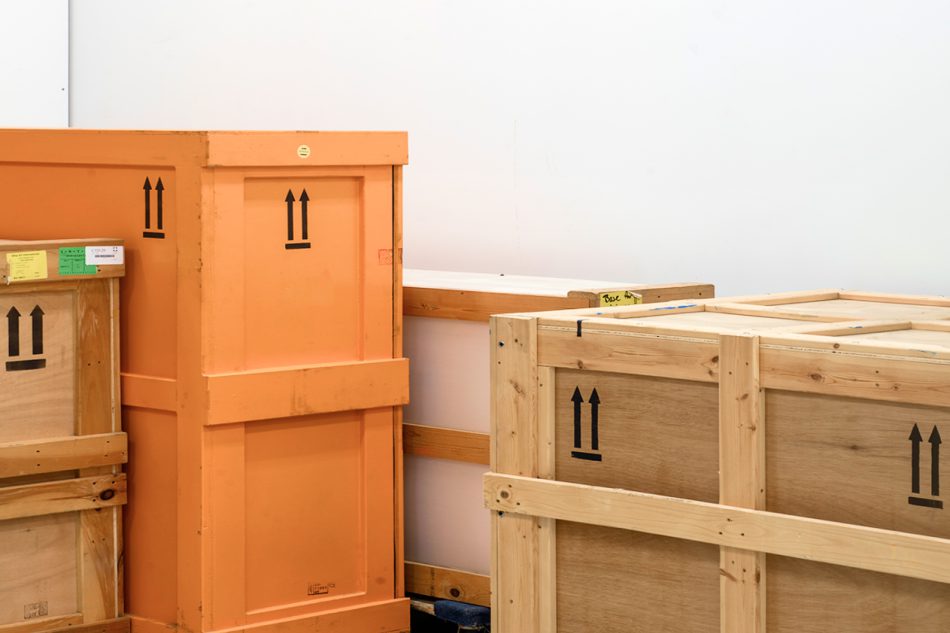
Larger pieces may need custom crating made to fit the item.
How should you handle artwork and antiques while packing?
Wear gloves when handling artwork and antiques. Oils from hands can transfer onto surfaces and cause damage over time. Move and pack pieces gently to avoid cracks, dents, or scratches.
How do you secure artwork and antiques for transit?
Once packed, secure artwork and antiques in place to stop movement during transit. Straps or padding keep pieces from shifting and damaging other items nearby.
When should you hire professional movers for artwork and antiques?
Professional movers who specialize in artwork and antiques bring experience that lowers the risk of damage. If packing and moving valuable pieces feels uncertain, trained movers know how to handle the materials and techniques pieces require. See How to Move Valuable Items.
Why does custom crating help protect valuable artwork?
Custom crating gives an extra layer of protection for valuable artwork during a move. Alliance Relocation Services builds custom crates sized to fit one piece at a time. The crate is made around the size, weight and weak points of the piece.
Alliance works alongside moving companies on these jobs. The moving company loads and drives the truck, while Alliance technicians handle crating, uncrating, and other specialty work at origin and destination. Alliance serves homeowners across the United States and Canada, and its technicians are insured and background-checked.
How long does it take to get a quote for crating services?
A quote comes through a phone call or quote form. Most quotes come back within minutes, and odd or large jobs get an answer the next business day.
See the guide How to Ship Antiques. Request a quote before the move to plan crating and transport ahead of time.
Frequently Asked Questions
What should be included in an artwork inventory before a move?
An inventory should list the dimensions, condition, and special features of the pieces. This information helps determine the right packing materials and methods for the collection.
Why avoid touching artwork and antiques with bare hands?
Oils from bare hands can transfer onto surfaces and cause damage over time. Gloves keep this residue off artwork and antiques during handling.
What materials protect artwork and antiques during packing?
Acid-free tissue paper, bubble wrap, and foam cushion items and help prevent scratches or damage. Larger pieces may need custom crates or boxes for added protection.
When does a piece need a custom crate instead of a box?
A custom crate adds an extra layer of protection for valuable artwork. Alliance Relocation Services builds crates on site, sized to fit one piece at a time, with foam padding and interior bracing.
How does Alliance Relocation Services fit into a move?
The moving company loads and drives the truck, while Alliance technicians handle crating, uncrating, and other specialty work at origin and destination. Alliance serves homeowners across the United States and Canada with insured, background-checked technicians.