Shipping antiques safely starts with knowing the piece’s dimensions, condition, and value before you pack it. The right approach pairs clear photos and labels with a sturdy crate or box, plus a shipping method that fits your budget and timeline. This guide walks through the steps for packing, crating, and shipping antique furniture without damage.
Why does packing antiques properly matter?
Antiques carry both monetary value and family history, which is why they need careful packing before a move. A treasured piece found at a garage sale and a family heirloom passed down for generations both deserve the same care.
Most antiques are at least 100 years old and have survived several generations already. Their materials are often less sturdy than they once were, and poor packing is a common reason families lose valued pieces during a move.
If you plan to ship antique furniture, take extra care. The goal is to protect the piece’s quality and avoid breakage.
If you’re worried about losing, breaking, or lowering the value of an antique, Alliance Relocation Services can give you a quote on crating your items. Read on for tips to protect your antiques when shipping them.
How do you prepare to ship antique furniture?
Hiring professionals to pack and ship your antiques is the safest option, though some people still choose to pack items themselves. Bumpy roads can damage items in transit, and a move to a humid climate can expose antiques to moisture.
Start by listing the possible problems that could damage your items during transit, then plan around them. Put extra effort into packing your antique items, since packing matters as much as the shipping method itself.
The steps below cover what to do while shipping your antiques.
How do you communicate antique details to your shipper?
Your first step is to share accurate information about your antique furniture’s dimensions, condition, and value with the shipping company. This includes:
- Taking photos: Photos record the condition of your valuables before shipping, giving you proof for comparison once the pieces arrive.
- Labeling parts: If an antique needs to come apart for the move, label the parts so they go back together correctly. Keep the labeling precise, accurate, and neat.
- Flagging fragile items: Antiques are delicate by nature, but some need extra care. Telling the shipping team about the more fragile pieces lowers the risk of damage.
How should you pack antique furniture?
Once you’ve taken photos, labeled parts, and talked with the moving team, start packing your antiques. The packing method depends on the piece. These practices generally work best for antique furniture:
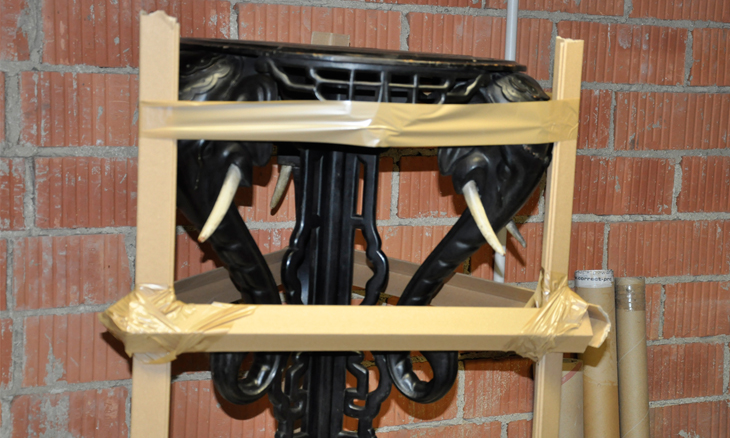
- Skip furniture tape: Tape doesn’t secure antique furniture; it can damage the surface, and the stickum leaves residue behind. This is one reason to hire a professional, since they carry the right materials and equipment.
- Use crating services: Crating protects your valuables well. If you handle the shipping yourself, you can order crates from shipping companies. If you hire professional antique shippers such as Alliance Relocation Services, the company provides custom crating and uncrating for you.
- Use boxes: If crates cost more than your budget allows, boxes work well for packing antiques. Choose the box size with care. Measure your furniture first, and add a couple of inches around the sides. See How to Pack, Ship Large & Small Items.
See Mastering the Move: Packing and Transporting Your Prized Artwork and Antiques Safely.
What are your options for shipping antique furniture?
Once packing is done, it’s time to ship. You have a few options for shipping antique furniture, with different trade-offs between cost, control, and risk.
- Consolidated freight: Also called a multi-stop truckload, this method shares the same transport with other movers’ shipments. It suits people shipping fewer items and costs less, since you pay only for the space your antique takes up. Consolidated freight can take longer, since the truck makes other stops along the route.
- Shipping it yourself: You pack your antiques, rent a truck, and ship them yourself. This method suits people who want full control over the process. It also means taking on full responsibility for any damage to your antiques or the rental truck. This option can run expensive for long-distance moves.
- Hiring professional movers: This is the safest and most convenient way to ship antiques. Trained movers handle your antiques from packing through shipping with practiced care. The main downside is the higher cost, especially for long moves, though the safety of your antiques can be worth paying for.
If your antiques are headed overseas, see the guide Preparing Your Antiques and Artwork for an Overseas Move before you book a shipping method.
How does Alliance Relocation Services help ship antiques?
Alliance Relocation Services has decades of experience packing and crating antiques for families across the United States and Canada. The company handles custom crating for art, mirrors, glass and stone tops, antiques, and chandeliers.
Alliance works alongside your moving company. The moving company loads and drives the truck, while Alliance technicians handle crating, uncrating, and other specialty work at your home’s origin and destination. Alliance’s technicians are insured and background-checked.
Look for a shipping company with strong recommendations and a solid reputation for packing antiques before you choose one.
Request a quote from Alliance Relocation Services by phone or through the quote form. Most quotes come back within minutes, and odd or large jobs get an answer the next business day.
Frequently Asked Questions
How long does it take to get a shipping quote for antique furniture?
Most quotes from Alliance Relocation Services come back within minutes. Larger or unusual crating jobs can take until the next business day.
What’s the difference between shipping antiques yourself and hiring professional movers?
Shipping antiques yourself means packing, renting a truck, and taking on full responsibility for any damage. Hiring professional movers costs more but gives your antiques expert-level packing and handling care.
Does Alliance Relocation Services provide the crates for shipping antiques?
Yes. Alliance Relocation Services makes custom crates sized to fit the antique piece being shipped, along with padding and bracing to keep it secure.
Who handles the move if I hire Alliance Relocation Services alongside a moving company?
The moving company loads and drives the truck. Alliance technicians handle crating, uncrating, and other specialty work at origin and destination.