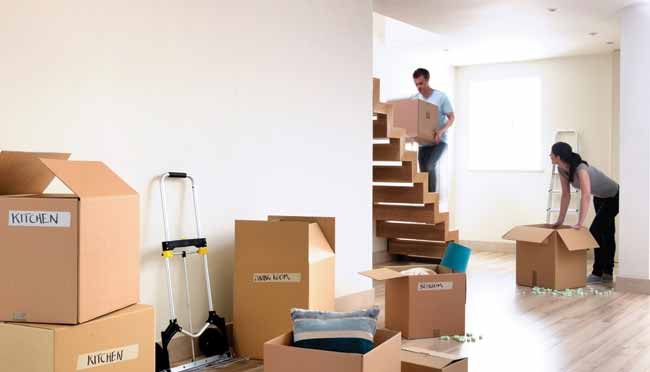
A room-by-room unpacking strategy means unpacking one room at a time instead of opening boxes at random. Start with a plan, then essentials, bedrooms and the kitchen, so your home feels functional within days instead of weeks. Professional movers treat unpacking as the final step of a move.
Why Plan Before You Open the First Box?
A short walk through your new home before you start unpacking saves time later. Confirm that furniture is where you want it, and note any boxes bound for a different room. Move large furniture now, before the rest of the house fills up.
A plan gives boxes a clear destination and cuts down on carrying items from one room to another. For more ideas on organizing before move day, see Top 10 Packing Tips for an Efficient Move.
What Should Go in Your Essentials Box?
Your essentials box should hold what you need for the first day or two:
- Toiletries, medications and chargers
- A few changes of clothes
- Important documents
- Basic cleaning supplies and pet necessities
- Coffee-making supplies
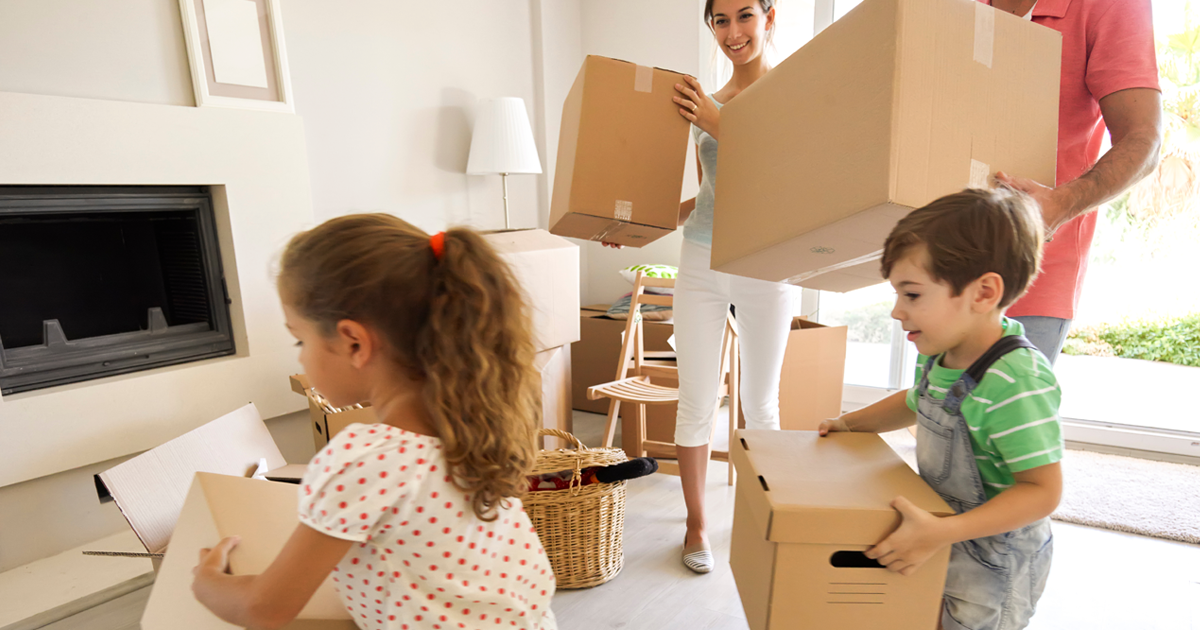
If you have kids, add favorite toys, blankets or bedtime items to keep routines familiar. The goal isn’t a fully unpacked house on day one; it’s a home where everyone can eat, sleep and relax.
For more on what to tackle first, read What Should You Unpack First?
Why Set Up the Bedrooms First?
Bedrooms come before decorative spaces because everyone needs rest after a long moving day. Assemble beds, make them with clean sheets and pillows, and unpack enough clothing for the next several days.
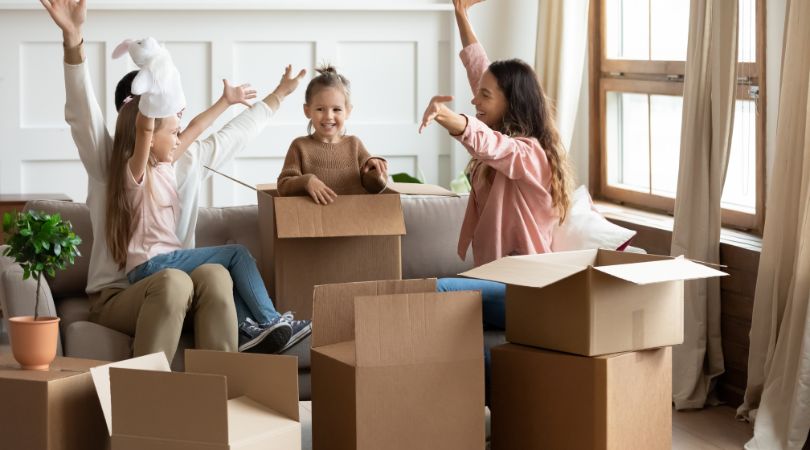
Kids often settle into a new home faster when their bedrooms get set up early. Familiar bedding, a favorite stuffed animal and a few personal items create comfort in unfamiliar surroundings. Finishing the bedrooms on day one gives you a clear sense of progress.
How Do You Get the Kitchen Working Quickly?
Unpack dishes, glasses, silverware and cookware you use regularly first. Skip perfect cabinet organization for now and focus on making simple meals possible.
Small appliances like the coffee maker, toaster and microwave should come out early if you use them often. Pantry items, food storage containers, serving dishes and specialty cookware can wait and get organized over the following days. Cabinet layouts tend to improve once you’ve lived in a space for a few weeks and learned how you use the kitchen.
How Do You Create a Functional Bathroom?
Install shower curtains, then stock toilet paper, towels, soap and toiletries before touching decorative items or extra storage.
If you have more than one bathroom, finish one completely before starting the next. That’s usually more efficient than partially unpacking several at once. Additional bathrooms can wait until you have more time.
When Should You Unpack the Living Areas?
Once bedrooms, bathrooms and the kitchen work, the living room or family room comes next. Arrange seating so family members have somewhere comfortable to rest after unpacking projects.
Connect televisions, internet equipment and entertainment systems if they matter to your household, but you don’t need to connect all the cables right away. Many homeowners find that living in a space for a few days leads to better furniture arrangements than they expected on move-in day.
Which Items Can Wait Until Later?
Decorative accessories, seasonal items, extra linens and rarely used kitchen equipment don’t need to come out right away. Artwork is often easier to hang once you’ve lived in a home long enough to know where it belongs.
Bookshelves tend to look better arranged thoughtfully instead of in a rush, and holiday decorations can wait for the season. Putting function ahead of decoration helps a home feel comfortable sooner. For more creative ways to settle in, see The Great Unpack: Creative Ways to Settle into Your New Home.
Why Break Down Boxes as You Go?
Empty boxes pile up fast and make rooms feel cluttered. Breaking them down as you finish opening them keeps floors clear and rooms easier to move around in safely.
If recycling pickup isn’t available right away, stack flattened boxes in the garage or another storage spot until they can be disposed of properly. Many moving companies offer box pickup or recycling after the move, which makes cleanup simpler. A home with flattened boxes feels far more organized than one surrounded by open cartons.
Should You Rush Big Decisions?
Moving is a chance to rethink how a home works. A bookshelf might work better in an office than a living room, and a dining room might double as a workspace.
You don’t need to settle all your decorating choices during the first weekend. Living in a home for a few weeks often reveals traffic patterns, lighting preferences and furniture arrangements that weren’t obvious on moving day. Let a home develop naturally instead of forcing a room to look finished right away.
Why Take Breaks While Unpacking?
Unpacking takes a physical toll, and trying to finish an entire house in one stretch usually leads to exhaustion. Work in manageable blocks of time instead.
- Celebrate finishing one room before starting the next
- Order takeout if you need to
- Spend an evening on the patio
- Explore your new neighborhood
Moving marks the start of a new chapter, and taking time to enjoy it makes the process more rewarding.
When Should You Ask for Help?
Some items are easier to handle with professional help. Heavy furniture, wall-mounted televisions, artwork, mirrors, chandeliers and exercise equipment often need specialized tools or more than one person to install safely.
Alliance Relocation Services offers an unpacking service that covers furniture placement, debris removal and assembly assistance across the United States and Canada. For busy families, older adults or anyone on a tight schedule, this kind of help can reduce stress and speed up settling in. There’s no rule that says you have to handle everything yourself.
How Does Everything Come Together?
The point when boxes feel endless and work feels never-ending happens to most families after a move. Then, almost without notice, the kitchen starts functioning normally.
The bedrooms feel familiar. The living room becomes a place to relax instead of a storage area. A house slowly turns into a home.
Approaching unpacking one room at a time makes the transition easier. Focus on daily living before decorating, and give yourself time to settle in rather than finishing everything at once. A thoughtful unpacking strategy means less time surrounded by boxes and more time enjoying a new home.
Ready to skip some of the heavy lifting? Request a quote and see how the unpacking service can help.
Frequently Asked Questions
How long does it take to unpack a house after moving?
It depends on the size of the home and how much help you have. Focusing on essentials, bedrooms and the kitchen first usually makes a home functional within a day or two, with full organization following over the next few weeks.
What room should you unpack first after a move?
Start with the essentials box, then move to the bedrooms so everyone has a place to sleep, followed by the kitchen and bathrooms.
Should you unpack everything on move-in day?
No. The goal on day one is a functional home, with full organization coming over time. Decorative items, seasonal boxes and rarely used kitchen equipment can wait.
Can professional movers help with unpacking?
Yes. Professional unpacking help is available, including furniture placement, debris removal and assembly assistance.