Movers typically won’t disconnect appliances for a move. Standard moving services cover loading, transporting and unloading, not the plumbing, gas or electrical work needed to prepare a washer, dryer, refrigerator or range. Homeowners can disconnect appliances themselves or hire a specialty technician, like those at Alliance Relocation Services, to handle the job safely.
Who Should Disconnect Large Appliances Before a Move?
Large household appliances are costly to repair or replace, so professional movers usually skip this task. Homeowners have two options: disconnect and reconnect appliances themselves, or hire a specialty provider such as Alliance’s appliance disconnect and reconnect service.
Hiring a technician costs a little extra, but the price is often small next to the cost of repairing or replacing a damaged refrigerator, dishwasher or washer.
The sections below cover what goes into preparing these appliances for an upcoming move.
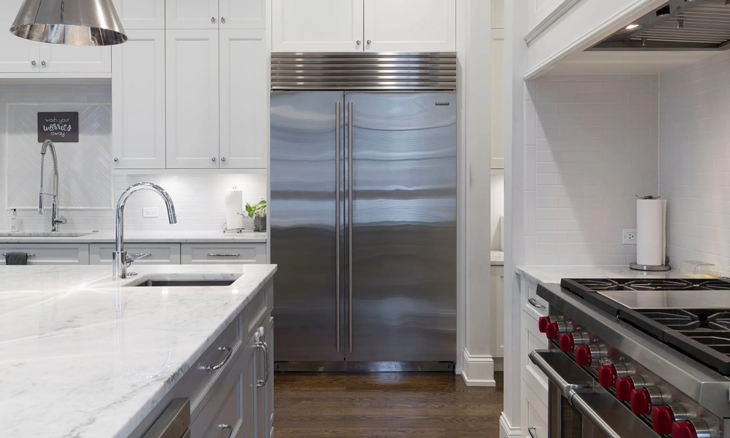
How Do You Prepare a Refrigerator or Freezer for a Move?
Disconnect a refrigerator and prepare it for transport at least a day before the move. In humid climates, start the process two days ahead.
- Empty the contents
- Defrost the freezer (check instructions printed inside the unit or in the owner’s manual)
- Unplug the power cord
- Shut off the water valve at the wall and disconnect the water line and ice maker, if present
- Drain the reservoir
- Prop the doors open and wipe away any water that collects
- Open a window or run a floor fan nearby for a few hours to help residual water evaporate
An odor pack placed inside during transport helps prevent smells. A sock filled with baking soda, fresh kitty litter or coffee grounds works well for this.
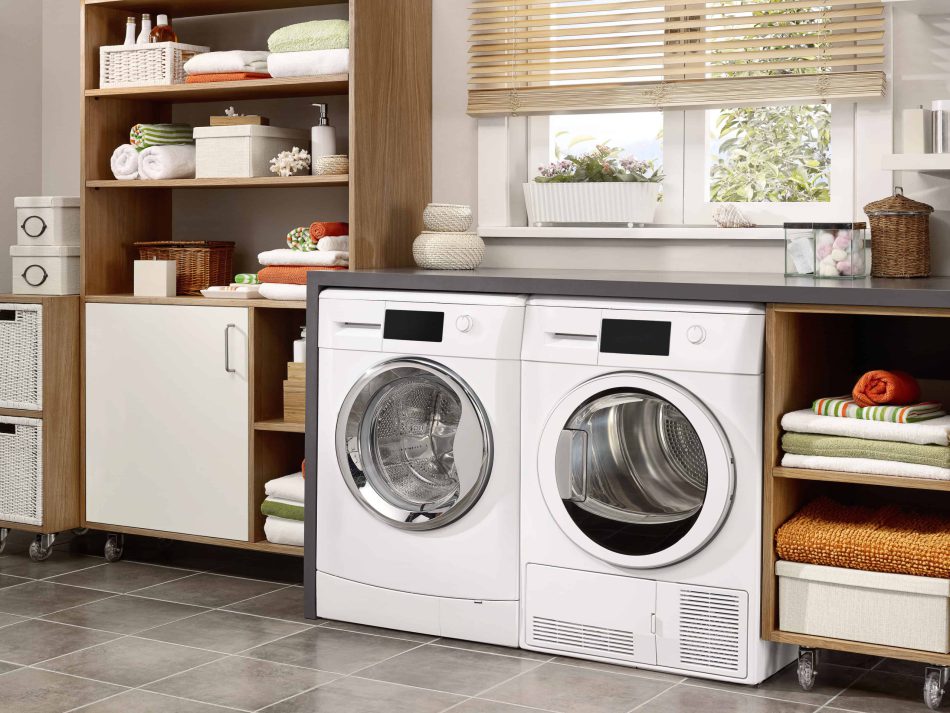
How Do You Disconnect a Washing Machine Before a Move?
- Unplug or disconnect the power line
- Turn off the water supply from the wall
- Disconnect the water line or lines
- Stabilize the drum
For a top-load machine, movers may provide a styrofoam “washer pack” that fits between the drum and frame to hold it in place during transit. Front-load machines need special metal hardware, tools, instructions and some skill to secure the drum.
The hardware ships with all new machines, but many homeowners choose not to install it themselves when moving. For a closer look at prepping these units, see Moving Your Washer and Dryer.
How Do You Prepare a Dryer for a Move?
Dryers are a little easier to prepare for a move than washers. A gas dryer is the exception: have a trained service technician disconnect it and deal with the exposed gas line.
- Unplug the power cord
- Tilt it forward and remove the vent (exhaust) line hose clamp
- With a helper, place a moving blanket underneath and slide it away from the wall
- Clean the lint screen thoroughly
At the new home, a company can reconnect the dryer, or a homeowner can do it themselves.
Should You Move a Dishwasher?
Dishwashers usually stay with the home when it sells, so they’re not commonly moved. An expensive model may be worth taking, but that means dealing with countertops, flooring, plumbing and electricity, since dishwashers don’t easily slide out of their space.
Homeowners who try to save money by disconnecting and moving a dishwasher themselves sometimes damage the unit and the surrounding kitchen. Unless the mover is a plumber, electrician and experienced kitchen remodeler, hiring a professional is the safer choice.
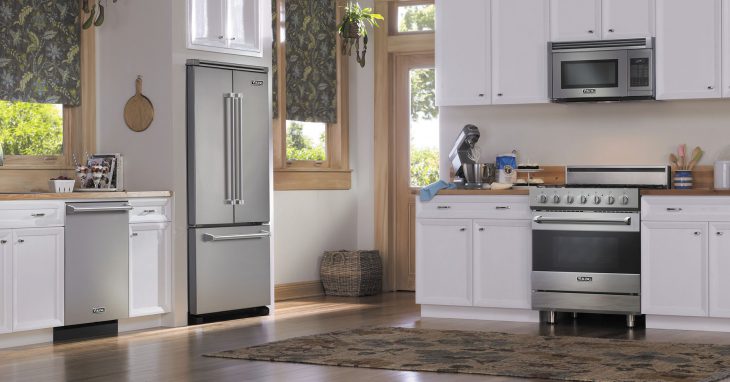
Who Should Disconnect a Stove, Range or Oven Before a Move?
Stoves, ranges and ovens run on gas or electricity and, like dishwashers, typically stay with the home when it sells. They connect to the floor, wall and adjacent cabinets and carry potential gas or electrical hazards. A professional is best suited to prepare them for moving.
DIY appliance disconnection can also lead to costly repair bills if something goes wrong along the way. Why DIY Disconnecting Appliances Could Cost You More Than You Think covers the risks in more detail, including gas leaks, water damage and drum damage.
Alliance technicians work alongside moving companies across the United States and Canada. The moving company loads and drives the truck, while Alliance handles the specialty work of disconnecting and reconnecting appliances at origin and destination. A quote is available through the quote form or by phone. Most estimates return in minutes, and larger or unusual jobs get an answer the next business day.
Frequently Asked Questions
Will movers disconnect my washer and dryer?
Most moving companies don’t disconnect or reconnect washers and dryers. This work typically falls to the homeowner or a specialty technician.
How far in advance should I prepare my refrigerator for a move?
Start at least a day before the move, or two days ahead in a humid climate, to give the freezer time to defrost fully.
Is it safe to disconnect a gas dryer or range myself?
A trained technician should handle gas dryers and ranges because of the exposed gas line and the connections to the floor, wall and cabinets.
Do I need special hardware to move a washing machine?
Front-load washers need metal shipping hardware and tools to secure the drum, while top-load machines may use a styrofoam washer pack instead.
Should I take my dishwasher when I move?
Dishwashers usually stay with the home since they’re built into the kitchen’s plumbing, electricity and cabinetry, making removal more complex than other appliances.