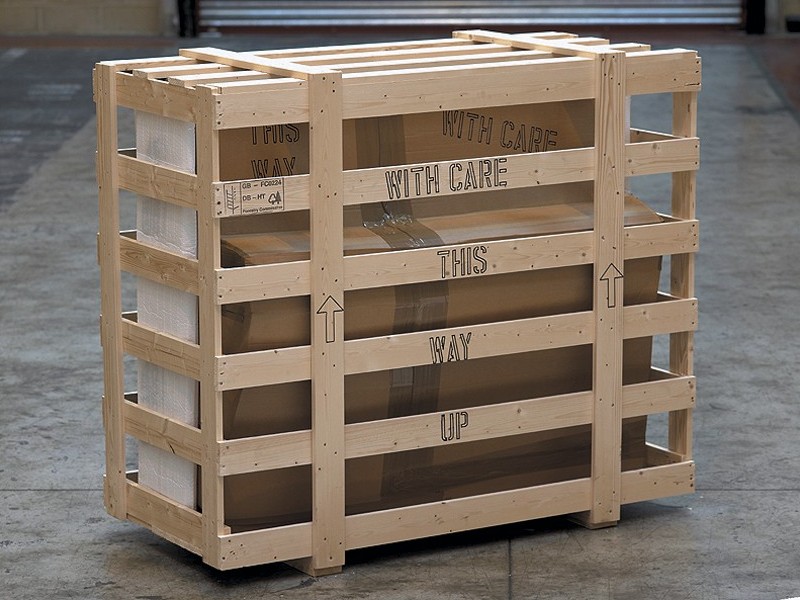

A bill of lading is a legally required shipping document. It works as both a receipt and a contract between the shipper and the carrier. It records what’s being shipped, who’s sending it, and where it’s going. The BOL must be attached to the freight before transport can begin.
What Is a Bill of Lading, and Why Does It Matter?
A bill of lading (BOL) is required whenever goods ship in a wooden crate, whether for a residential or commercial move. Accuracy matters: an incorrect BOL can cause delays and add unexpected costs to your shipment.
When freight is loaded for shipment, the bill of lading must be attached to it. It’s a standard shipping industry document that serves as a receipt for the goods and records the required details about the freight. It also functions as a contract between the shipper and the transporter, and freight won’t move without a BOL attached.
Is a Bill of Lading Legally Required?
Yes. The bill of lading is legally required on all freight, and the carrier issues it. All parties must sign the BOL, and a properly prepared document helps prevent problems during transit. According to FMCSA’s Protect Your Move, movers must provide documents explaining your rights before an interstate move.
Details on a bill of lading include:
- Identity of the shipper
- Point of origin
- Destination
- The party receiving the goods on delivery
- What the shipment contains
- Who is shipping the freight
The format of a bill of lading may differ between carriers, but the basic information stays the same. Shippers can complete the BOL themselves, or ask the freight company for help filling it out.
What Information Goes on a Bill of Lading?
In addition to the details above, a bill of lading also needs:
- Contact information for the consignee, or the party responsible for receiving payment
- Whether the shipment is prepaid or payment will be collected on delivery
- Where the invoice will be sent
- Broker contact, if applicable
- Number of packages
- Type of package used
- Assigned item number from the National Motor Freight Classification (NMFC)
- Freight class
- Size of the freight
- Details about the items
If the shipment contains materials labeled hazardous by the Department of Transportation, the bill of lading must note those materials. It must also list the appropriate Hazmat contact information. If an accident occurs, the freight company uses this information to handle the shipment and alert the right authorities to contain any spill.
The bill of lading also includes the declared value of the shipment. High value shipments may need special handling instructions, and those must be specified on the document too.
Do Wooden Crates Need to Be ISPM-15 Certified?
Yes. Wooden crates used to transport freight must be ISPM-15 certified. Alliance Relocation Services creates custom crating and uncrating that protects your goods and meets or exceeds all regulations. The team works with moves across the United States and Canada. It can help with residential or commercial shipping crates to transport goods.
If you’re planning a move, it helps to know what happens if something goes missing. See our guide on What if the Mover Loses Boxes? If you’re weighing shipping container options beyond crates, see our guide on What Is a Freight Box?
To talk through what you need to crate and ship, request a quote.
Frequently Asked Questions
Who fills out the bill of lading?
Shippers can fill out the bill of lading themselves, or the freight company can help complete it.
What happens if a bill of lading has errors?
Mistakes on a bill of lading can cause delays and add unexpected costs to a shipment.
Does every carrier use the same bill of lading format?
No. The format can differ between carriers, though the basic information required stays the same.
Can freight be shipped without a bill of lading?
No. The bill of lading is legally required on all freight and must be attached before the freight will be transported.