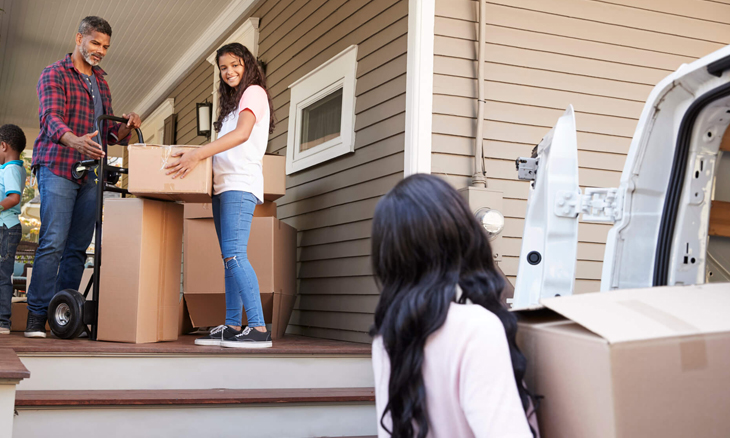

First-time home buyers plan for the down payment, but other costs show up along the way. Earnest money, inspections, appraisals, escrow fees, insurance, utility setup and repairs after closing can add to your budget. Knowing about these unexpected costs before you buy your first home helps you plan ahead and avoid surprises at the closing table.
Here are the costs you should prepare for when buying a home.
What Is Earnest Money When You Buy a Home?
Earnest money is a deposit you offer when you submit an offer on a home. It shows the seller you are a serious buyer.
If the seller accepts your offer, the earnest money goes toward your down payment and closing costs. If the offer falls through, contingencies in the contract usually return the money to you.
Because you are working with a binding contract, talk through the details with your real estate agent before you put down earnest money. Some situations can cause you to forfeit the deposit. Earnest money typically runs 1 to 2 percent of the total purchase price.
Who Pays for Home Inspections and Appraisals?
Inspections and appraisals matter when you buy a home. A home inspection can catch problems like leaky pipes or a termite infestation before you close.
Inspection findings give you room to negotiate. You can ask the seller to repair the defects or lower the sales price. As the buyer, you will likely pay for the inspection, and it helps to be present while the inspector works.
An appraisal gives you an accurate market valuation, so you know you are paying a fair price. Buyers typically cover the appraisal cost, though you can sometimes negotiate this point with the seller.
How Do Escrow Fees and Escrow Accounts Work?
An escrow officer acts as an independent third party to keep the closing process on track. Buyers and sellers typically split the escrow fee.
Your lender may also require a separate escrow account for property taxes and insurance. The lender estimates these costs and divides them into 12 monthly payments, added to your mortgage bill.
At the end of the year, your lender adjusts the amount based on actual tax and insurance bills. You get a refund if you paid too much, or the lender spreads out the difference over the next year if you paid too little. Skip the escrow account, and you handle both payments yourself.
Timing matters here too. See How to Time Your Move Between Sale and Closing Dates.
What Types of Insurance Will You Need?
Homeowner costs generally fall into three insurance categories: homeowners’ insurance, mortgage insurance and supplemental insurance.
Homeowners’ insurance helps pay for repairs, covers personal belongings and protects you against liability claims. Many lenders require it, though putting more than 20 percent down may remove that requirement.
If your lender requires mortgage insurance, the cost gets added to your monthly mortgage payment, your closing costs, or both.
Supplemental insurance makes sense if you live in a flood-prone or earthquake-prone area, since standard homeowners’ policies generally leave those risks out.
What Utility Costs Come With Owning a Home?
Renters often pay connection fees for electricity or gas. As a homeowner, you take on setup fees and monthly bills for electricity, gas, water, sewage, trash, recycling, TV and internet.
Utility companies check your credit history before turning on service. Some may ask for a deposit or a letter of guarantee from someone who agrees to cover your bills if you cannot.
See Understanding the Total Costs of Moving.
What Home Repairs and Upgrades Should You Expect?
Even if the sellers cover major repairs, you may still face the cost of a new HVAC system, roof or water heater soon after closing. Other upgrades, like new cabinets, flooring or paint, come down to choice.
Make a list of improvements and sort them by need. A failing HVAC system is a priority, while cabinetry and cosmetic upgrades can wait. Prioritizing repairs keeps costs manageable now, and can help you recoup some of the investment if you sell the house later.
Will the Sellers Leave Their Appliances and Furniture?
Many sellers take their major appliances with them when they move. Check the contract to confirm what stays and what goes. Budget for a refrigerator, washer, dryer, dishwasher, oven and stove if the sellers plan to take theirs.
Items you might assume are fixed, like ceiling fans, light fixtures and AC units, may not stay behind unless the contract names them. See What Goes With You in a Move?.
Appliances need disconnecting at the old home and hooking up at the new home. Alliance Relocation Services’ appliance disconnect and reconnect service handles washers, dryers, gas ranges and refrigerators with ice makers, including leak checks on the lines. Alliance works alongside moving companies across the United States and Canada, so the moving company loads and drives the truck while Alliance technicians handle the hookup work.
See FMCSA’s Protect Your Move, which covers federal rules for interstate household moves.
Once you have budgeted for these costs, you are ready to sign the contract and move into your first home. If you want help with appliance hookups or other specialty moving work, request a quote from Alliance Relocation Services.
Frequently Asked Questions
How much earnest money should I expect to pay?
Earnest money typically runs 1 to 2 percent of the home’s purchase price. The exact amount depends on the offer, so confirm the figure with your real estate agent.
Who pays for the home inspection and appraisal?
Buyers typically pay for both the inspection and the appraisal. You can sometimes negotiate the appraisal cost with the seller.
What happens if I choose not to set up an escrow account?
Without an escrow account, you become responsible for paying your property taxes and insurance directly, rather than through monthly mortgage payments. This means handling two separate bills yourself.
Does homeowners’ insurance cover flood or earthquake damage?
Standard homeowners’ insurance generally leaves out flood and earthquake damage. Supplemental insurance policies cover these risks separately if you live in an area prone to them.
Do sellers take their appliances when you buy a home?
Whether appliances stay with a home or move with the seller depends on what the sale contract states. Many sellers take major appliances with them unless the contract specifies otherwise.