Moving a backyard shed depends on its age, material, and size. A small shed may come apart and go back together at the new home. A larger shed often needs a truck or trailer and a forklift. Compare the cost of moving it against the cost of replacing it before deciding.
What Should You Consider Before Moving a Shed?
Many sheds today are custom made and larger than older models, so many homeowners want to bring theirs along. Before you commit to moving a backyard shed, work through this list:
- The age and condition of your shed
- The materials it is made with, such as sheet metal, lumber, or rubberized plastic
- Its dimensions
- Whether it sits in an accessible area
- How it is assembled, whether screwed, glued, nailed, or welded
- How much it weighs as a whole or in component parts
- The cost of replacing it against the cost of disassembling, moving, and reassembling it
How Do You Move a Shed Intact?
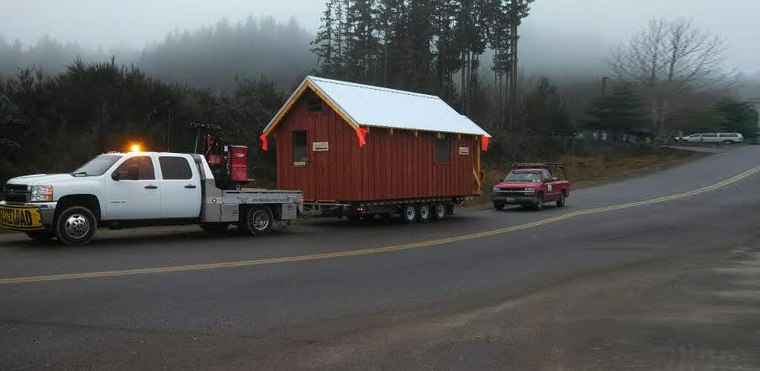
If your shed is small enough, you may disassemble it and put it back together at the new home. If not, there are two main ways to move a shed intact: on a truck or on a trailer. Either method needs a forklift to lift and place the shed. You can sometimes rent a forklift, but most jobs call for an experienced operator. That cost should factor into your decision alongside the price of a new shed.
How Do You Move a Disassembled Shed?
Taking a shed apart takes more time and effort, but it is a safer way to move it. Consult the owner’s manual before you start. As you work, take photos of the hardware and its placement.
Keep hardware organized in labeled ziplock bags. Mark matching parts with numbers or symbols, such as Xs and Os, so reassembly goes smoothly at your new home. Alliance Relocation Services uses a similar process for furniture disassembly and reassembly, bagging and labeling hardware before putting pieces back together at the destination.
Which Sheds Cannot Be Moved?
Certain sheds cannot be moved. Prohibitive weight, water damage, termite infestation, or dry rot can rule out a move. A location blocked by fences, power lines, telephone poles, or trees can also make a shed inaccessible.
What Are Your Options for Moving a Shed?
Once you confirm your shed can be moved, pick a method. Homeowners generally choose between doing the job themselves or hiring movers. See Full Service Move or DIY?.
Should You Move a Shed Yourself?
A DIY move can be quick if you have the right equipment and skills. Factor in the shed’s weight, structural condition and dimensions. Check whether the shed is fastened to a concrete slab or just resting on the ground.
If the shed has sunk into the ground, use shovels or hydraulic car jacks to lift it out. If you cannot back the truck or trailer close enough, you’ll need to move the shed to the vehicle by forklift, by carrying it, or by rolling it.
To roll a shed, lay thick sheets of plywood or Masonite over level ground, especially if the ground is moist or uneven. Place rollers, such as PVC or metal pipes or round timbers, underneath and lift the shed onto them so it rolls with little effort.
Should You Hire Movers to Move Your Shed?
Professional moving companies rarely move sheds in one piece. Some moving companies may take a shed apart first, then move it. You can schedule a crew to disassemble, move, and reassemble the shed as part of one job.
For a local move, you typically pay the crew by the hour. For a longer distance, you may pay by weight. Get a firm quote that lists all services and details before you book. Always tell your moving company upfront that a shed is part of the job, so the crew can plan the right equipment and timing.
See Reasons to Hire Professionals to Assist with Your Move.
How Do You Prepare Your Shed for a DIY Move?
Follow these steps to get your shed ready to move on your own.
1. Gather Your Supplies
You will need:
- Screwdrivers, pliers, a hammer, and a crowbar
- Heavy-duty steel or PVC pipes, or round timbers, for rolling the shed
- About six sheets of plywood or Masonite, more for longer distances
- Close-toed footwear, long pants, and a long-sleeved shirt
- Sturdy gloves
2. Empty Your Shed
Don’t move your shed with tools or other items left inside.
3. Remove Windows and Doors
Lifting a heavy shed that hasn’t moved in years can cause warping, which can break doors or shatter windows. If the windows and doors come out easily, remove them first.
4. Create Access to Your Shed
Trim grass and weeds around the shed to see whether it sits on a concrete foundation or directly on the ground. Ground-level sheds may be soggy, rotten, or sunk in, and you may need to dig them out or raise them.
Older sheds often show damage during this step, so this is a good time to reconsider whether the move is worth it. Watch for critters that like to live under sheds, such as rats, snakes, and scorpions.
5. Use Your Legs Instead of Your Back
If people are doing the lifting instead of power equipment, lift with your legs as much as possible. Always bring more helpers than you think you’ll need. More hands lower the risk of injury or shed damage during a heavy lift. See 10 Moving Day Safety Tips.
6. Load Your Shed
If you’re using a forklift to load the shed onto a trailer, raise it on skids, concrete blocks, or evenly spaced 4x4s so the forks can slide in and out. Keep the shed as square on the trailer as possible, and secure it with at least three chains or nylon straps over the top.
If you’re lifting it manually, plan for three to five helpers depending on the weight. Wear gloves, long pants and sleeves, and heavy-duty boots to protect against crushed fingers, gouged knees, and smashed toes.
7. Drive Carefully
A properly loaded and secured shed makes for a straightforward drive. Go slowly, avoid sudden braking or acceleration, and take turns gently. If you’re moving farther than across town, stop after the first 10 miles to check that chains and straps haven’t loosened.
8. Reassemble Your Shed
To get your shed from the truck or trailer to its spot in the new backyard, repeat the earlier steps in reverse.
If you’d rather hand off the heavy lifting, request a quote from Alliance Relocation Services for furniture disassembly and reassembly across the United States and Canada.
Frequently Asked Questions
Is it cheaper to move a shed than to replace it?
It depends on the shed’s weight, materials, and how far you’re moving it. Weigh the cost of a forklift operator or moving crew against the price of a new shed before deciding.
Can a shed be moved without taking it apart?
Yes. Small sheds can be taken apart, and larger ones move whole on a truck or trailer with a forklift.
Should windows and doors come off before a shed moves?
Yes. Removing windows and doors first helps prevent warping or breakage that can happen when lifting a shed that hasn’t moved in years.
How many people do you need to move a shed by hand?
Plan for three to five helpers depending on the shed’s weight. More helpers reduce the risk of injury and damage during the lift.