Winter driving while moving calls for slower speeds, more following distance, careful route planning and a packed safety kit. These habits cut the risk of skids, pileups and delays when storms hit during a move. The tips below cover road hazards, braking, hills and when to postpone a drive altogether.
What Winter Road Hazards Should Drivers Watch For?
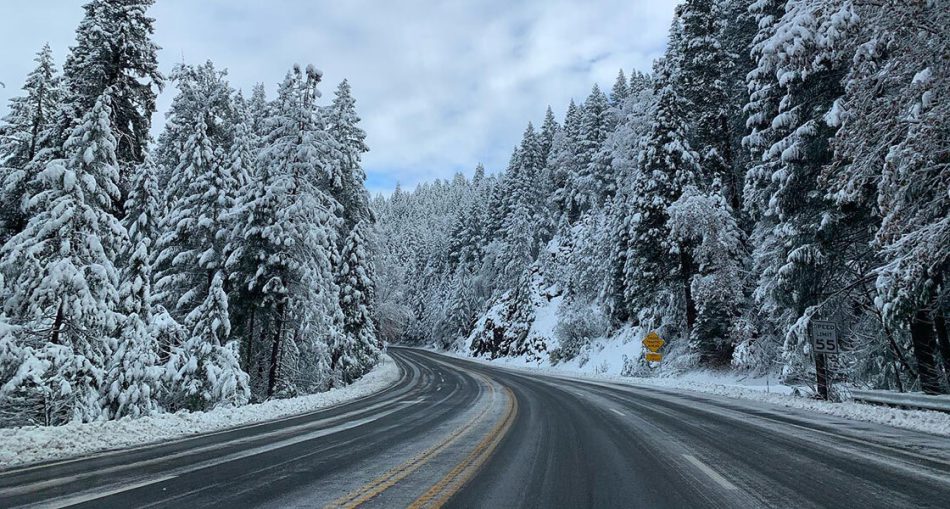
Winter road hazards change by the hour, so check weather reports throughout the day. Conditions can change quickly, even within a single day.
How Do You Handle a Skid or Slide on Icy Roads?
Turn the steering wheel in the direction of the skid or slide to regain control. The instinct is to yank the wheel, but turning into it helps instead. Take a breath, make small, gentle steering movements, and get going again.
How Much Should You Slow Down When Driving in Winter?
Plan for a winter trip to take up to twice as long as the same drive in summer. Even seasoned drivers can have an accident if they go too fast on snow or ice. Arriving a little late beats getting into an accident.
When Should You Avoid Driving in Winter Storms?
Skip the drive if you lack the experience, equipment or comfort level for icy or snowy roads. A bus, cab or car-sharing app can cover the trip instead. Staying home until conditions improve is often the safer call.
How Do You Re-Route Around Winter Driving Hazards?
Steer clear of winding roads, hills in both directions, and neighborhoods that snow plows skip. A mapping app like Google Maps makes it simple to find an alternate route around these trouble spots.
For broader planning around a cold-weather move, see Moving in Winter.
How Much Distance Should You Keep From Other Cars in Winter?
Keep extra distance between your car and the one ahead during winter conditions. Skip risky passing attempts as well.
Why Should You Change Speeds Slowly on Ice and Snow?
Accelerating and braking too fast rank among the riskiest moments on ice and snow. Ease into speed changes instead of slamming the brakes or gas pedal, and expect some slipping along the way.
Should You Avoid Using the Brakes on Winter Roads?
Lean on gentle habits before reaching for the brake pedal. Braking on hills and at stoplights can make slippery roads more dangerous, so ease off the gas well ahead of a stop. Drivers with a manual transmission can let the gears slow the car. Anyone who needs to stop fully should pump the brakes rather than slam them.
Should You Stop While Driving Up an Icy Hill?
Keep moving if you’re climbing a slippery hill.
What Should Be in Your Winter Driving Safety Kit?
Pack a winter safety kit and bring a charged phone on winter trips, in case you need to call for help.
If a winter move involves pieces that need extra care, Alliance Relocation Services handles the specialty work at both ends. Alliance technicians craft custom crates for art and fragile items, disconnect and reconnect appliances, and disassemble and reassemble furniture. They also unpack boxes once you reach your new home. See Alliance’s specialty moving services for the full list, available across the United States and Canada. For more winter-specific precautions, read Navigating the Frost: Top Safety Tips for Winter Moves.
Request a quote to line up specialty moving help before your next winter trip.
Frequently Asked Questions
How much extra time should I plan for a winter trip?
Plan for a winter trip to take up to twice as long as the same drive in summer. Avoid overestimating your ability to navigate icy roads quickly, and remember arriving late beats an accident.
What should I do if I hit a skid or slide?
Turn the steering wheel in the direction of the skid or slide to regain control. Make small, gentle steering movements to regain control, then get going again.
What should I have in the car on a winter drive?
Pack a winter safety kit and bring a well-charged phone. The phone is handy in case you need to call for help.
Who handles specialty items like pianos or TVs during a winter move?
Alliance technicians handle the specialty work at origin and destination. Pianos, pool tables and grandfather clocks get a condition report before and after the move, and Alliance packs TVs.