
Settling into a new home in winter takes more than unpacking boxes. It means sealing in heat, keeping the air healthy, and creating a warm, cozy space that supports comfort through the cold months. Alliance Relocation Services shares practical steps for the transition.
How Do You Keep a New Home Warm in Winter?
A warm, energy-efficient home starts with checking insulation, sealing drafts, and controlling heat use.
- Inspect and upgrade insulation. Check insulation in the attic, basement, and crawl spaces. Upgrading insulation improves heat retention and lowers energy bills.
- Seal drafts. Add weather stripping around doors and windows. This small step keeps a home warmer and cuts heating costs.
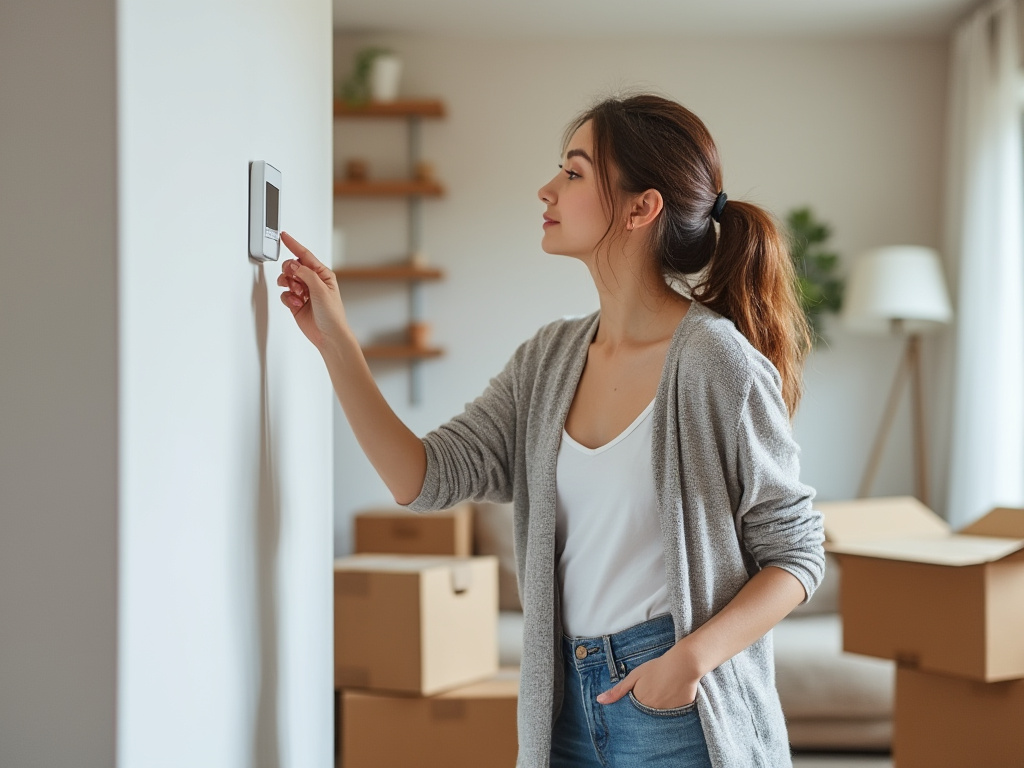
- Install a smart thermostat. A smart thermostat helps control heating and saves on energy costs. These devices let you program temperature settings around your daily schedule.
Alliance Relocation Services also published Heating and Lighting: Preparing Your New Home for a Winter Arrival.
How Can You Improve Indoor Air Quality in Winter?
Winter often means spending more time indoors, so air quality matters for health and comfort.
- Change HVAC filters regularly. Swap filters shortly after moving in, then again every few months. Clean filters improve air quality and heating efficiency.
- Use a humidifier. Central heating can dry out indoor air, which may lead to respiratory irritation and dry skin. A humidifier helps maintain comfortable humidity levels.
How Do You Create a Cozy Winter Ambiance?
A home’s look and feel matter as much as its temperature.
- Add soft lighting. Warm, soft lighting creates a cozy atmosphere. Floor lamps, table lamps, and string lights add warmth to a room.
- Bring in warm decor. Warm colors and soft textures make a space feel inviting. Thick rugs, fluffy throws, and soft pillows add comfort.
- Add personal touches. Family photos, books, and art make a new space feel familiar.
How Do You Stay Organized After a Winter Move?
Staying organized and cutting clutter affects comfort and stress levels during a move.
- Choose storage-friendly furniture. Shelving units, closet organizers, and furniture with hidden storage keep belongings in order and out of sight.
- Declutter regularly. After unpacking, sort through belongings and donate or dispose of items no longer needed.
How Do You Support Your Wellbeing During a Winter Move?
Mental and physical health matter during the colder months.
- Set up a relaxation space. Designate an area for relaxing, meditating, or reading. A comfortable chair, good light, and a small table make a cozy corner for unwinding.
- Stay active. Find ways to stay active despite cold weather. A small home gym or a quiet space for yoga works well indoors.
Alliance Relocation Services also published Setting Up Your New Home for Winter Success.
Conclusion
Settling into a new home during winter calls for attention to comfort and health. These steps help create a warm, welcoming, wellness-focused space. Alliance Relocation Services provides all Alliance specialty moving services across the United States and Canada, including crating, furniture disassembly and reassembly, appliance hookups, and unpacking.
Request a quote for help with your next winter move.
Frequently Asked Questions
What helps the most with comfort in a new winter home?
Heat, air quality, and organization all add to comfort in a new winter home.
What should you check first after moving into a new home in winter?
Check insulation and seal drafts around doors and windows first. This keeps heat in and lowers energy costs from the start.
Does a humidifier help with winter moving stress?
A humidifier helps maintain comfortable humidity after central heating dries out indoor air. Dry air can lead to respiratory irritation and dry skin, which a humidifier helps with.
Why does organizing matter after a winter move?
Clutter adds to stress during a move. Storage-friendly furniture and regular decluttering create a calmer, more comfortable home.