Parcel shipping works best for single, lightweight items shipped locally or on demand. Pallet shipping, or LTL, suits bulk freight over 150 lbs moving to one location. Cost, tracking, safety and speed shift between parcel vs pallet shipping, so the right choice depends on your shipment’s size and timeline.
What Is the Difference Between Parcel Shipping and Pallet Shipping?
Alliance Relocation Services often hears this question from clients choosing a shipping method for a business. Parcel shipping and pallet shipping (LTL) look similar on the surface, but the right pick affects your cost, safety and delivery speed. The sections below break down how parcel and pallet shipping work, and when a business should choose one over the other.
What Is Parcel Shipping and When Should You Use It?
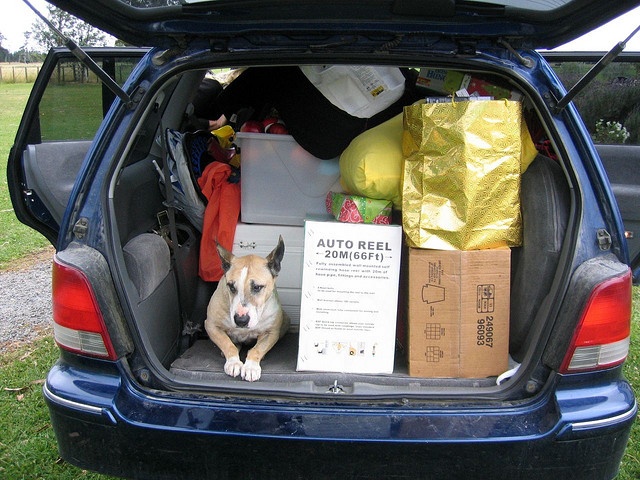
Parcel shipping covers small, lightweight boxes you can lift without help, usually under 150 lbs. Parcels get labeled and shipped individually, with protective materials like styrofoam or bubble wrap packed inside the box. Some carriers classify a box as a parcel if its combined length and girth stay under 165 inches.
A carrier consolidates your parcel shipment on a pallet with other parcel shipments, sends it to a facility, then reconsolidates it again. This manual handling raises the risk of damage or loss, especially for fragile or lighter boxes mixed with heavier ones on the same pallet. The many checkpoints also make parcels easier to track than some types of pallet shipping. Parcel trucks follow a set daily route that rarely changes, so parcel shipping suits time-sensitive deliveries well.
Parcel shipping fits best for single, smaller items sent to individual customers, local or on-demand deliveries, and shipments where timing matters. If you need help packing individual items like electronics or fragile pieces during a move, see all Alliance specialty moving services.
What Is Pallet Shipping (LTL) and When Should You Use It?
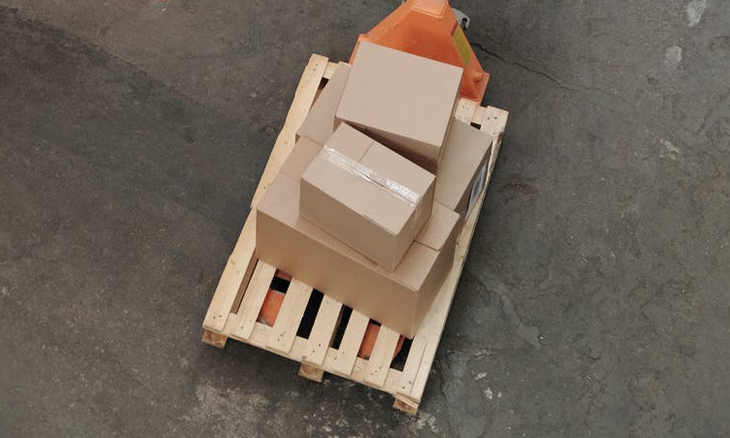
Pallet shipping, or LTL, fits freight over 150 lbs or bulky items. Palletized shipments carry a lower risk of damage because the packaging handles them more safely, with fewer manual handling steps and checkpoints along the way. Forklifts move pallets, which is generally safer than the conveyor belts used for parcel shipments.
Pallet shipping lets you transport multiple packages to the same location together, which lowers your shipping cost per package. An LTL shipment travels to a distribution or fulfillment center, where it gets unloaded and consolidated with other pallets headed to the same area. It then ships to another terminal for reconsolidation, or goes straight to the delivery location.
LTL fits a business that ships large freight volumes on a regular basis, or needs multiple shipments to arrive together. For more ways to manage freight costs on larger shipments, see Make Your International Shipping More Efficient.
What Are the Key Differences Between Parcel and Pallet Shipping?
How Does Cost Compare Between Parcel and Pallet Shipping?
Pallets cost more upfront than parcels because they weigh more and take up more space. Shipping a large volume of freight on one pallet still lowers your cost per package compared to sending the same items as separate parcels.
Which Option Is Easier to Track?
Parcel shipping tends to be easier to track because of its many checkpoints. Carriers update the shipment location at these checkpoints as the boxes move toward delivery.
Which Option Is Safer for Your Shipment?
Parcels tend to be more fragile than pallets, ship in larger volumes, and pass through manual handling at many checkpoints. This combination raises the risk of loss or damage along the way.
Which Option Is Faster?
LTL shipments face a higher chance of delays moving between terminals by truck or train, and human error plays a bigger role in pallet shipping. If a carrier arrives expecting two pallets and finds twice as many, loading time increases quickly, and a full truck can push same-day pickups to the next day. Parcel shipments rarely run into this problem, since a few unexpected boxes make little difference to loading and pickup schedules.
Alliance Relocation Services works with moving companies across the United States and Canada. If you’re planning a full move alongside a shipment, see Great Ideas for an Easier Move.
For shipping advice tailored to your situation, request a quote through Alliance’s quote form or call 877-242-0409 to talk through your options.
Frequently Asked Questions
How do I choose between parcel and pallet shipping?
Pick parcel shipping for single, lightweight items under 150 lbs headed to one customer, especially when timing matters. Pick pallet shipping for freight over 150 lbs or multiple packages going to the same location.
Does pallet shipping protect fragile items better than parcel shipping?
Pallet shipments pass through fewer manual handling steps and checkpoints, and forklifts move them rather than conveyor belts. This generally lowers the risk of damage compared to parcels.
Why is parcel shipping easier to track than pallet shipping?
Parcel shipments pass through many checkpoints, and carriers update the shipment location at these checkpoints along the way. This gives you more visibility than some types of pallet shipping offer.
Can pallet shipping delay a time-sensitive delivery?
Yes, LTL shipments can face delays between terminals, and loading problems or human error can push a pickup to the next day. Parcel trucks follow a set daily route, which makes parcel shipping more reliable for urgent deliveries.