
Here’s how to pack a moving pod for a safe, efficient move. Clean items first, sort boxes by weight, and build floor-to-ceiling walls from the back of the container to the front. Place heavy boxes on the bottom, then secure the walls with rope or straps. Balance heavy furniture on both sides to keep items stable during transport.
Moving containers give you the flexibility to pack at your pace, and you skip driving a large moving truck. Loading one well takes some planning, so these tips help keep your valuable items safe during transport. For general container packing basics, see our guide How to Pack a Moving Container.
What Is a Moving Container?
A moving container goes by several names: portable moving container, storage container, moving pod, or simply pod. All these terms describe the same moving method.
This option falls between hiring professional movers and handling the whole move yourself. The moving container company drops off the pod at your old home. You load it at your pace. The company picks up the container, ships it, and drops it off at your new home.
How Do You Plan a Pod Move?
Planning ahead keeps your pod move on track and on time. Follow this checklist before loading day.
- Clean unpacked items such as furniture and appliances, especially if your pod goes directly into storage. Cleaning items at your new home only adds to the work.
- Purge unwanted items beforehand, rather than while you pack the pod.
- Pack items in stackable storage boxes to create a compact, efficiently loaded pod. Bulky, odd-shaped boxes from the supermarket may cost nothing but lead to a poorly packed container.
- Divide packed boxes into heavy and light piles to make it easier to distribute weight properly when loading.
What Are the Best Ways to Load a Pod?
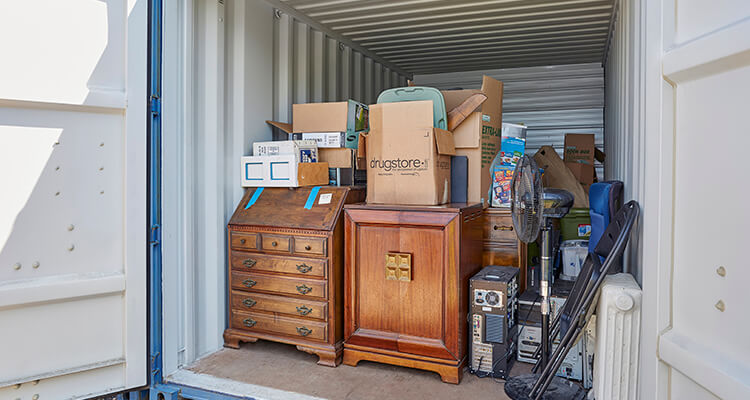
Load a pod by building floor-to-ceiling walls of boxes from the back to the front, then balancing heavy items on both sides.
Build floor-to-ceiling walls. Start at the back of the moving container and build floor-to-ceiling walls, or tiers, of packed boxes. Place heavy boxes at the bottom and lighter boxes at the top of the wall.
Moving pods have hooks or anchors throughout the container. Secure the tiers with rope or moving straps to these anchors.
Picture the finished wall marked with a big X of braided rope. Complete the wall, then move toward the front of the container.
Distribute weight evenly. When loading heavier items like furniture and appliances, balance them evenly on both sides of the moving container. Heavy items on one side can cause weight shifts and possible damage during transport.
How Do You Prepare Furniture and Appliances for a Pod?
Prepare furniture and appliances by breaking them down, wrapping them for protection, and securing them with straps before loading.
- Break furniture down as much as possible.
- Wrap furniture and appliances in moving blankets, bubble wrap, and pads to protect surfaces.
- Pack couches on their ends, if possible, to leave more storage space.
- Load heavy items along the sides of the pod, close to anchors.
- Secure mattresses in mattress covers.
- Secure heavy items with moving straps to prevent movement during the trip.
If you want help disconnecting appliances before loading, Alliance Relocation Services offers appliance disconnect and reconnect service for washers, dryers, and refrigerators with ice makers, including a leak check. Alliance Relocation Services works alongside moving companies across the United States and Canada.
How Do You Prepare a Moving Pod for Long-Term Storage?
Protect belongings in long-term storage by adding moisture absorbers and placing frequently needed items near the front of the pod.
If you won’t unload the storage pod right away at its destination, take extra steps to protect your belongings. Add moisture absorbers to the container to prevent mold and mildew growth over time.
If you think you may need to access the pod during storage, rethink your packing plan. Place items you may need closer to the front of the container. For more storage tips, see our guide Protect Your Items in a Storage Unit.
What Are More Loading and Packing Tips for a Moving Pod?
- Never pack perishables in a pod.
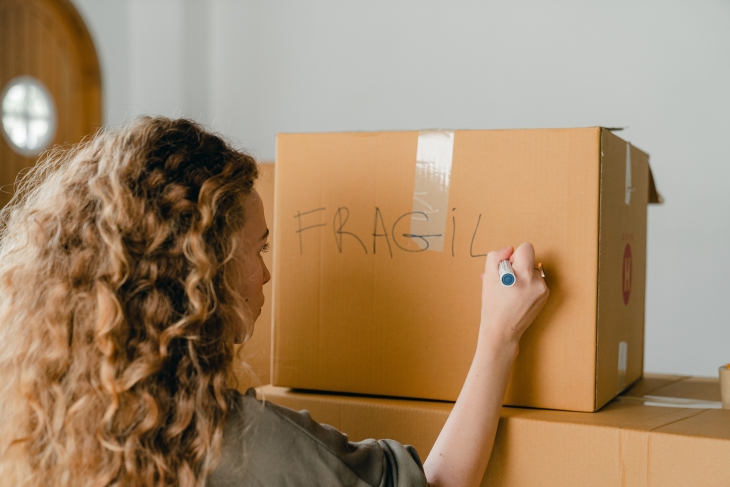
- Label boxes so you can see at a glance what the contents are.
- Use specialized picture boxes for artwork, mirrors, and flat-screen TVs.
- Place a large sheet of cardboard or flattened boxes at the entry of the container. This creates a barrier that keeps items from falling against the door during the move and helps prevent door jams when you unpack.
- Keep an itemized list of what you packed.
- Keep valuables and important documents on your person instead of loading them into the pod.
If you want hands-on help with furniture disassembly, appliance hookups, or unpacking at your new home, Alliance Relocation Services can send an insured technician to assist. Request a quote. Most quotes come back in minutes, and odd or large jobs may take until the next business day.
Frequently Asked Questions
What Should You Load First in a Moving Pod?
Start loading at the back of the pod, and put heavy items along the sides, close to the anchors. Build floor-to-ceiling walls as you go, with heavy boxes on the bottom and light boxes on top.
Can You Store a Moving Pod Long-Term?
Yes, but add moisture absorbers to prevent mold and mildew growth over time. Place items you may need to access closer to the front of the container.
What Should You Never Pack in a Moving Pod?
Never pack perishables in a pod. Keep valuables and important documents on your person instead of loading them into the container.
Does Alliance Relocation Services Help With Appliances Before a Pod Move?
Yes, Alliance Relocation Services offers appliance disconnect and reconnect service for washers, dryers, and refrigerators with ice makers. Technicians complete a leak check as part of the service.
How Do You Get a Quote From Alliance Relocation Services?
Fill out Alliance’s quote form or call, and describe the furniture disassembly, appliance hookups, or unpacking help needed at your new home.