Packing fragile items for moving takes advance planning, the right supplies, and clear fragile labels on several sides of the box. Wrap plates, glasses, and picture frames individually in bubble wrap or packing paper, then pack them in sturdy, snug-fitting boxes. These steps protect valuable china, crystal, and original artwork during a move.
What are the best tips for packing fragile items for moving?
Packing fragile items for moving goes smoother with four core habits: starting early, gathering the right tools, labeling boxes clearly, and planning for different item types ahead of time.
How early should you start packing fragile items for a move?
Packing valuable, fragile items like crystal and porcelain takes time along with care, so don’t rush the process. Hiring professionals is one option worth considering. If you pack the items yourself, start well in advance of moving day. Decide ahead of time which pieces will travel in the moving truck and which will ride with you in the car.
What tools do you need to pack fragile items?
Gather strong, quality moving boxes in several sizes, along with packing paper, bubble wrap, pliable cardboard, scissors, and packing tape. A large table gives you space to lay out items and pack without clutter around you. A friend or family member can help with larger pieces.
How should you label boxes with fragile items?
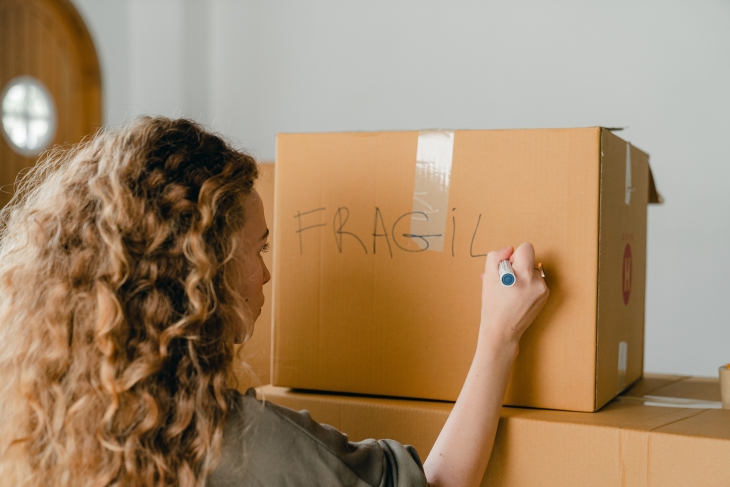
Label boxes “fragile” in large, easy-to-see letters. Mark several sides of the box so movers see the label.
Why should you plan ahead for different item types?
Packing a smart TV looks very different from packing crystal goblets. Research the best way to pack the various items in your home before packing day arrives. Planning ahead keeps you from running out of packing peanuts and bubble wrap partway through.
How do you pack the most common fragile items?
Different fragile items need different packing approaches, from dishware to electronics and picture frames.
How do you pack plates for moving?
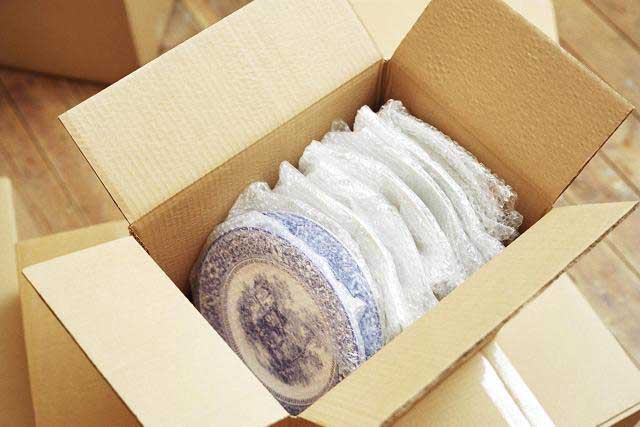
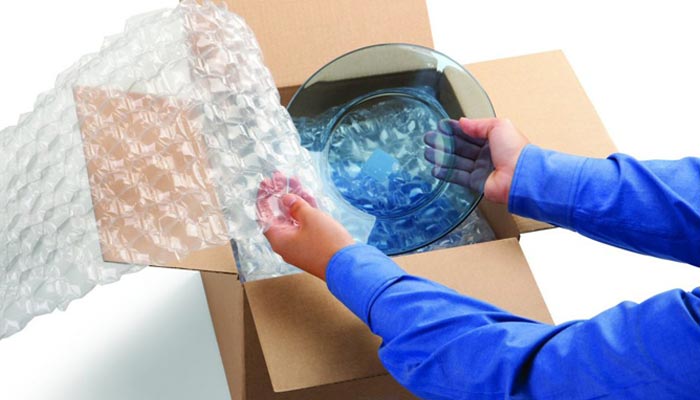
Pack fragile plates vertically in small to medium boxes. Line the bottom, sides, and top with crumpled packing paper. Wrap plates individually in bubble wrap and tape them closed, then place paper between plates and avoid overpacking the box, since plates get heavy quickly. Dish packs made specifically for plates are also worth considering.
How do you pack glasses for moving?
Wrap glasses individually with bubble wrap or packing paper, similar to dishes. Line the box with crumpled packing paper, then layer paper or packing peanuts around the glasses to keep them from shifting. Place the heaviest items at the bottom and mark clearly which side of the box faces up.
How do you pack pictures and frames for moving?
Pack picture frames in small to medium boxes with ample paper lining. Stand frames larger than 8 inches upright for packing and moving. Wrap frames in bubble wrap and fill spaces with packing paper. Paintings and pictures over 3 feet should travel secured with a moving blanket, wrapped in plastic, and moved separately.
How do you pack a TV for moving?
Disconnect the cables, electrical cords, and accessories first. Pack those items together in a plastic bag and label the bag. Wrap the screen in a moving blanket and secure it well with packing tape, using a box sized correctly for your TV.
How do you pack lamps for moving?
Pack lampshades separately in individual boxes with plenty of packing paper, filling the interior of the shade as well. Lamp bases can go in sturdy boxes surrounded by bubble wrap.
How much tape do you need for fragile items?
Don’t skimp on packing tape. Wrap an entire piece with tape if that’s what it takes to keep it stable and snug. Pack the piece in a paper-lined box roughly the same size as the object. Fill gaps with crumpled paper, tape the box securely, and mark it in bold felt marker: FRAGILE.
What packing materials should you avoid for fragile items?
Old towels, small blankets, newsprint, and paper towels are common choices for wrapping fragile items, but they often fail to protect items well. Newsprint can leave dirt behind, meaning more washing once you reach your new home. Paper towels lack strength and reliability. Old towels slip easily and can’t be secured with tape, which matters for packing valuables properly. Investing in the right materials helps prevent damage or destruction.
Need help packing fragile items for your move?
Let your movers know which boxes hold fragile items before loading day. Alliance Relocation Services is a third-party specialty moving company working alongside moving companies across the United States and Canada. Insured, background-checked technicians handle custom crating, TV packing, appliance disconnects, furniture disassembly, and unpacking. If you’re unsure about your packing skills, call Alliance Relocation Services for a consultation and estimate. See Alliance’s specialty moving services.
See Safely Packing Your Kitchen for a Move: Special Tips for Your Turkey Fryer and How to Pack Your Kitchen.
Alliance returns most quotes in minutes, while odd or large jobs may take until the next business day. Request a quote to get started on your move.
Frequently Asked Questions
Is it okay to use newspaper to wrap fragile items?
Newsprint isn’t a strong choice for wrapping fragile items. It can leave dirt behind, which means extra washing once items arrive at your new home.
What size box works best for fragile items?
A box roughly the same size as the fragile object works best. Fill any gaps around the item with crumpled packing paper to stop it from shifting.
Why does starting early help when packing fragile items?
Start packing fragile items well in advance of moving day. Rushing increases the chance of chips, cracks, or breaks along the way.
Who can help if I don’t want to pack fragile items myself?
Alliance Relocation Services offers insured, background-checked technicians for packing and specialty moving work across the United States and Canada. A call to Alliance can get you a consultation and estimate for your move.