Packing a kitchen takes patience because dishes break easily and boxes fill fast. This approach uses padding, small and medium boxes, and a size order: large plates first, then cups, mugs and saucers, then bowls. This guide covers how to pack your kitchen, including the full process for packing dishes and tips for unpacking them later.
What do you need to pack your kitchen dishes?
Gather several small and medium boxes, plenty of padding, and tape before you start. Clean foam wrap and blank newsprint are two of the best choices for packing dishes. See How to Pack Your Dishes for more. Newspaper can leave black streaks on dishes, so plan to wash them off at your new home if you use it. A package of disposable Styrofoam plates also works well between plates.
How do you pack plates for a move?
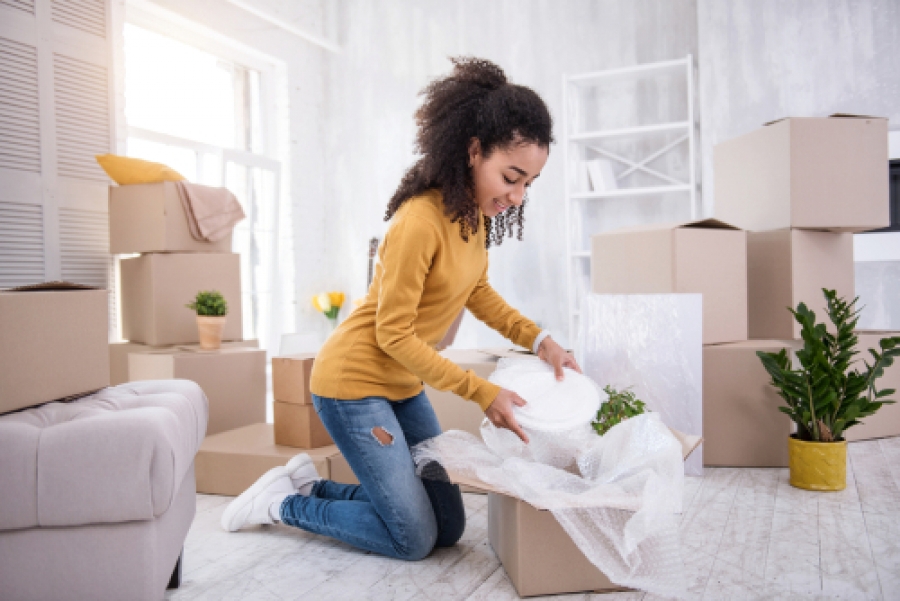
Start by placing a layer of padding on the bottom of the box. A couple of sheets of crumpled paper, foam, or bubble wrap works well for this layer. Begin with the largest dishes: serving plates and dinner plates.
Wrap plates completely with two to three sheets of paper, foam, or bubble wrap, then tape them closed. A Styrofoam plate between dinner plates still needs a wrap around it to stop chipping. Stack the plates and tuck extra padding into the corners. Once the large plates are in, move to the next size and keep stacking.
How do you pack cups, mugs, and saucers?
Once the plates are wrapped and stacked, move on to cups, mugs, and saucers. Fill cups and mugs with padding as you wrap them. Smaller items like cups and mugs fit into the gaps above the large plates and around the smaller plates.
For tips on wrapping stemware and glassware alongside your dishes, How to Pack Stemware, Glassware, and Dishes is a related guide.
How do you pack bowls for moving?
Wrap bowls completely and tape them before stacking. Start with large serving bowls, padding the box and tucking padding around them. Then wrap smaller soup, cereal, and ice cream bowls and nest them inside the large serving bowls, filling gaps with more padding.
How do you fill and seal a dish box?
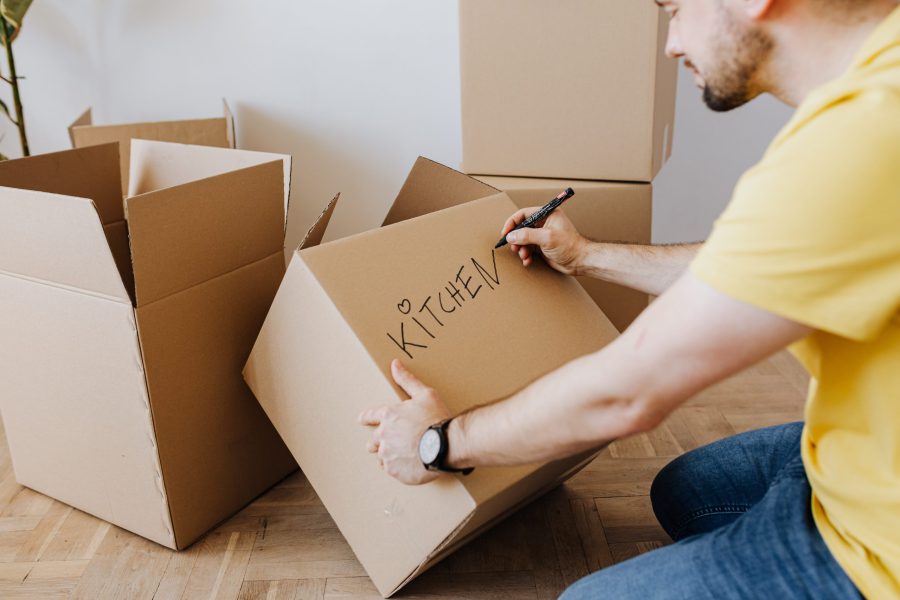
Fill dish boxes to about a quarter inch from the top, then fill the remaining space with paper, bubble wrap, foam, or dish towels. The box top should stay flat, without gaps that can collapse under other boxes. Give the box a couple of gentle shakes. If the contents shift, add more padding around the sides. Seal and label boxes with detail, such as “dinner plates, box one of three.”
How do you unpack dishes at your new home?
Decide what goes where before you start unpacking. Think about how you’ll use the kitchen, so mugs stay near the coffee maker and glasses stay near the water. Keep the items you use most within easy reach. Unpack as close to where items will live as possible, and keep counters clear so you have room to work. Unwrap items fully before placing them in cabinets so you can see how much space everything takes.
Keep a large box nearby for packing materials as you unwrap items, and flatten boxes as you empty them. Clean packing materials mean your dishes likely won’t need washing, though a quick wipe for dust or paper lint is a good idea.
If you’d rather skip this step, Alliance Relocation Services offers an unpacking service. Alliance unpacks boxes, puts the kitchen away, makes the beds, and hauls off the packing paper when the job is done. Alliance works across the United States and Canada. Moving companies load and drive the truck, while Alliance technicians handle the unpacking at your new home.
With plenty of padding, enough boxes, and some planning ahead, packing and unpacking the dishes can go smoothly. Get a quote for unpacking help with your move.
Frequently Asked Questions
How many boxes do I need to pack a kitchen?
Plan for several small and medium boxes, since dishes pack best in smaller batches with plenty of padding around them.
What padding works best for packing dishes?
Clean foam wrap or blank newsprint works well, since newspaper ink can leave streaks that need washing off later.
Should I wrap plates individually or in stacks?
Wrap plates individually with two to three sheets of padding, then stack them with extra padding tucked into the corners of the box.
How do I label kitchen boxes for easier unpacking?
Label boxes with details such as the contents and box count, like “dinner plates, box one of three,” so you know what’s inside before you open it.
Can someone unpack my kitchen for me?
Yes. Alliance Relocation Services offers an unpacking service that puts dishes and kitchen items away at your new home.