
During an international move, belongings go through a survey, packing, loading, customs clearance, and delivery. The international moving process can take several weeks as items travel by truck, ship, or aircraft and pass through customs inspections before reaching the new home. Understanding these stages helps reduce uncertainty and makes planning the move easier.
What Happens During the Pre-Move Survey and Planning Process?
A professional moving company typically conducts a survey before packing begins. The survey determines shipment volume, flags items that need special handling, and helps set the transportation arrangements.
This assessment may happen in person or through a virtual consultation, depending on the company and circumstances. For families with larger homes, it may also cover fine art, antiques, valuable furniture, recreational equipment, and other possessions that need extra attention.
The survey is also a chance to discuss which belongings travel with the family right away, which travel by sea, and whether temporary storage makes sense. An accurate survey matters because shipment volume, destination, transportation method, and additional services all affect the cost and complexity of an international move.
What Should You Ship, Store, or Leave Behind?
Not everything in your home needs to travel overseas. International relocation is a good time to sort through household possessions and decide what comes along.
Large appliances may not work with the electrical systems in the destination country. Furniture sized for a spacious American home may not fit a smaller European apartment. Some countries also restrict the import of certain materials, foods, plants, or household products.
Before packing starts, divide belongings into groups based on where they’re going:
- Items needed right after arrival may travel with the family or in an air shipment
- Furniture and most household goods typically travel by sea
- Possessions not needed overseas may go into storage
The length of the relocation matters too. A two-year international assignment may call for different choices than a permanent move. For more guidance on what to pack, store, or leave behind, see our guide Best Tips When Moving Overseas.
Making these decisions before packing day can reduce shipping costs and simplify delivery later.
How Are Belongings Packed and Inventoried for International Moves?
International shipments face different conditions than most domestic moves. Household goods may be handled multiple times as they move between trucks, warehouses, shipping containers, customs facilities, and delivery vehicles. Professional packing plays an important role in protecting belongings along the way.
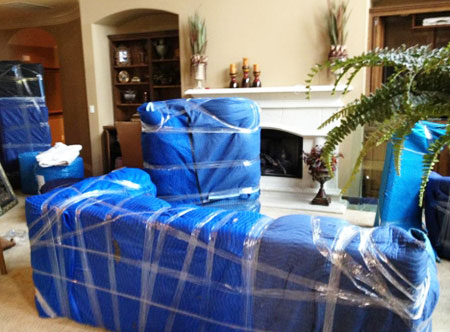
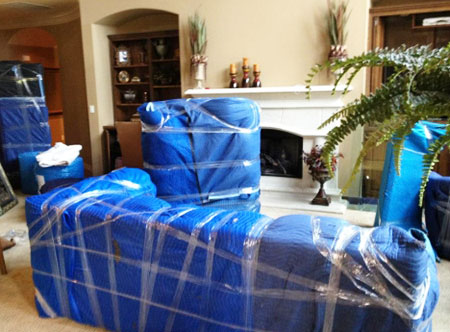
Experienced packing teams use materials and techniques suited to the items being shipped. Fragile dishes, glassware, artwork, electronics, and decorative objects may need extra cushioning or specially designed cartons. Large furniture may be wrapped, padded, or partially taken apart when appropriate.
Particularly delicate or valuable possessions may require custom wooden crates. Alliance Relocation Services builds custom crates on site for art, mirrors, glass and stone tops, antiques, and chandeliers, with padding sized to fit the piece.
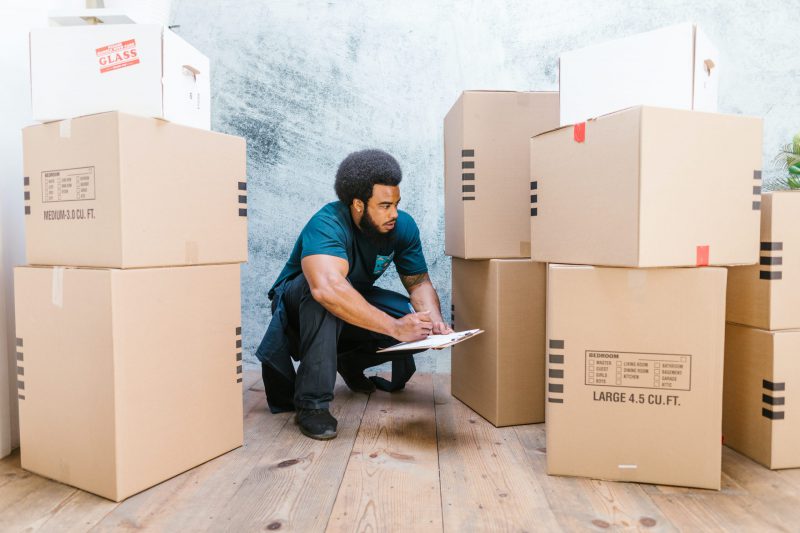
As belongings are packed, a detailed inventory is generally prepared. This document lists the shipment’s contents and supports transportation, customs processing, and delivery. Some countries ask for additional detail or specific documentation, so accurate inventory preparation matters; incomplete or inconsistent information can create problems during customs clearance.
Families should also keep records of valuable possessions, including photographs, appraisals, serial numbers, and other documentation.
Should You Choose Sea Freight or Air Freight?
Ocean freight is the primary transportation method for most full-household moves, while air freight works best for a smaller selection of belongings needed sooner. How you split the shipment affects cost, timing, and convenience.
Shipping containers can hold furniture, clothing, household furnishings, and other belongings in one consolidated shipment. Depending on volume and arrangements, household goods may travel in a dedicated container or share space with other shipments. Ocean freight is generally more economical for larger shipments, but transportation can take several weeks or longer depending on the destination and shipping conditions.
Air freight offers a faster option for selected belongings. Families sometimes use air transportation for key clothing items, school supplies, personal equipment, or other household items needed shortly after arrival. Air freight is typically much more expensive than ocean transportation, particularly for bulky or heavy items.
Some families use a combination of both methods. A smaller air shipment can help bridge the gap between arrival and delivery of the main household shipment. A relocation provider can help weigh the advantages and limits of both options based on destination, budget, and schedule.
How Do Belongings Get to the Port or Airport?
Once packing is complete, household goods begin transportation to the port or airport. For ocean shipments, belongings go to an appropriate port or consolidation facility, depending on the shipping arrangement.
Container loading procedures vary. Some shipments may be loaded into containers at the residence when access and circumstances allow, while others go to a facility for consolidation and container loading.
Cargo must be arranged and secured to reduce movement during transportation. This matters most for ocean shipments, where containers can encounter vibration, movement, and changing environmental conditions. Proper weight distribution and securing techniques help limit the risk of shifting cargo.
Once loaded and documented, the shipment is prepared for export and international transportation. The family may already be settling into the new country while the household shipment is still on its way to the destination.
What Happens During Customs Clearance?
Customs clearance is one of the most complex parts of international moving. Countries set their own rules for importing household goods, and these rules vary by destination.
Some destinations allow qualifying individuals to import used personal possessions with reduced or waived duties under specified conditions. Others impose taxes, restrictions, or documentation requirements.
Commonly requested documents may include:
- Passports
- Visas
- Residence permits
- Shipping inventories
- Customs declarations
- Evidence of a change in residence
Requirements vary considerably by country and can change over time.
Certain possessions can present additional challenges, including:
- Alcohol
- Firearms
- Plants
- Animal products
- Medications
- Particular electronic equipment
Wooden furniture and packing materials may also face inspection or treatment requirements. Families should never assume that an item allowed in their home country can automatically be imported into another one.
An experienced international relocation provider can help families prepare the documentation and shipping requirements for their destination, although customs authorities decide admissibility, duties, and clearance. For a closer look at the paperwork involved in overseas shipments, see our guide Key Considerations When Shipping Overseas.
Advance preparation matters because missing paperwork or prohibited items can delay delivery and create unexpected expenses.
What Happens While Belongings Are at Sea?
For many families, the wait between departure and delivery creates the most uncertainty. While household goods are in transit, they may pass through multiple transportation stages.
Ocean shipments travel according to vessel schedules and shipping routes, which may include intermediate ports or transshipment arrangements. Estimated arrival dates can change because of weather, port congestion, customs procedures, labor disruptions, or other logistical circumstances.
This is why families should avoid scheduling important activities around an assumed delivery date until the shipment’s arrival and clearance have been confirmed.
Think about what the family will need during the wait. Clothing, important documents, medications, school supplies, electronic devices, and other necessities should stay accessible rather than get packed into the main household shipment. Families moving into unfurnished accommodations may also need temporary furniture or basic household items.
Planning for this interval can make the difference between a manageable transition and several frustrating weeks.
What Happens at Arrival, Customs Inspection, and Final Delivery?
When the shipment reaches the destination country, it must complete the applicable import and customs procedures. Depending on local regulations, the shipment may undergo document review, physical inspection, or additional examinations.
Once the required clearance is obtained, the household goods can be released for onward transportation. A destination moving team typically coordinates delivery to the new residence.
Before delivery day, confirm that the property is ready to receive the shipment. Check elevator reservations, parking restrictions, building access requirements, and any limits affecting large delivery vehicles. In some international cities, narrow streets, restricted loading areas, or apartment access can call for special arrangements.
During delivery, household items are checked against the inventory. Depending on the services arranged, movers may unpack cartons, reassemble furniture, and remove packing materials. Take time to inspect belongings and document any missing or damaged items promptly, following the applicable claims procedures.
How Can You Protect Valuable Possessions During International Transportation?
Even carefully packed shipments face transportation risks. International moving may involve multiple handling stages, extended transit periods, and environmental changes.
Families transporting valuable furniture, artwork, antiques, or collections should discuss packing methods and shipment protection before moving day. Alliance handles crating for these pieces, with the crate sized to the piece.
Review the valuation or insurance options available for the shipment. Understand what is covered, what exclusions apply, and what documentation may be required if a claim becomes necessary. For particularly valuable possessions, professional appraisals and detailed photographic records may be worthwhile.
It’s also worth distinguishing between the moving company’s contractual liability and separate insurance coverage, since these protections may differ substantially. Understanding these arrangements before shipment provides greater clarity if an unexpected problem occurs.
Why Does Professional International Moving Coordination Matter?
International relocation involves far more than moving boxes from one address to another. It requires coordination among packing crews, transportation providers, shipping lines, customs authorities, and destination delivery teams. For families balancing professional obligations, school enrollment, housing arrangements, and cultural adjustment, managing these details independently can become overwhelming.
Alliance Relocation Services works alongside moving companies on domestic and international household moves. The moving company loads and drives the truck. Alliance technicians handle the specialty work at origin and destination. This includes custom crating, appliance disconnect and reconnect, furniture disassembly and reassembly, and unpacking.
Alliance’s technicians are insured and background-checked, and the company serves families across the United States and Canada. For a closer look at why these third-party specialists matter, see our guide Planning an International Move? Here’s Why You Need Third-Party Experts.
Begin Your International Move with Confidence
Your household belongings represent more than furniture and personal possessions. They include familiar objects, family memories, and everyday comforts that help a new residence feel like home.
Understanding how belongings travel internationally makes it easier to plan realistically, protect valuable possessions, and prepare for the time between departure and delivery.
Alliance Relocation Services handles the specialty work in a household move. This includes custom crating and uncrating, TV and electronics packing, appliance disconnect and reconnect, furniture disassembly and reassembly, and unpacking. Alliance also handles pianos, pool tables, and grandfather clocks, with a condition report completed before and after the move.
Whether you’re relocating across an ocean or across a border, thoughtful preparation is the foundation of a successful move. Request a quote to get a cost estimate. Most quotes come back within minutes, and odd or large jobs get a response the next business day.
Frequently Asked Questions
How long does the international moving process typically take?
Transit times vary by destination and transportation method, and ocean freight alone can take several weeks or longer. Factors like weather, port congestion, and customs procedures can also change the estimated arrival date.
Do I need a professional moving company for an international move?
Working with an experienced international relocation provider helps families prepare documentation, coordinate transportation, and plan for customs requirements. Customs authorities still make the final decisions on admissibility, duties, and clearance.
What items commonly face customs restrictions during an international move?
Alcohol, firearms, plants, animal products, medications, and particular electronic equipment may be restricted or require special authorization. Wooden furniture and packing materials may also face inspection or treatment requirements.
Should valuable items travel by air or sea during an international move?
Valuable items need their packing methods and shipment protection discussed before moving day. A relocation provider can help weigh sea and air freight by destination, budget, and schedule. Families sometimes use air transportation for items needed shortly after arrival, such as clothing, school supplies, or personal equipment, since air freight arrives faster. Most furniture and household goods travel by sea because ocean freight is generally more economical for larger shipments.