
Moving electronics and appliances safely starts with backing up data, taking photos of cords, and securing drums before the move. Refrigerators need to stay upright, TVs need padding, and gas lines need careful disconnection. With the right steps, or help from a third-party moving service, your appliances and electronics can arrive ready to use.
Why Do Electronics and Appliances Need Special Care?
Electronics and appliances contain delicate parts like wiring, glass panels, motors, compressors, and circuit boards. A small jolt or tilt during transport can affect how they work.
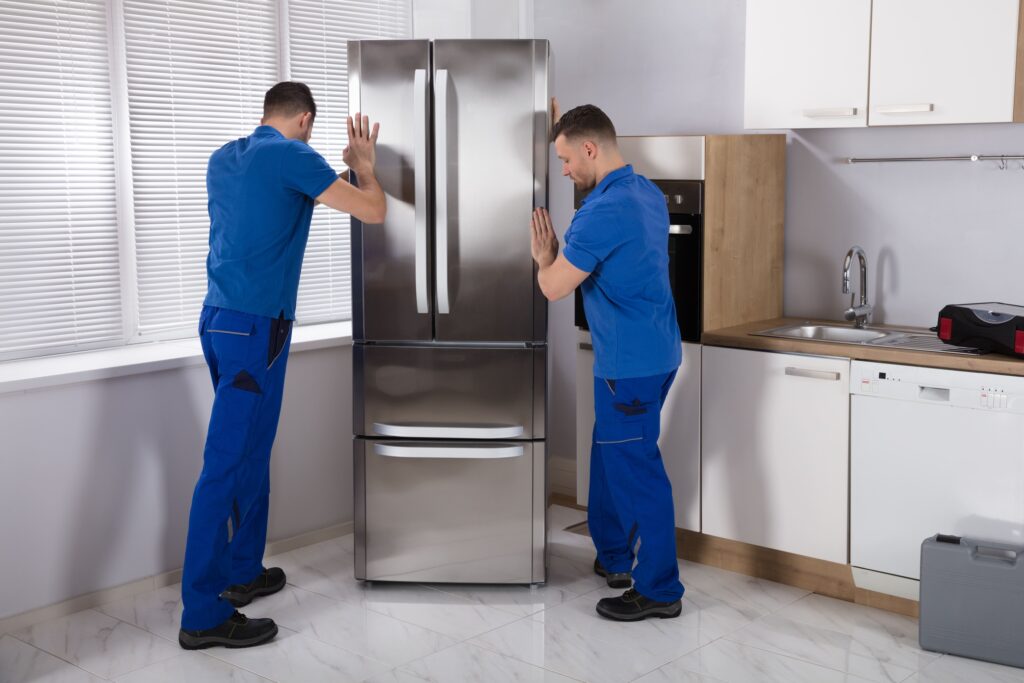
- A refrigerator that isn’t transported upright could suffer compressor damage.
- A television laid flat may develop cracks in its screen.
- A washing machine moved without securing its drum may break during the first cycle after reconnecting.
This is why professional preparation, packing, disassembly, and reconnection play a critical part in a safe move.
How Do You Prepare Electronics for a Move?
Back Up Your Data
Back up files to an external drive or cloud service before disconnecting computers, laptops, or hard drives. This step protects your data if something unexpected happens.
Take Photos Before Unplugging
Snap photos of the back of your TV, sound system, or desktop computer before disconnecting them. This makes reconnecting wires in your new home easier.
Use Original Packaging if Available
Reuse the original boxes and foam inserts if you still have them, since manufacturers design packaging to fit electronics precisely. If not, professional packing services can create custom solutions.
Label All Cords and Accessories
Place cords, chargers, and remotes in labeled bags so they stay together during the move.
How Do You Prepare Appliances for a Move?
Defrost and Clean Your Refrigerator and Freezer
Defrost the refrigerator and freezer at least 24 hours before moving day. Wipe them down to prevent mold and odors.
How Do You Safely Disconnect Water Lines and Gas Connections?
Appliances like dishwashers, washing machines, and gas stoves require careful disconnection. Alliance Relocation Services handles plumbing and gas lines safely to prevent leaks or hazards. Their appliance disconnect and reconnect covers washers, dryers, gas ranges, and refrigerators with ice makers.
How Do You Secure Moving Parts in Appliances?
Washing machines have drums that need securing before moving. Without stabilization, the drum can suffer damage during transport.
Dry and Air Out Appliances
Moisture left inside dishwashers or washing machines can lead to mildew or leaks during the move.
What Is the Role of Professional Third-Party Services?
Many homeowners assume the moving company will handle everything, but movers typically only transport boxes and furniture. They lack training or insurance for specialized tasks like disconnecting appliances or packing fragile electronics.
That’s where Alliance Relocation Services comes in, offering expert disconnection, custom crating, packing, and reinstallation services for families and moving companies across the United States and Canada. Relying on professionals gives you confidence that:
- Appliances are properly disconnected and reconnected.
- Electronics are packed using the right materials.
- Heavy appliances are moved without damaging floors, walls, or the appliance itself.
For more on why trusting professionals matters, read The Importance of Trusting Professionals with Your Appliances During a Move.
What Are Tips for a Smooth Moving Day?
- Schedule disconnection a day before the movers arrive.
- Plan where appliances and entertainment centers will go in the new home.
- Consider custom crating for large TVs, antique electronics, or fragile items like glass-front refrigerators.
- Allow appliances like refrigerators to sit for several hours before plugging them in so internal fluids can settle.
What Mistakes Should You Avoid When Moving Electronics and Appliances?
- Laying TVs flat during transport instead of keeping them upright.
- Skipping drum stabilization kits for washing machines.
- Leaving food in freezers during the move.
- Packing electronics in oversized boxes without padding.
These mistakes can be costly but are preventable with the right approach. For a closer look at the risks of handling appliances alone, see Why DIY Disconnecting Appliances Could Cost You More Than You Think.
Final Thoughts
Moving electronics and appliances doesn’t have to be stressful. With careful preparation and support from third-party moving services, you can protect your most valuable household items from damage. Alliance Relocation Services handles the details, from packing and disassembly to crating and reconnection. You can focus on settling into your new home instead of worrying about a cracked screen or broken refrigerator.
When planning your next move, think beyond boxes and furniture. Protect your investment in electronics and appliances by trusting technicians who know how to handle them safely. Request a quote using the quote form to plan appliance disconnect and reconnect for your move.
Frequently Asked Questions
How far in advance should you prepare electronics and appliances for a move?
Refrigerators and freezers should be defrosted and cleaned at least 24 hours before moving day. Disconnection for appliances and electronics should be scheduled the day before movers arrive.
Can moving companies disconnect appliances?
Most moving companies focus on transporting boxes and furniture and lack training or insurance for appliance disconnection. A third-party moving service handles this specialized work.
Why should TVs stay upright during a move?
A television laid flat during transport may develop cracks in its screen. Keeping TVs upright helps protect the screen from damage.
What happens if a washing machine drum isn’t secured before a move?
A washing machine moved without securing its drum may break during the first cycle after reconnecting. Stabilization kits help prevent this damage.
How long should you wait before plugging in a refrigerator after a move?
Allow refrigerators to sit for several hours before plugging them in. This gives internal fluids time to settle after transport.