
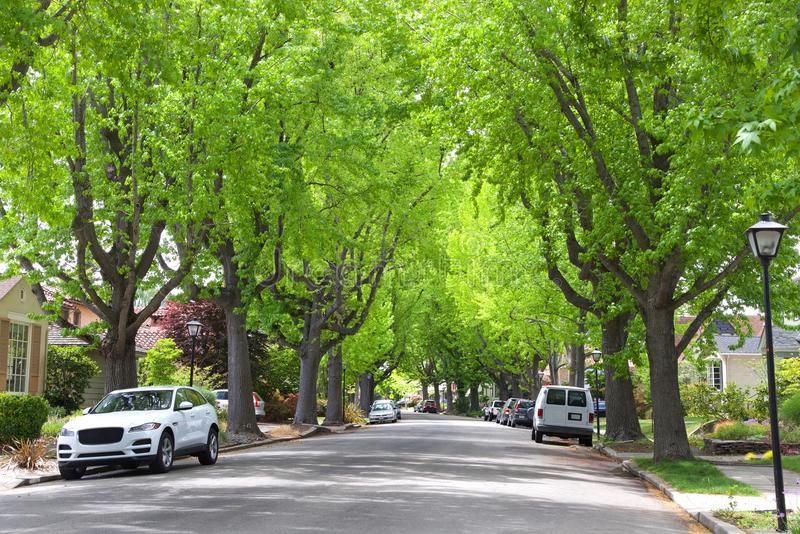
Choosing a neighborhood means comparing schools, safety records, commute options, local amenities and real estate trends before you settle on a home. The right neighborhood shapes your daily routine as much as the house itself. These factors help you match a location to your family’s needs and budget.
How Do You Research Schools When Choosing a Neighborhood?
Check test scores, graduation rates and student-teacher ratios for schools near a neighborhood you like. These numbers show how well local schools support students.
Visit schools in person if you can. Talk with teachers, staff and parents to get a feel for the school culture and the opportunities offered there.
How Do You Check Crime Rates in a Neighborhood?
Safety ranks among the top concerns when picking a new neighborhood. Check the local police department’s website or other online resources for crime statistics.
Look at the types of crimes reported, how often they happen and the general safety level of the area. These details show the types of crime and how often they occur in the area.
What Local Amenities Should You Evaluate?
Local amenities shape daily life in a neighborhood as much as the house does. Research nearby parks, shopping centers and restaurants to see what the area offers.
Look for a mix of amenities that match your lifestyle, whether that means outdoor recreation, cultural activities or a lively downtown scene.
How Does Commute Time Affect Your Neighborhood Choice?
Commute time to work, school and other regular activities matters when choosing a neighborhood. Research public transportation, roadways and bike paths to understand how you’ll get around.
Favor neighborhoods near your workplace or school with easy access to the places you visit often.
How Do You Get to Know the Neighbors?
Once you narrow a list of neighborhoods, start exploring them in person. Drive or walk through the area and talk with the people who live there.
Ask neighbors about their experience in the area, along with what they like and dislike. Their answers give valuable insight into the community.
What Should You Look at in the Local Real Estate Market?
Review home values, property taxes and the availability of rental properties in a neighborhood. These numbers show what it costs to live there now and over time.
Consider the cost of living, current market trends and overall affordability. Together, these factors show whether a neighborhood fits your budget for the long term.
How Do You Put These Factors Together?
Research schools, check crime rates, evaluate amenities, weigh the commute, talk with neighbors and review the real estate market as one combined picture. Together, these steps help you match a home to your family’s needs.
If you’re moving with children, see Moving with Kids: How to Make Relocation Family-Friendly.
Once you pick a neighborhood and start packing, fragile or valuable pieces need extra care. Read Choosing the Right Packing and Crating Company for Your Move: Factors to Consider before you book help.
Alliance Relocation Services handles crating, furniture disassembly and reassembly, appliance disconnect and reconnect, and unpacking for moves across the United States and Canada. See Alliance’s specialty moving services to plan the move itself.
Request a moving quote once your new neighborhood and moving date are set.
Frequently Asked Questions
What is the most important factor when choosing a neighborhood?
Priorities vary by family, so there’s no single top factor for everyone. Schools, crime rates, amenities, commute time, neighbors and the real estate market are factors to weigh.
How many neighborhoods should I compare before deciding?
Comparing several neighborhoods side by side gives you a clearer basis for weighing schools, safety, amenities, commute and cost.
How can I get to know a neighborhood in person?
Yes. Drive or walk through the area and talk with the people who live there. Visiting in person gives a fuller picture of daily life in the area.
Is rental availability part of researching the real estate market?
Yes. The availability of rental properties is one of the real estate facts to research in a neighborhood.