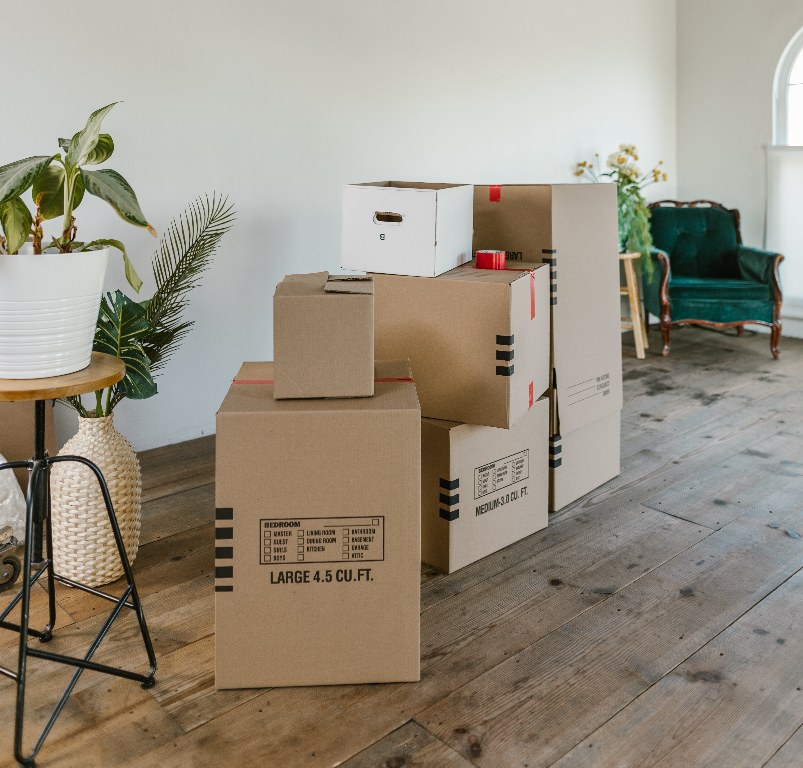

Avoiding injuries during a move means using the right equipment, packing boxes safely, and checking your home for hazards before moving day. These steps matter even if professional movers handle the heavy lifting, since trip hazards and heavy boxes can still cause injuries.
What Equipment Helps Prevent Injuries When Moving?
The right moving equipment lowers the risk of back strain when lifting heavy or bulky items. A dolly or furniture skis make it easier to move couches, dining cabinets, and other large pieces. Straps secure stacked boxes and furniture to the dolly, or help with carrying larger items.
Alliance Relocation Services also disassembles and reassembles furniture, including beds, desks, and gym equipment. Check Alliance’s specialty moving services for the complete list of options.
How Do You Spot Danger Spots Before Moving Day?
Check your old and new home for hazards before moving day arrives. Cracks in the sidewalk or walkway count as common trip risks. Steps up to the front door are easier to see when marked with sidewalk chalk.
Poles, posts, low-hanging tree branches, and self-closing gates can also cause injuries. Mark these with brightly colored ties, or remove the obstacles when possible. For more outdoor safety steps, see 10 Moving Day Safety Tips.
What Is a Safe Box Weight for Moving?
Moving boxes should weigh under 50 pounds so you can lift them without strain. Try lifting a packed box to check its weight, or keep a bathroom scale nearby to weigh it directly.
Think about whether a box needs to travel up or down stairs. A few extra trips with lighter boxes beat a fall on a loaded staircase. Lift with bent knees and your lower body strength, and keep your back straight instead of bending from the waist.
What Are the Best Moving Day Safety Tips?
- Keep high-traffic areas clear of boxes and other obstacles. Separate heavier boxes from lighter ones packed with fragile items.
- Seal parts from disassembled items in plastic bags, and tape them tightly to the matching piece of furniture.
- Give helpers specific roles if friends and family are assisting rather than professional movers. Assembly lines work well, with one or two people loading the truck as boxes and furniture arrive.
- Wear supportive, durable shoes with good grip, and skip open-toed shoes or sandals. Avoid loose sleeves or shirttails that could get caught.
- Arrange a sitter for young children, and set up a closed room with towels and familiar items for pets during the move.
- Keep an emergency kit on hand with bandages, aspirin, and antibiotic ointment for scrapes and blisters.
A good sense of humor helps the day go smoother too. For a full day-of safety checklist, see Avoiding Injuries on Moving Day.
Alliance Relocation Services provides specialty support across the United States and Canada, including furniture disassembly and reassembly. Request a quote through Alliance’s quote form before your move date.
Frequently Asked Questions
How much should a moving box weigh?
Keep boxes under 50 pounds. Lift a packed box to test it, or weigh it on a bathroom scale before moving day.
What should I use to move heavy furniture?
A dolly or furniture skis make heavy pieces like couches and cabinets easier to move. Straps keep stacked boxes and furniture secure during transport.
How can I spot hazards before moving day?
Walk through your old and new home and look for cracks, steps, poles, and low-hanging branches. Mark these spots with bright ties or sidewalk chalk, or remove them when possible.
What should I wear on moving day?
Wear supportive, durable shoes with good grip, and avoid open-toed shoes or loose clothing that could get caught on furniture or boxes.
Who can help with heavy lifting during a move?
The moving company loads and drives the truck. Alliance technicians handle specialty work such as furniture disassembly and reassembly across the United States and Canada.