Movers can’t transport hazardous materials, perishable food, living things, and high-value personal items. These limits come from federal and state regulations, insurance rules, and safety concerns inside a closed truck. Knowing what to leave off the moving truck ahead of time helps you avoid delays, disputes, and last-minute stress on moving day.
Why Do Movers Restrict Certain Items?
Moving companies don’t create “do not pack” lists arbitrarily. Restrictions come from federal and state regulations, insurance rules, and years of experience with damage and liability claims.
Hazardous materials can ignite, leak, or explode inside a moving truck. High-value personal items raise theft and insurance concerns. Perishables and living things can’t survive the trip safely, and household products can turn dangerous when jostled, frozen, or exposed to heat.
For a fuller rundown of non-allowable items, see our guide on what not to move. Knowing the rules ahead of time puts you in control and avoids unpleasant surprises.
What Hazardous and Flammable Items Can’t Movers Transport?
This category is non-negotiable. Federal and state rules stop movers from transporting hazardous materials because of the danger they create during transit.
Even small quantities can cause problems inside a closed truck. Fumes can build up, containers can rupture, and fire risk climbs when a truck travels long distances or meets temperature swings.
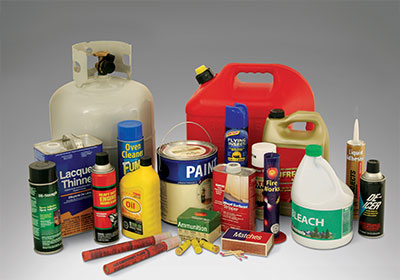
Items that should never go on a moving truck:
- Gasoline, propane tanks, kerosene, lighter fluid, and other fuels
- Fireworks, ammunition, gunpowder, and explosives
- Paint, paint thinners, varnish, stains, and strong solvents
- Aerosol cans, including spray paint, hairspray, and cleaning sprays
- Pool chemicals, fertilizers, pesticides, and weed killers
Use these items up, dispose of them safely under local rules, or transport them yourself in line with safety laws. Garage items like fuel-powered tools often fall into this category too, so our guide to packing a garage for a move walks through how to handle them. Sneaking restricted items onto a truck puts the whole move at risk, along with everyone involved.
What Perishable, Living, and Temperature-Sensitive Items Should You Leave Behind?
Moving trucks aren’t climate-controlled spaces for living cargo or food safety. Items that spoil, wilt, melt, or freeze easily shouldn’t go in a professional move.
Even short moves can expose belongings to hours of temperature swings, delays, or unexpected stops. Longer moves raise these risks further.
Food contamination, plant damage, and animal distress create real problems, including health hazards and cleanup issues inside the truck.
This category includes:
- Perishable food, whether fresh, frozen, refrigerated, or opened
- Houseplants, seeds, and soil
- Pets, fish, reptiles, birds, and insects
- Medical supplies that need refrigeration or strict temperature control
Plants and pets should travel with you or stay with someone temporarily. Eat, donate, or toss food before moving day. For medications or medical devices, talk with your healthcare provider and carry them with you at all times.
Which High-Value and Irreplaceable Items Should You Carry Yourself?
Movers are trained professionals, but no moving company can guarantee zero risk. Items of extraordinary personal, financial, or emotional value should stay in your possession at all times.
Insurance policies typically cap reimbursement amounts, and some items may be excluded entirely. Compensation can’t replace an irreplaceable item once it’s lost or damaged.
Movers strongly advise clients to personally transport:
- Cash, coins, and financial instruments
- Jewelry, watches, and precious metals
- Passports, birth certificates, legal documents, and records
- Family heirlooms, photographs, and sentimental keepsakes
- Laptops, tablets, external drives, and sensitive data storage
Treat these items the way you would when traveling. Pack them in a secure bag or lockbox that stays with you from door to door.
Fragile or oversized valuables, such as fine art, antiques, and chandeliers, follow a different path. Alliance Relocation Services builds custom crating and specialty moving services for these pieces across the United States and Canada, while your moving company handles the loading and driving.
Can Movers Transport Firearms and Weapons?
Rules around firearms and weapons vary by state and municipality, and most movers avoid transporting them because of legal and liability concerns.
Even when ownership is lawful, checking compliance across jurisdictions falls outside a mover’s job. Most professional movers will decline to transport firearms, weapon components, or related accessories.
If you have firearms or regulated items, research local and destination laws carefully. Transport them according to legal requirements, or use a licensed specialty service.
What Items Are Allowed but Still a Bad Idea to Pack?
Some belongings face no formal ban, yet they still carry enough risk that movers recommend against packing them. You may choose to pack these items, though doing so raises the chance of damage or complications.
Examples include:
- Candles, wax products, and cosmetics that melt or lose shape
- Pressurized items that may leak or burst
- Open containers of cleaning products or toiletries
- Fragile hobby materials such as resin, clay, or chemicals
Pack these items with care, and keep in mind that damage might not be covered.
Why Do Movers Enforce These Rules So Strictly?
Clients sometimes assume these restrictions exist for convenience, but the rules protect everyone involved, including you.
A single leaking container can ruin an entire shipment. One missed aerosol can create a fire hazard. A lost document can create legal headaches that outweigh the hassle of carrying it yourself.
Movers enforce these rules because they’ve seen what happens when people ignore them.
How Can You Prepare So Restricted Items Don’t Disrupt Your Move?
Early planning makes the difference. Weeks before your move, walk through your home and flag anything that doesn’t belong on a moving truck.
Set up a “do not pack” area where restricted items stay separated and visible. Dispose of hazardous materials safely, arrange plant transport separately, and pack a personal essentials bag for valuables and documents.
Clear communication with your moving company lines up expectations before loading day. For more tips on getting ready, see our guide to preparing for professional packers.
Smart Packing Prevents Move-Day Chaos
Knowing what to leave behind matters as much as knowing how to pack. Ignoring restrictions often leads to frustration, delays, and stress. Planning ahead keeps a move cleaner, faster, and safer.
Movers aren’t being difficult when they decline certain items. They protect your belongings, your home, and everyone involved in the process.
A smooth relocation starts with informed choices. Handling restricted items responsibly sets up a move that feels controlled instead of chaotic.
Ready to book the specialty work your move needs? Get your quote to get started.
Frequently Asked Questions
Why can’t movers transport firearms?
Firearm laws vary by state and municipality, and checking compliance across jurisdictions falls outside a mover’s job. Most movers decline to transport firearms, weapon components, or related accessories.
What should I do with pool chemicals and fertilizer before a move?
Use them up, dispose of them safely under local rules, or transport them yourself according to safety laws. Movers won’t load these items on the truck.
Can I pack items like candles or cosmetics that might melt?
Yes, these items face no formal ban. Packing them raises the chance of damage, though, and that damage might not be covered.
How should I handle medications that need refrigeration?
Talk with your healthcare provider about medications or medical devices that need strict temperature control. Carry these items with you at all times instead of packing them on the truck.